Europe 2025
Some food shoutouts:
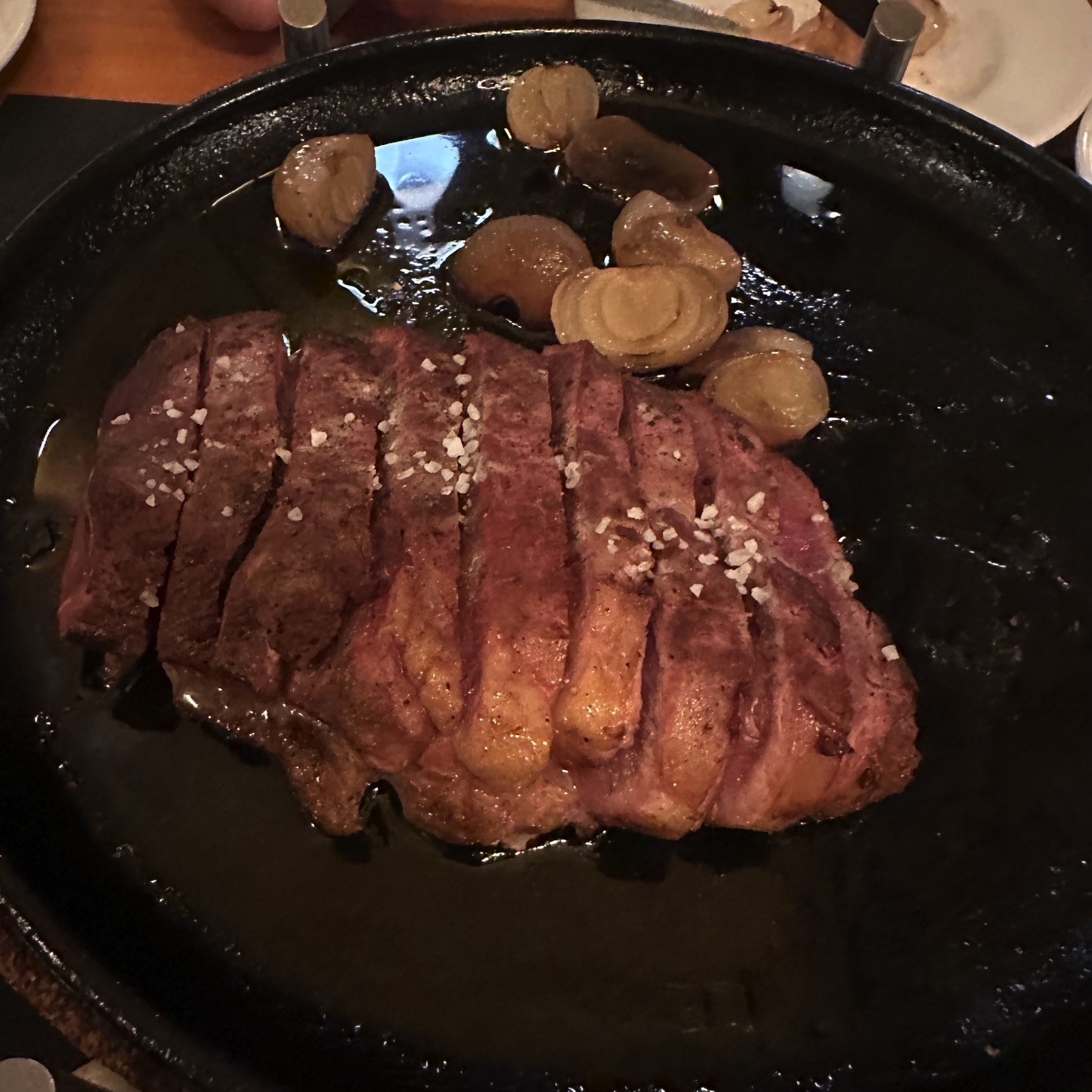
- Taberna Tempranillo (1): amazing duck.
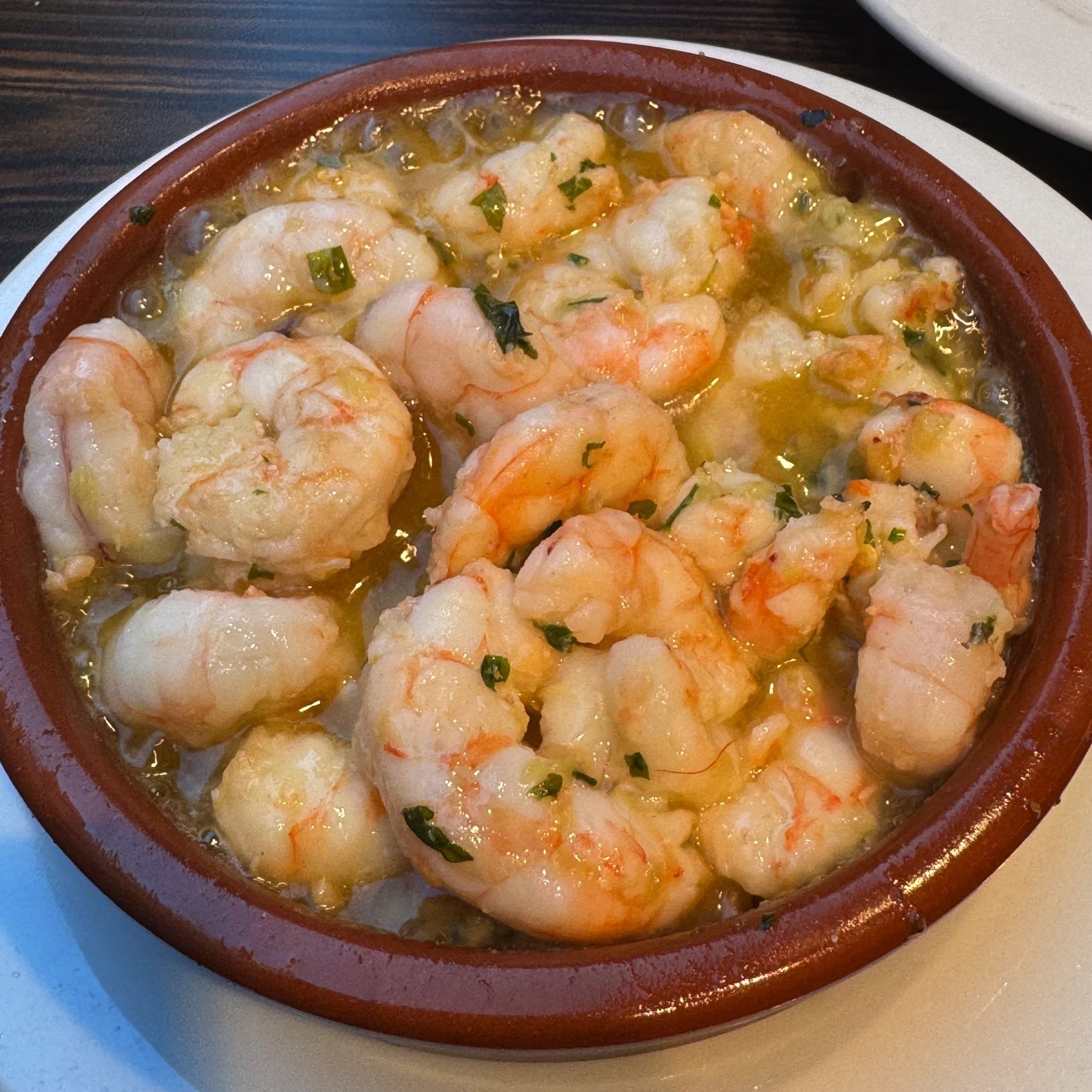
- Casa del Abuelo (2): fun waiter and amazing garlic shrimp.
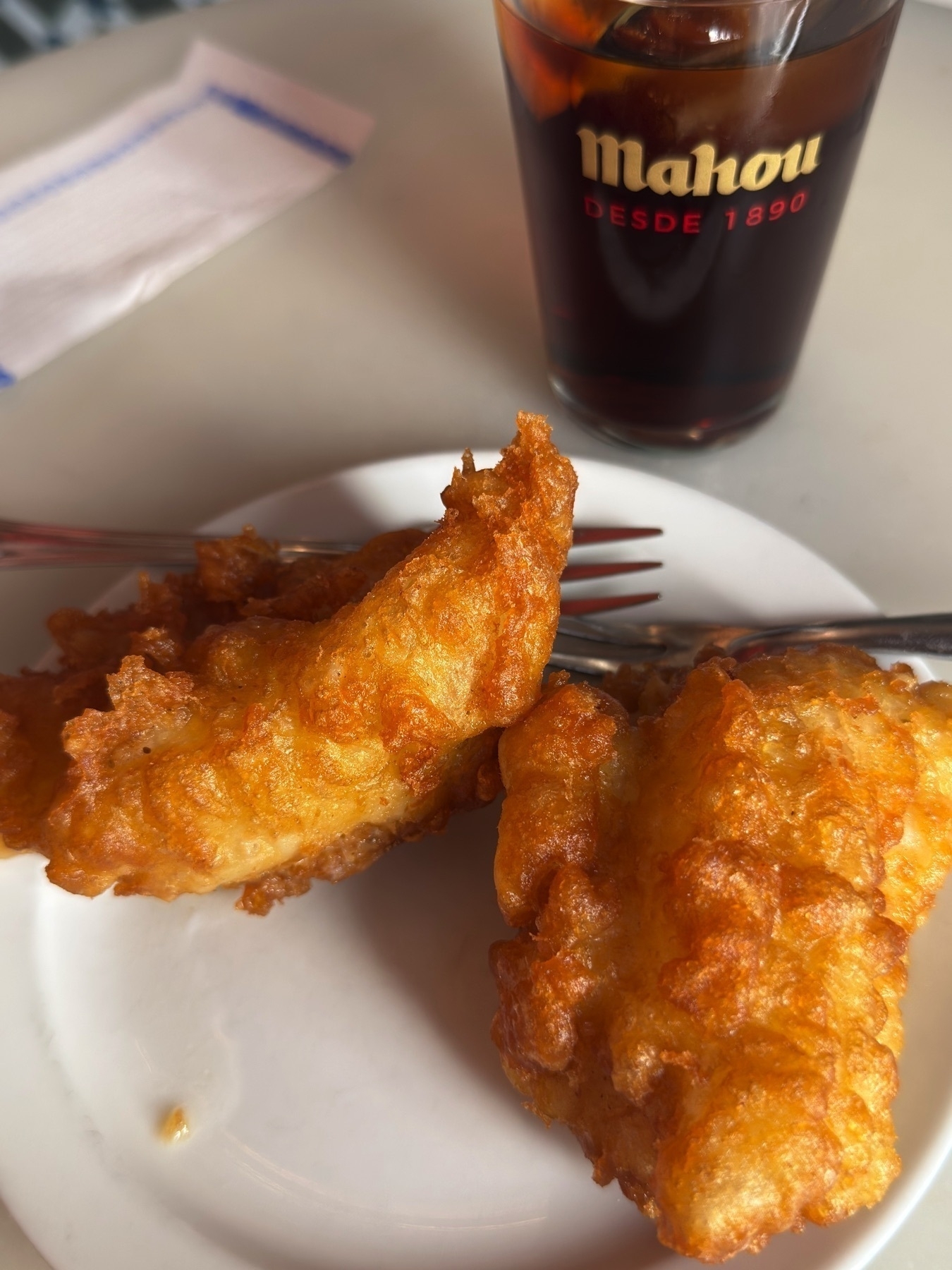
- Casa Revuelta (3): delicious fried cod.
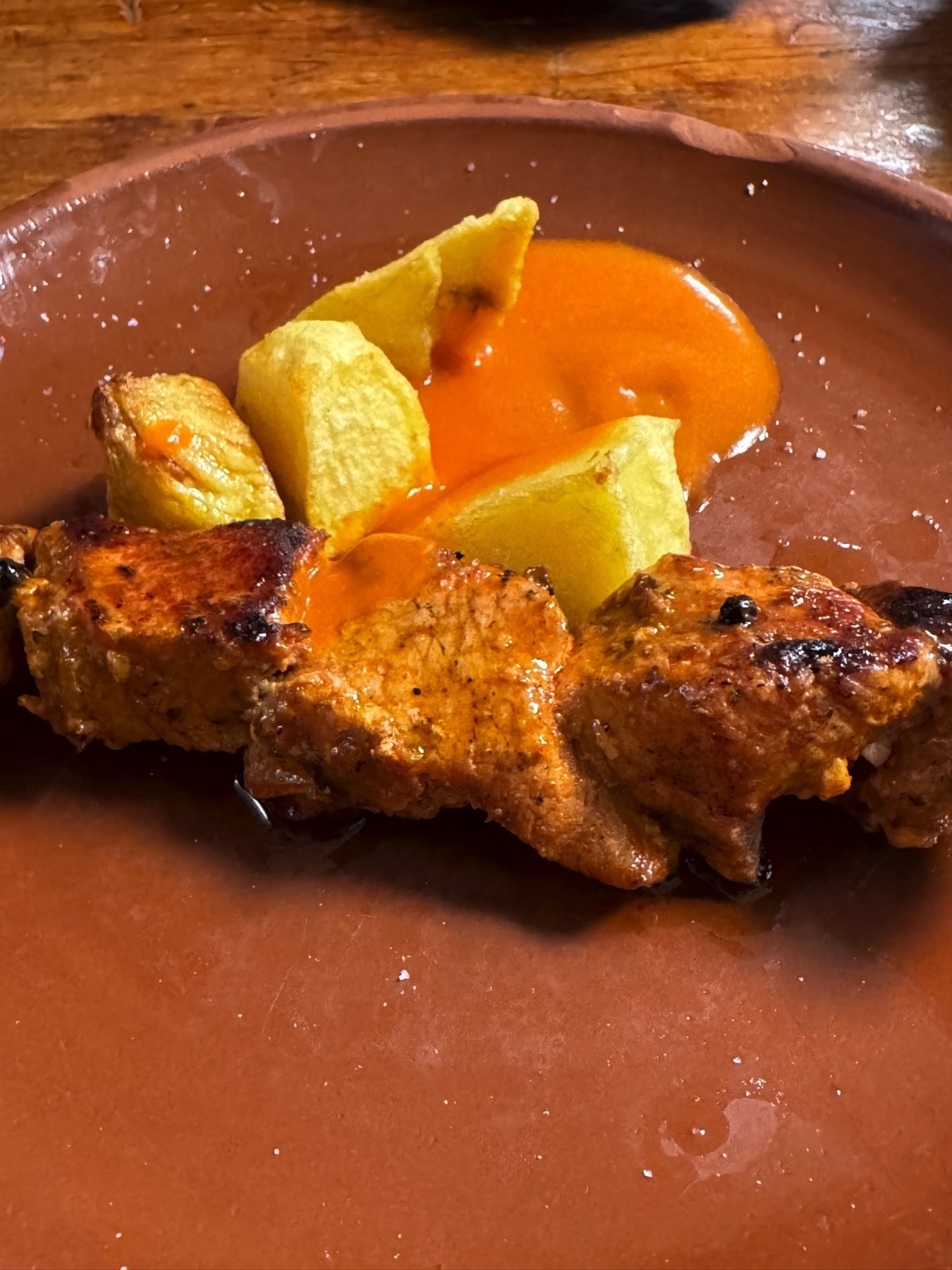
- Casa Toni (4): great skewers.
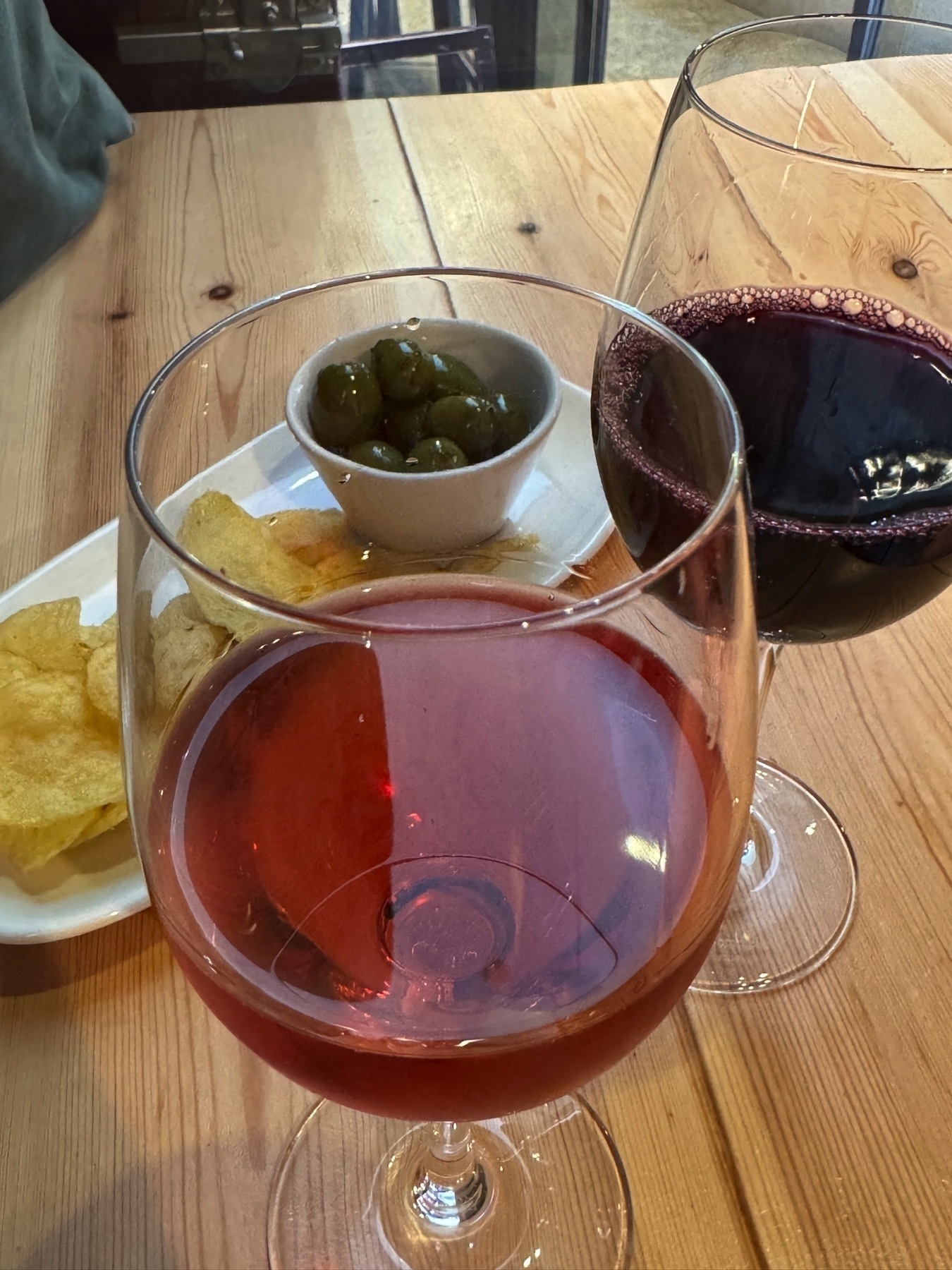
- Restaurante Posada del Dragón (5): loved Calle Cava Baja in general.
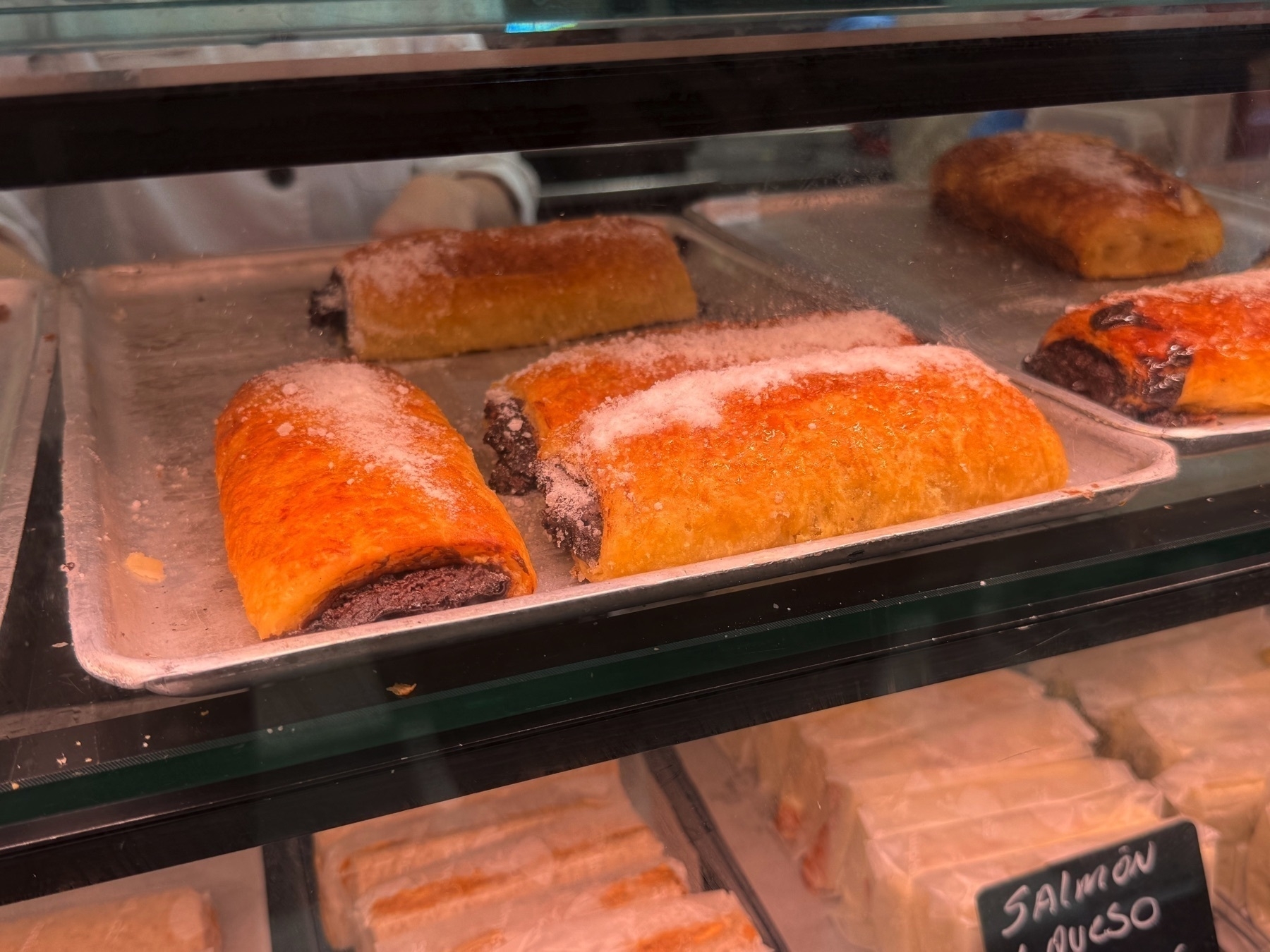
- La Mallorquina (6): fantastic pastries.
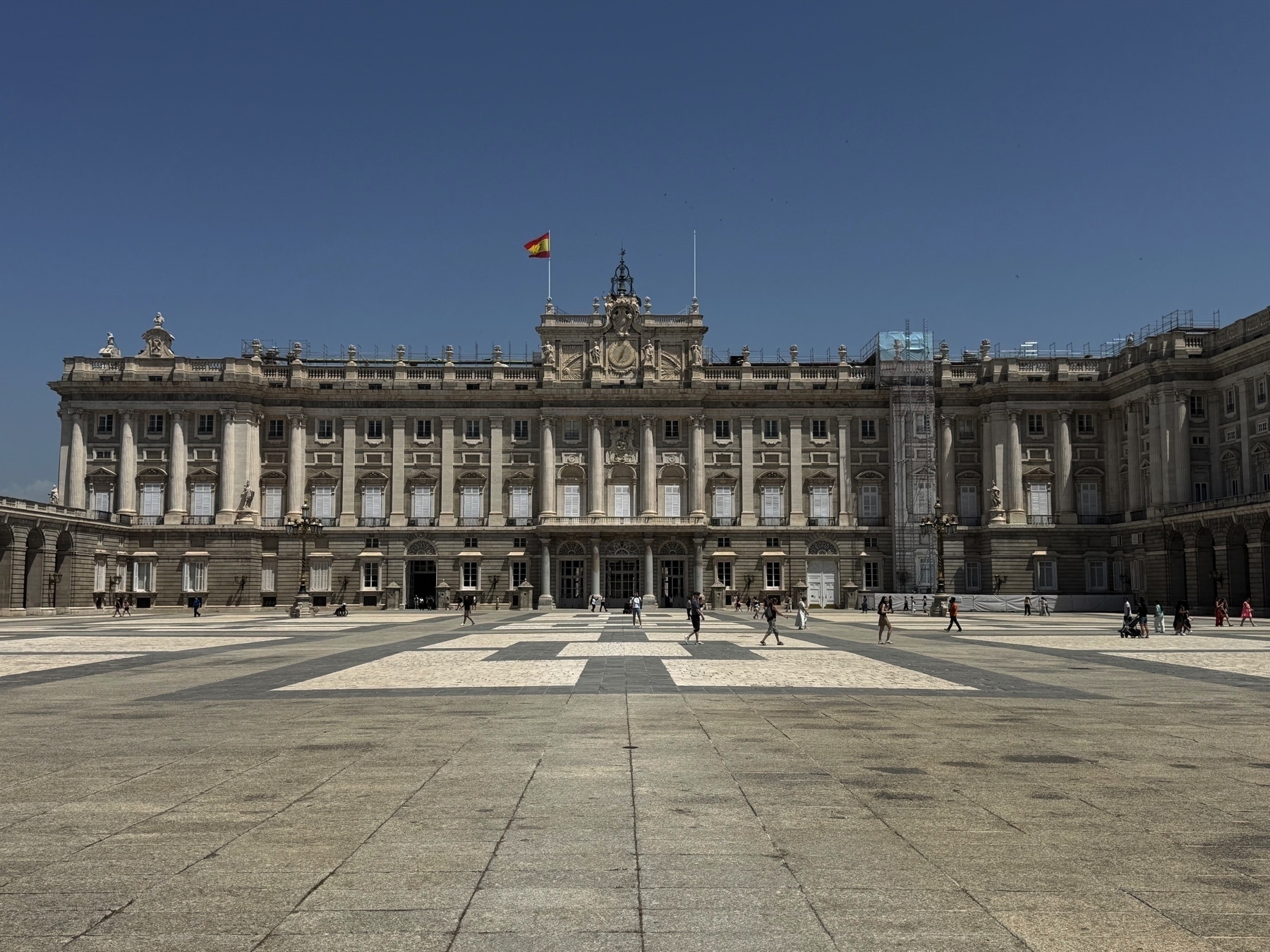
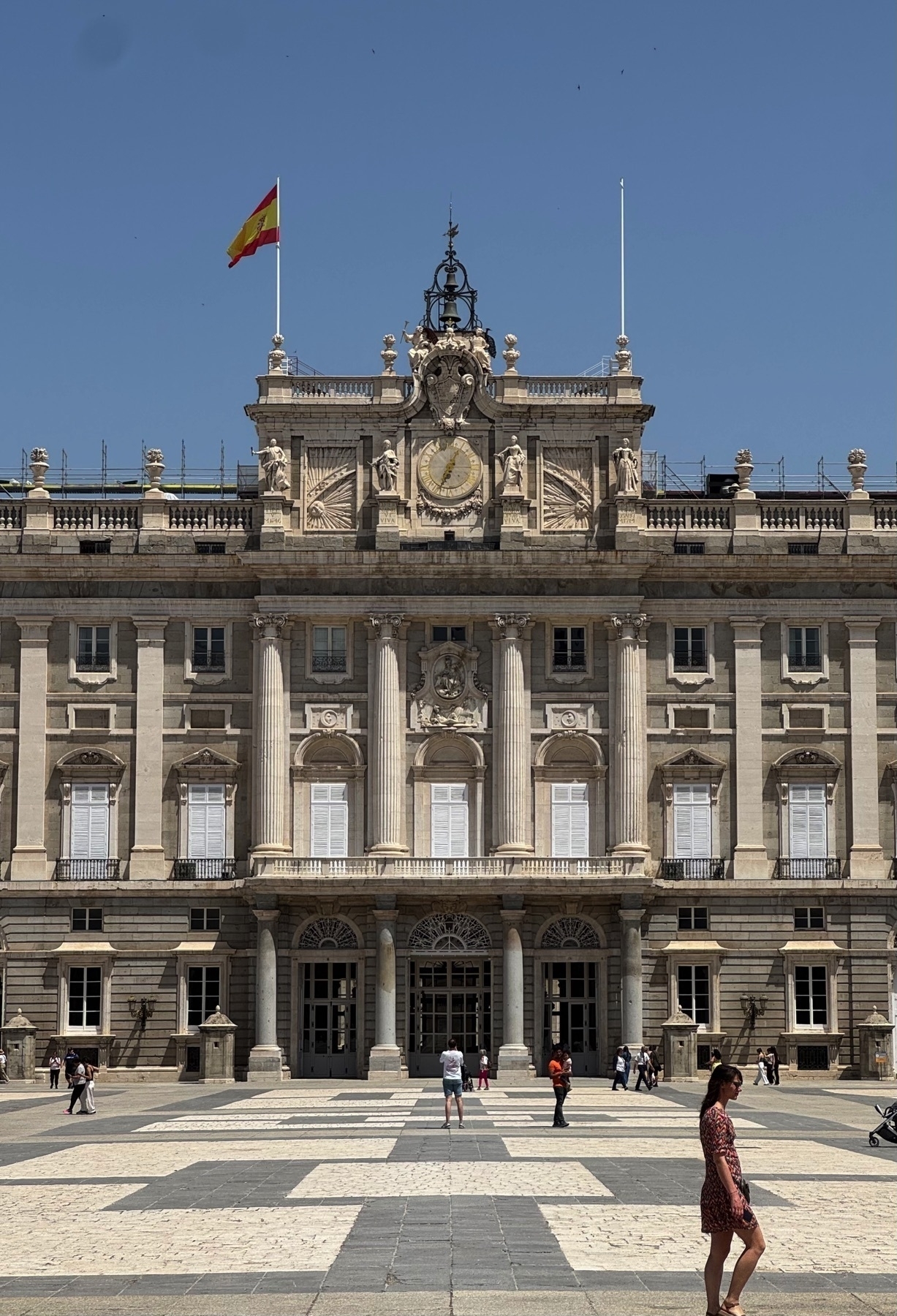
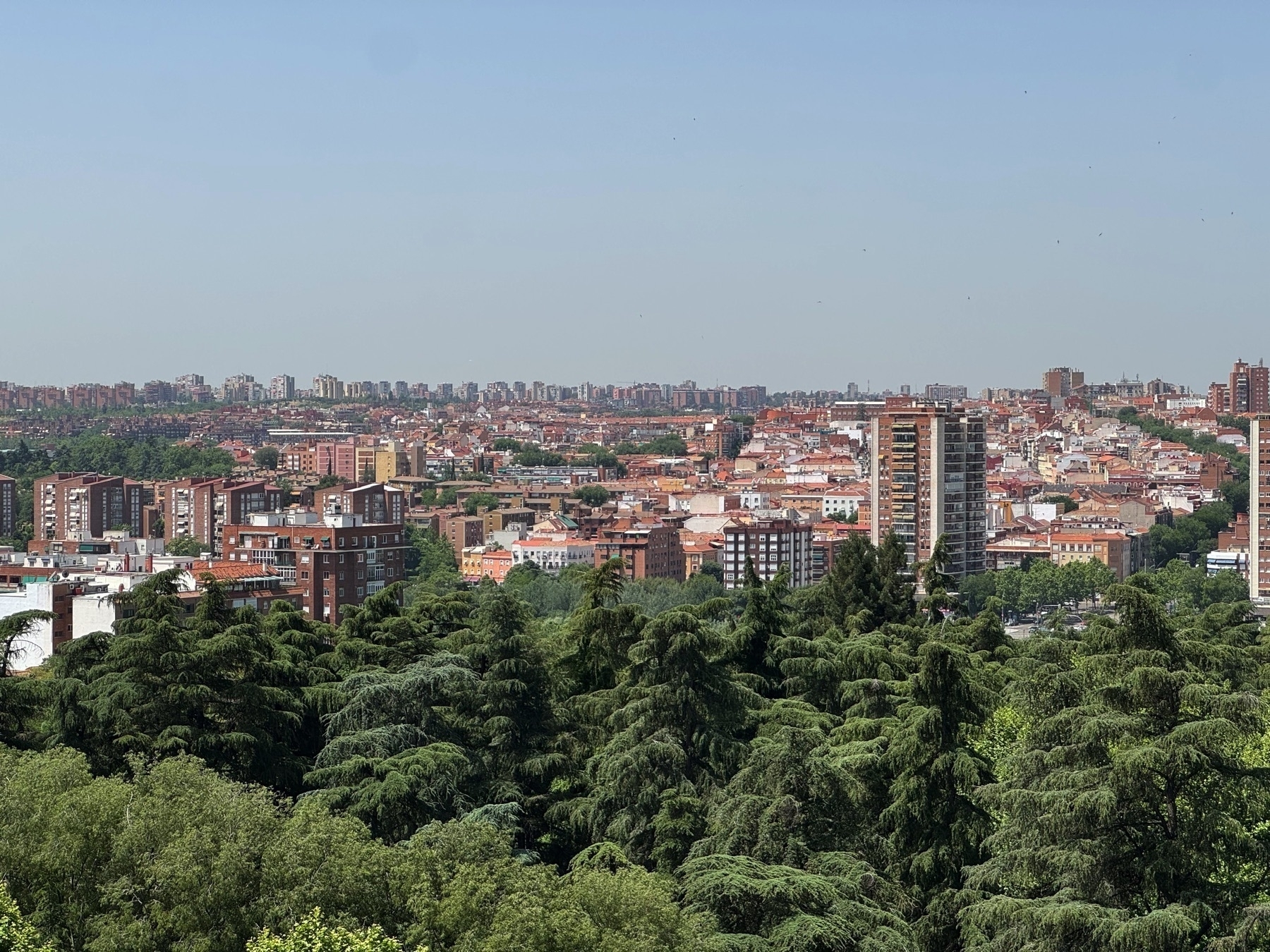
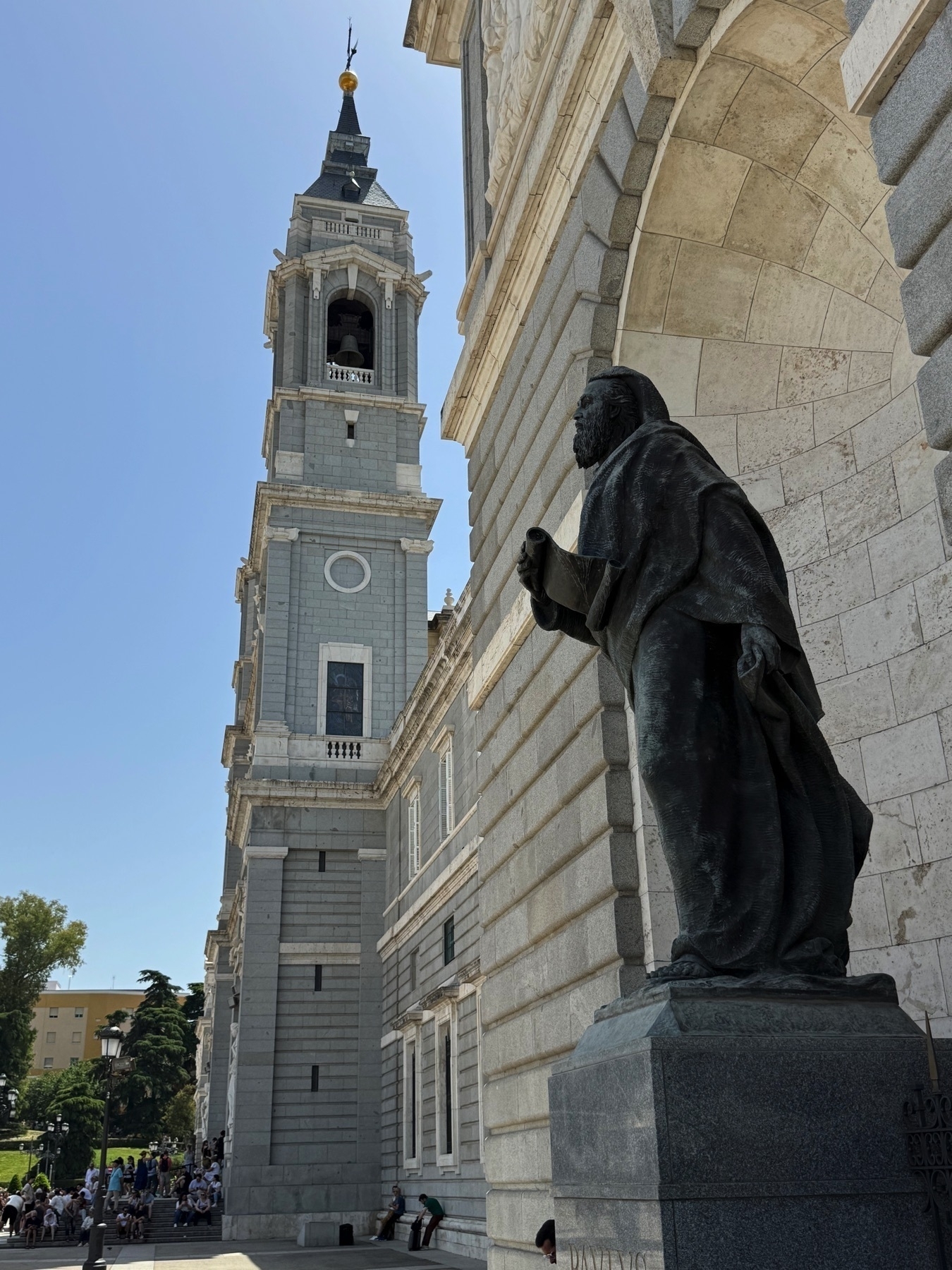
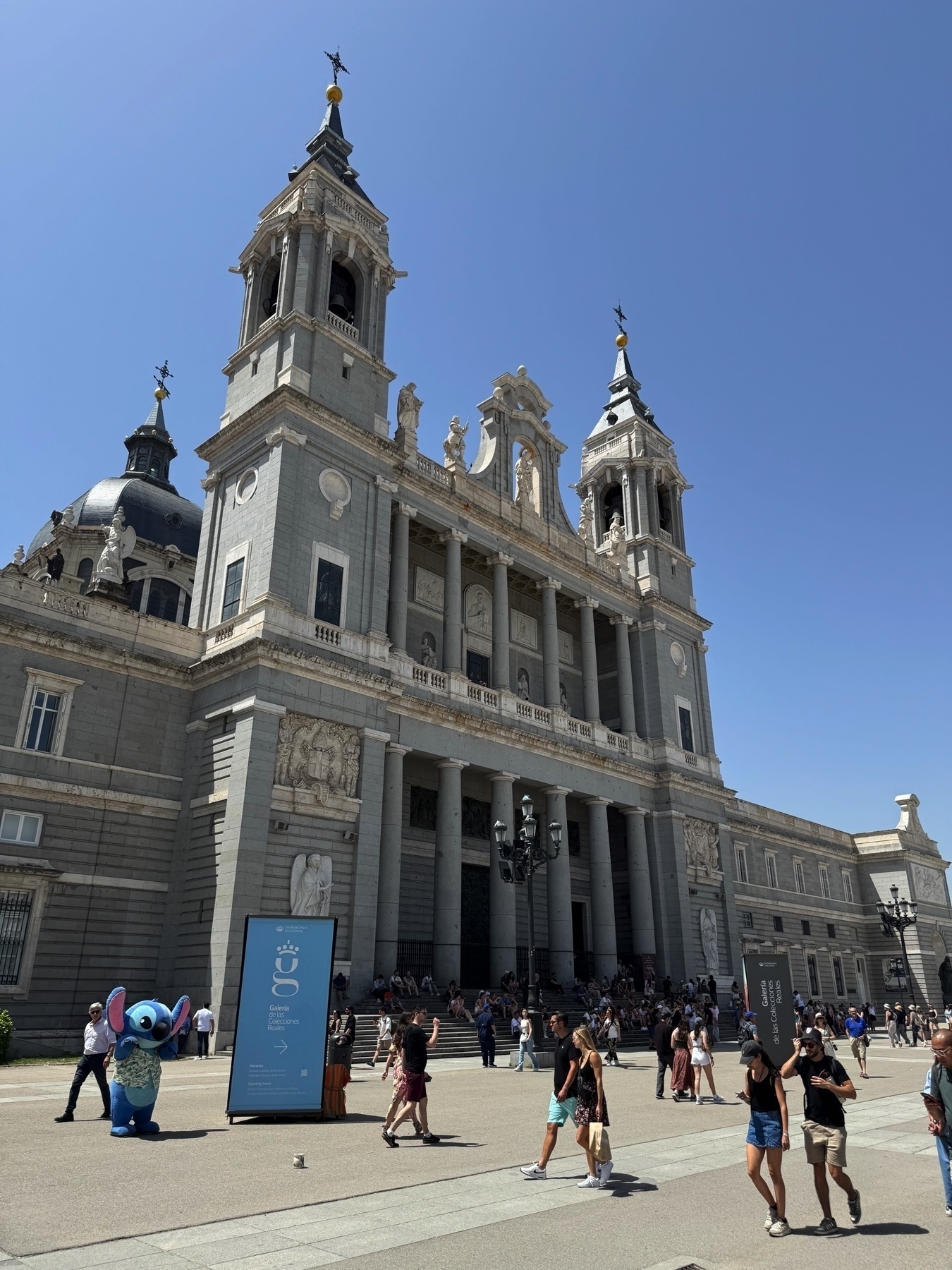
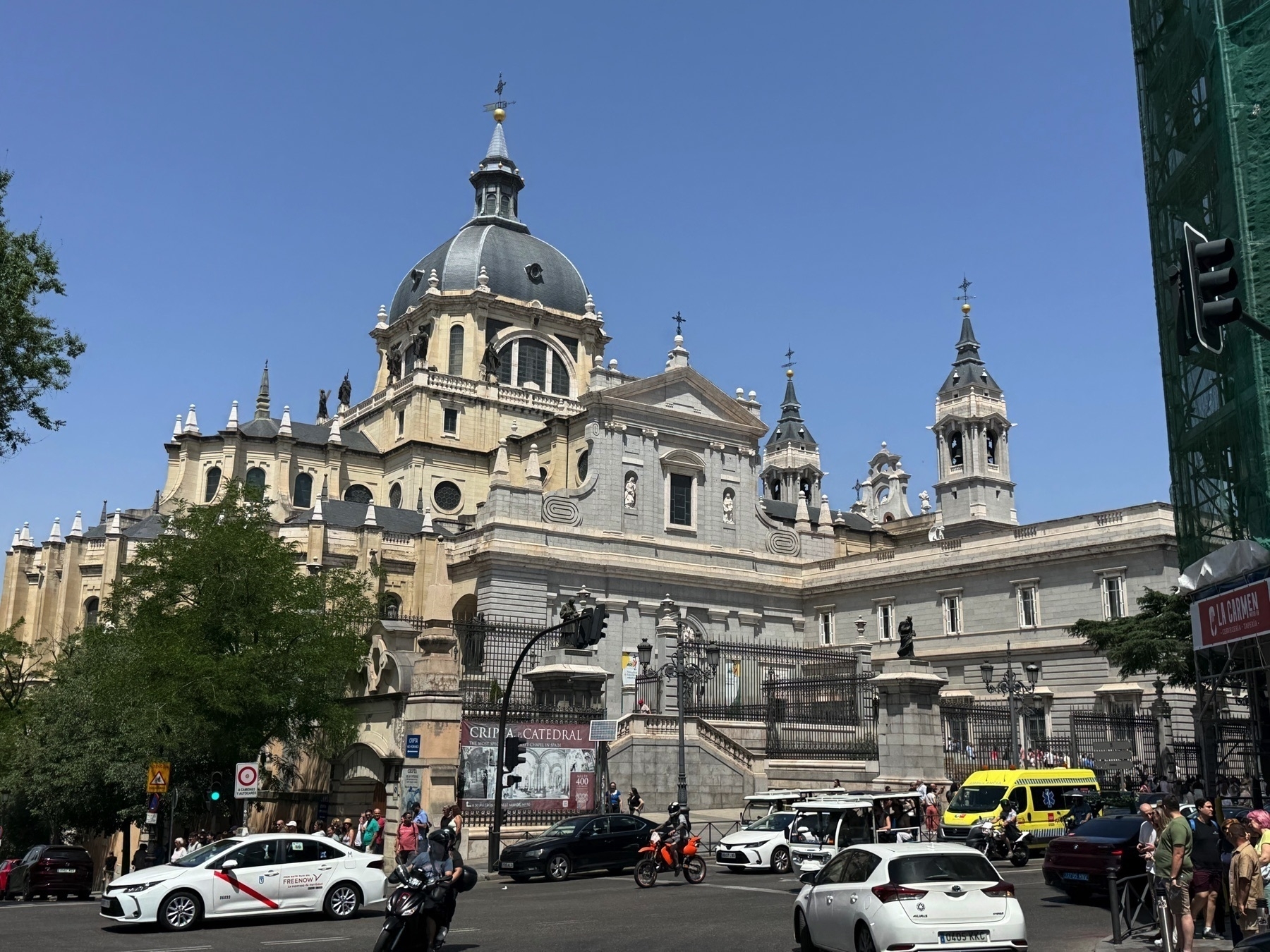
Hugo got a chance to go into the Royal Palace on a tour; unfortunately I wasn’t feeling great that afternoon, so the next morning we walked around the palace (and the Almudena Cathedral) a bit to see the outside of both and the beautiful sights over parts of the city we never ventured into.
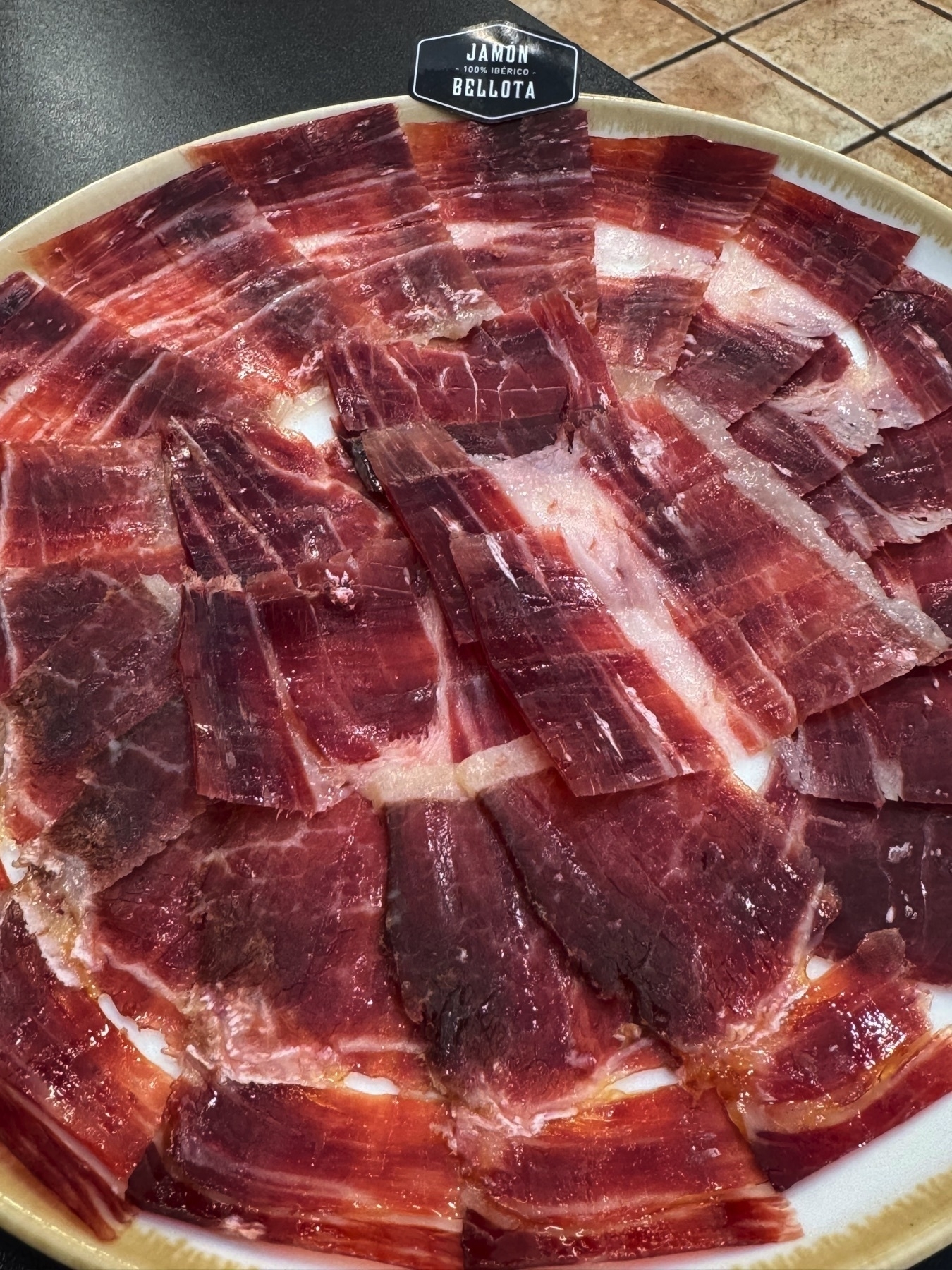
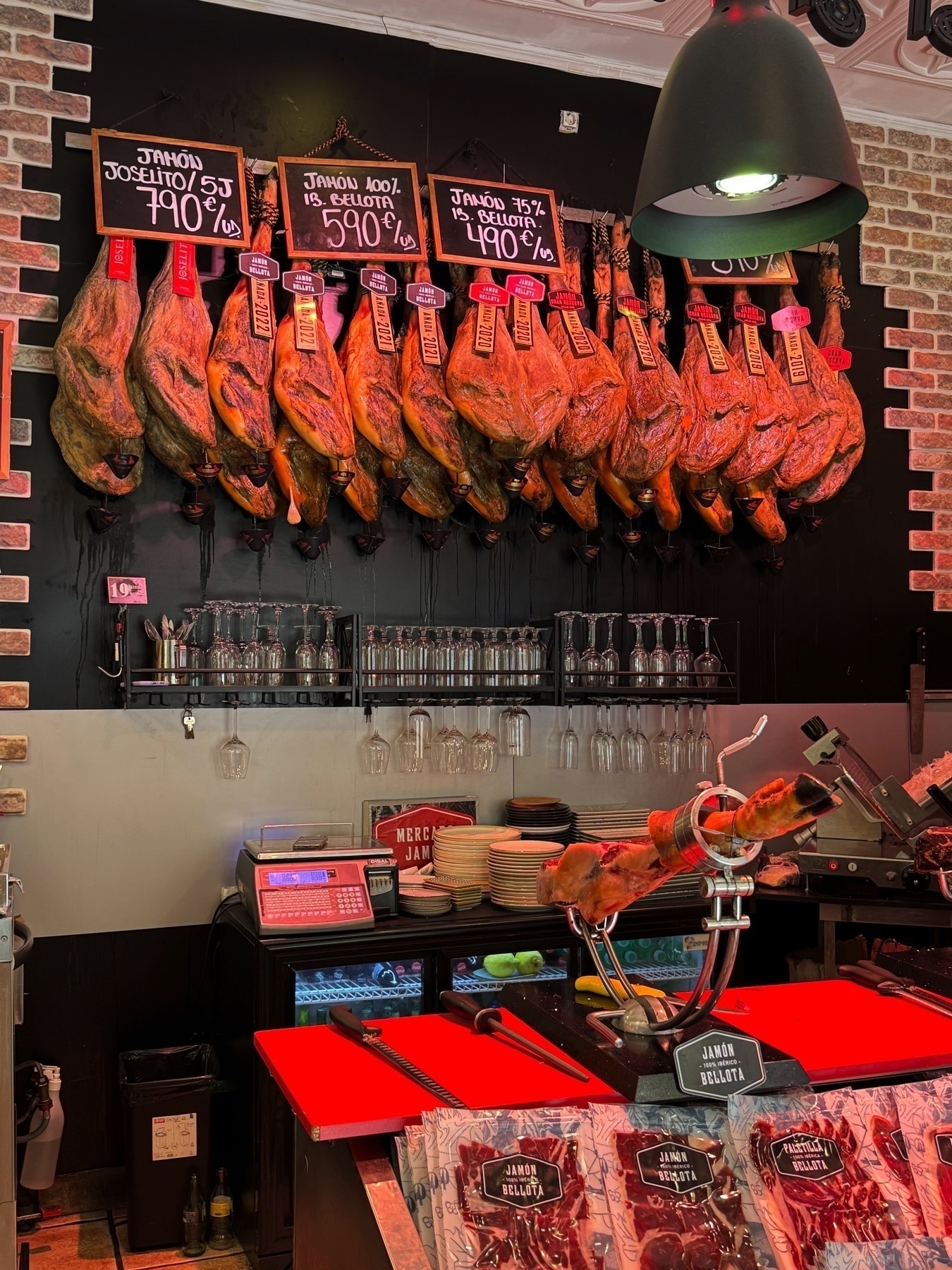
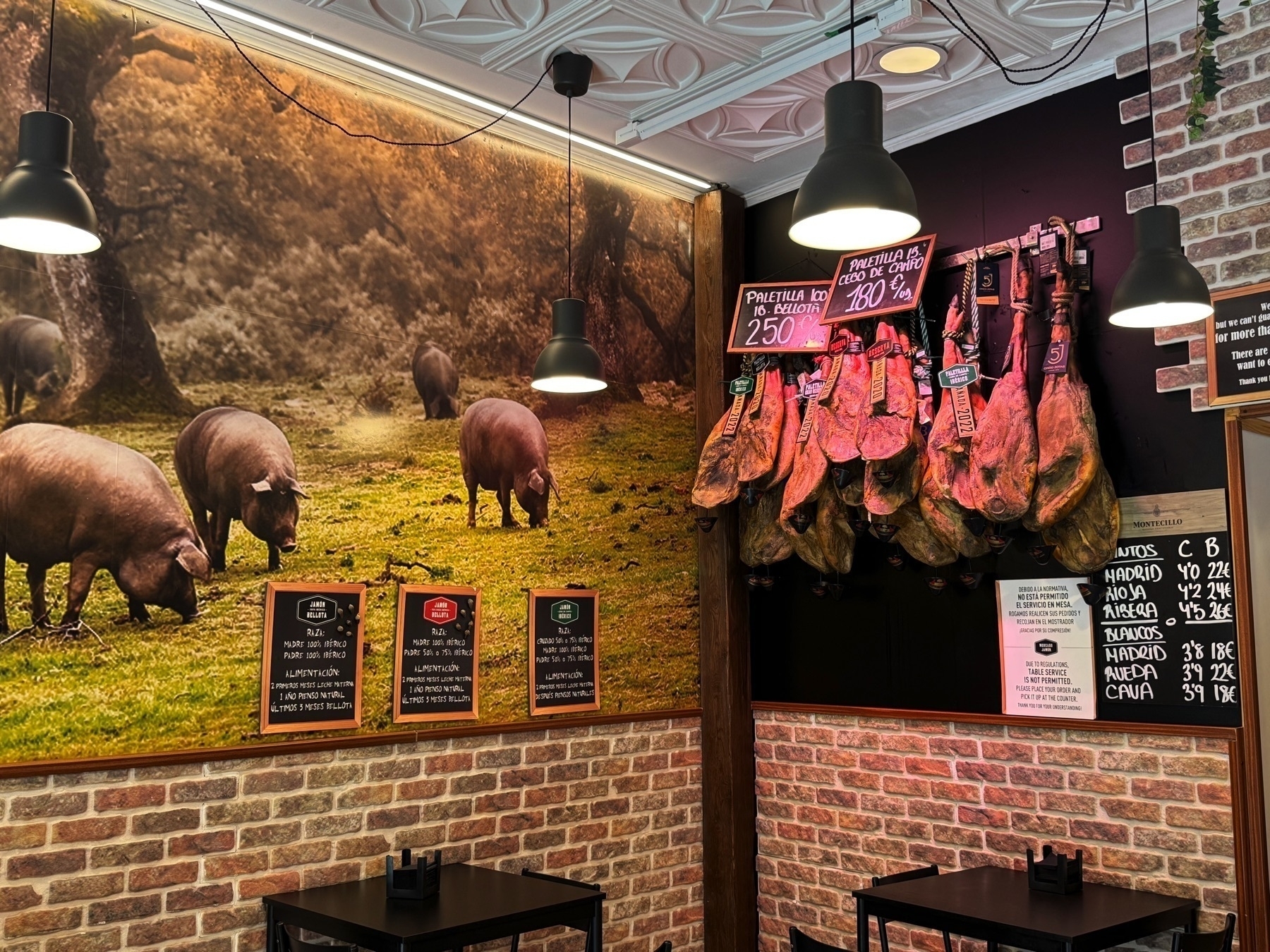
We popped into Mercado Jamón Ibérico for our last jamón 100% ibérico de bellota tasting.
As much as I’m not a huge pork-product person at home, I want to find it near Long Beach for a special treat a couple times a year.
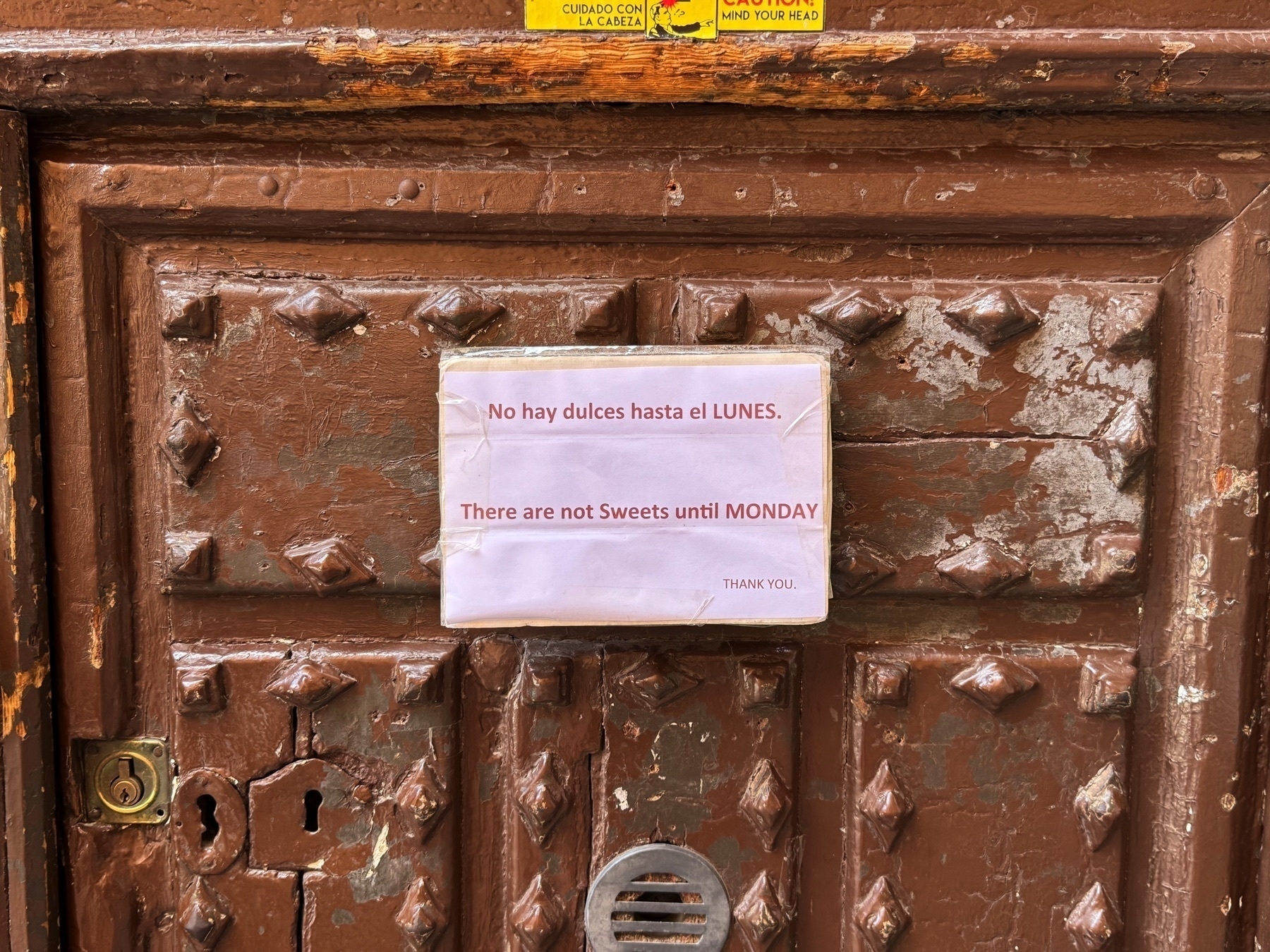
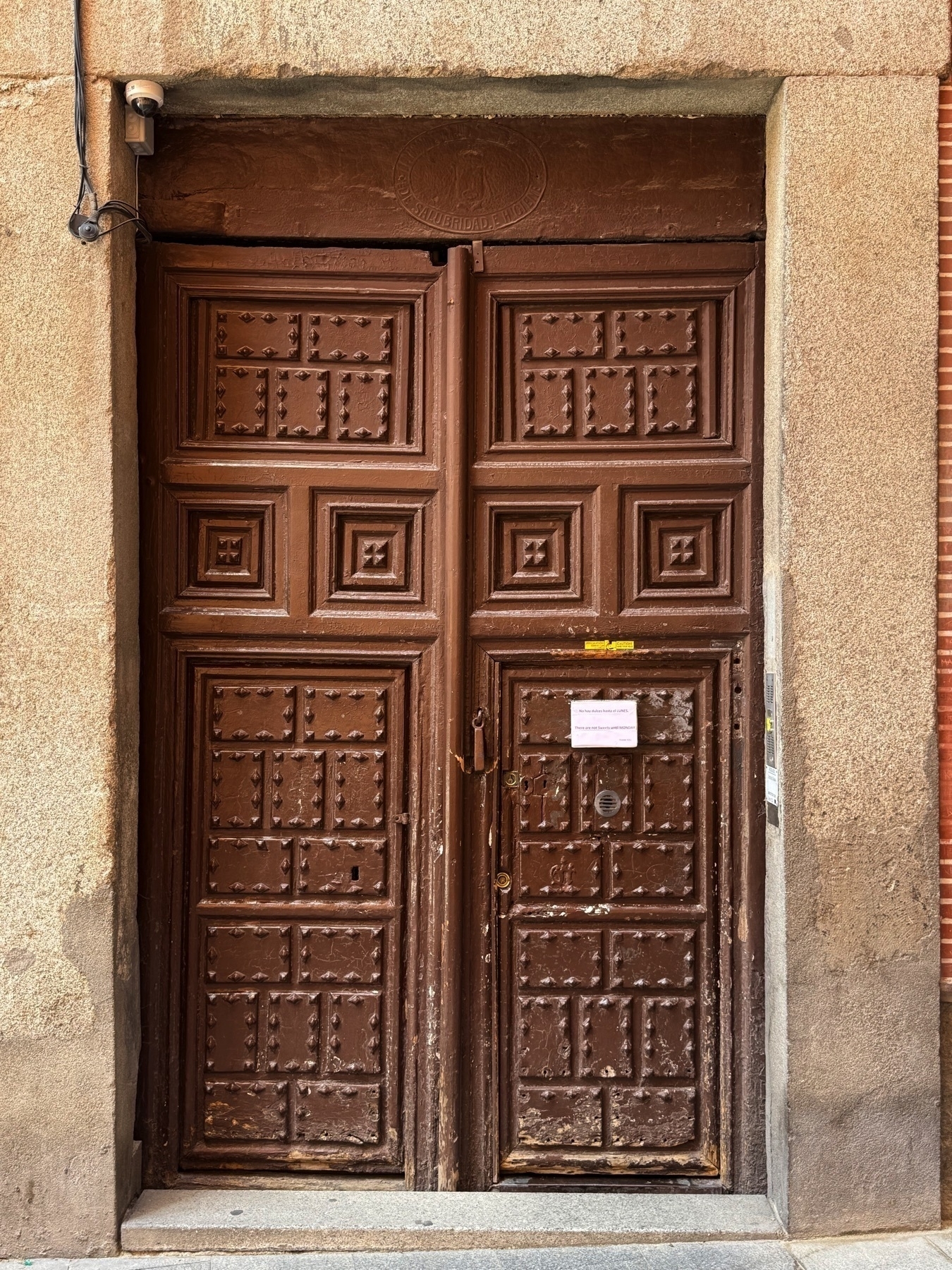
We went to the Monasterio del Corpus Christi las Carboneras to buy cookies from the cloistered nuns, but a sign on the door said no sweets until Monday.
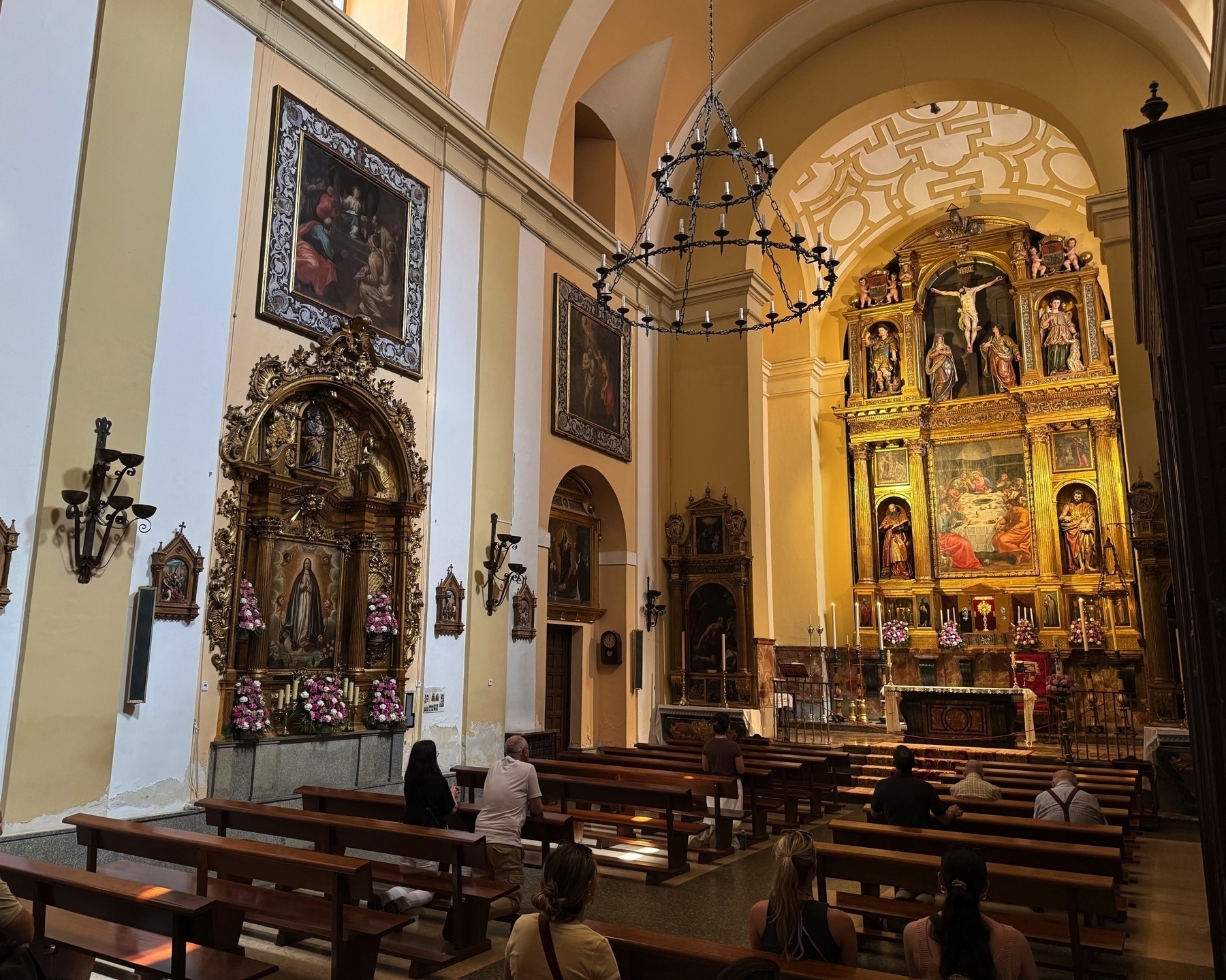
When we went inside the church, I was surprised that even a little church still had gold-covered altars and ornate paintings.
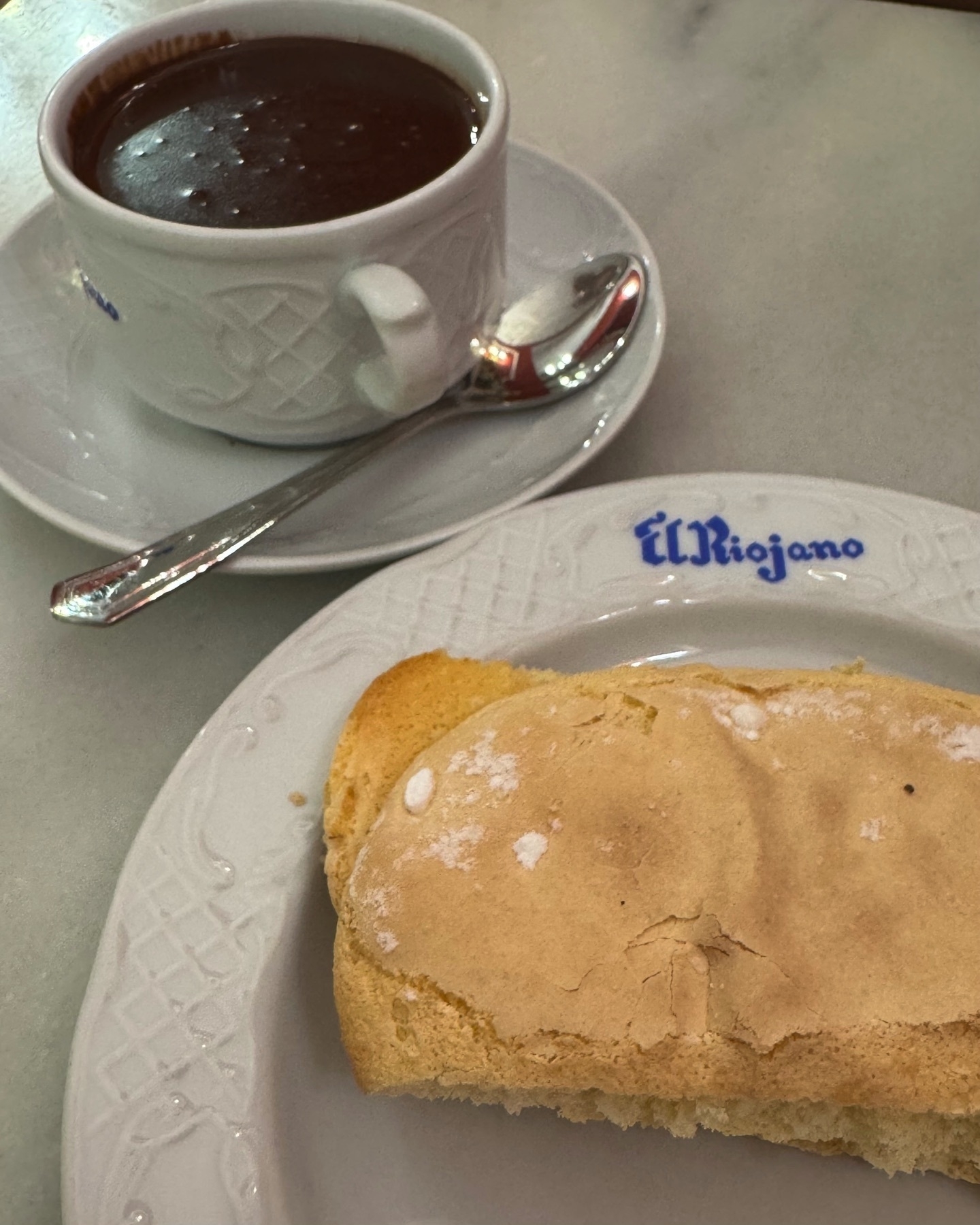
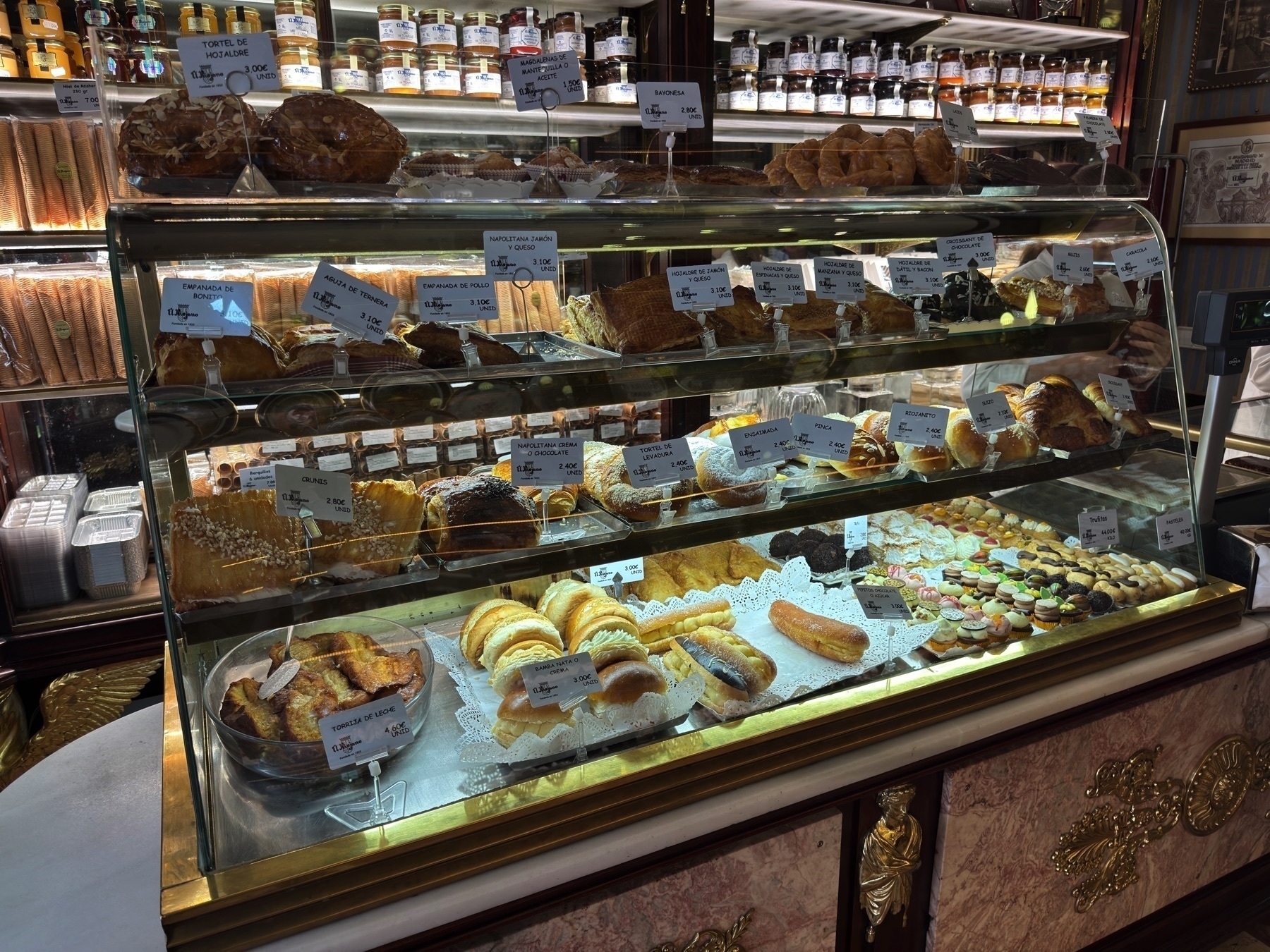
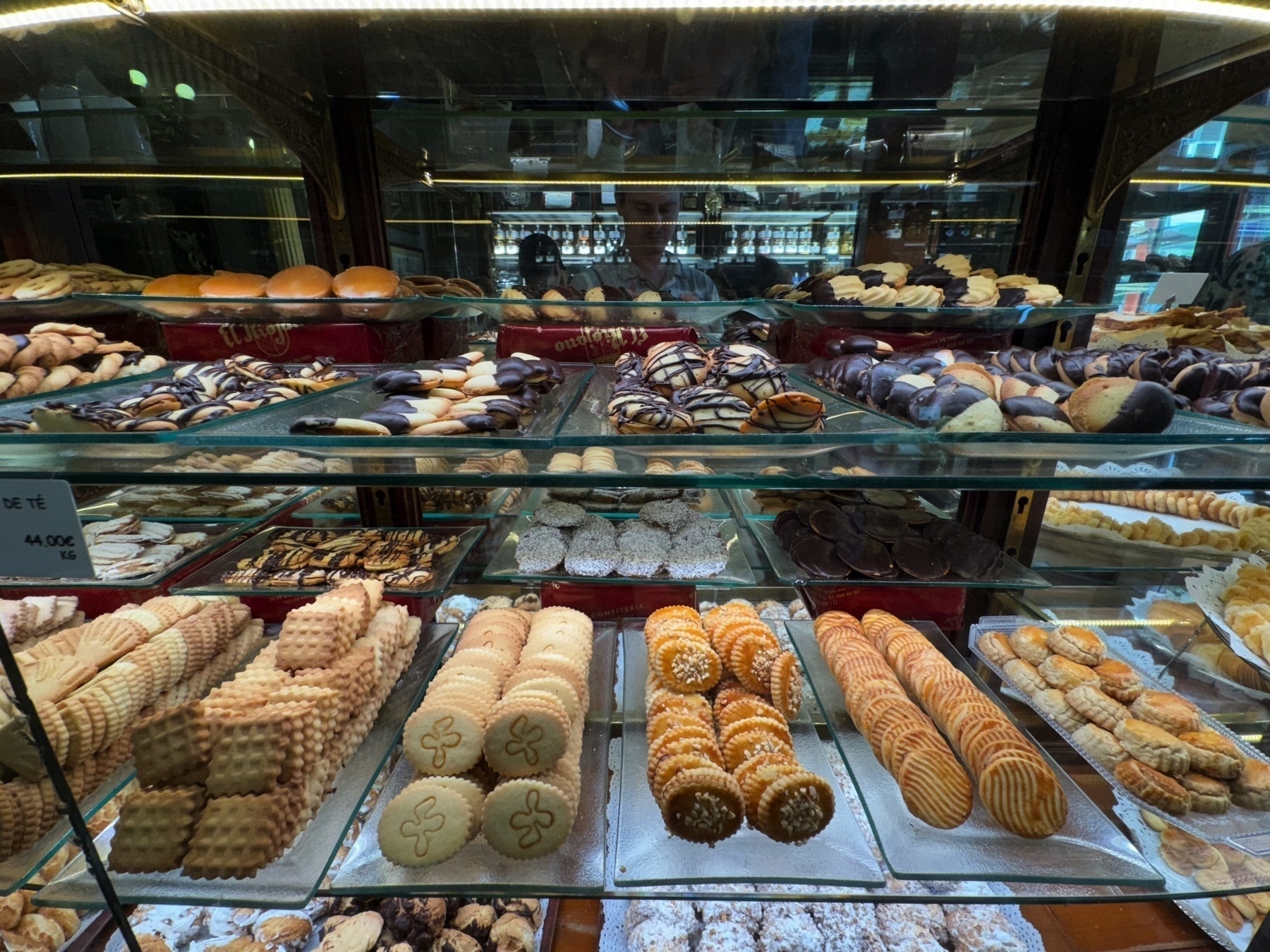
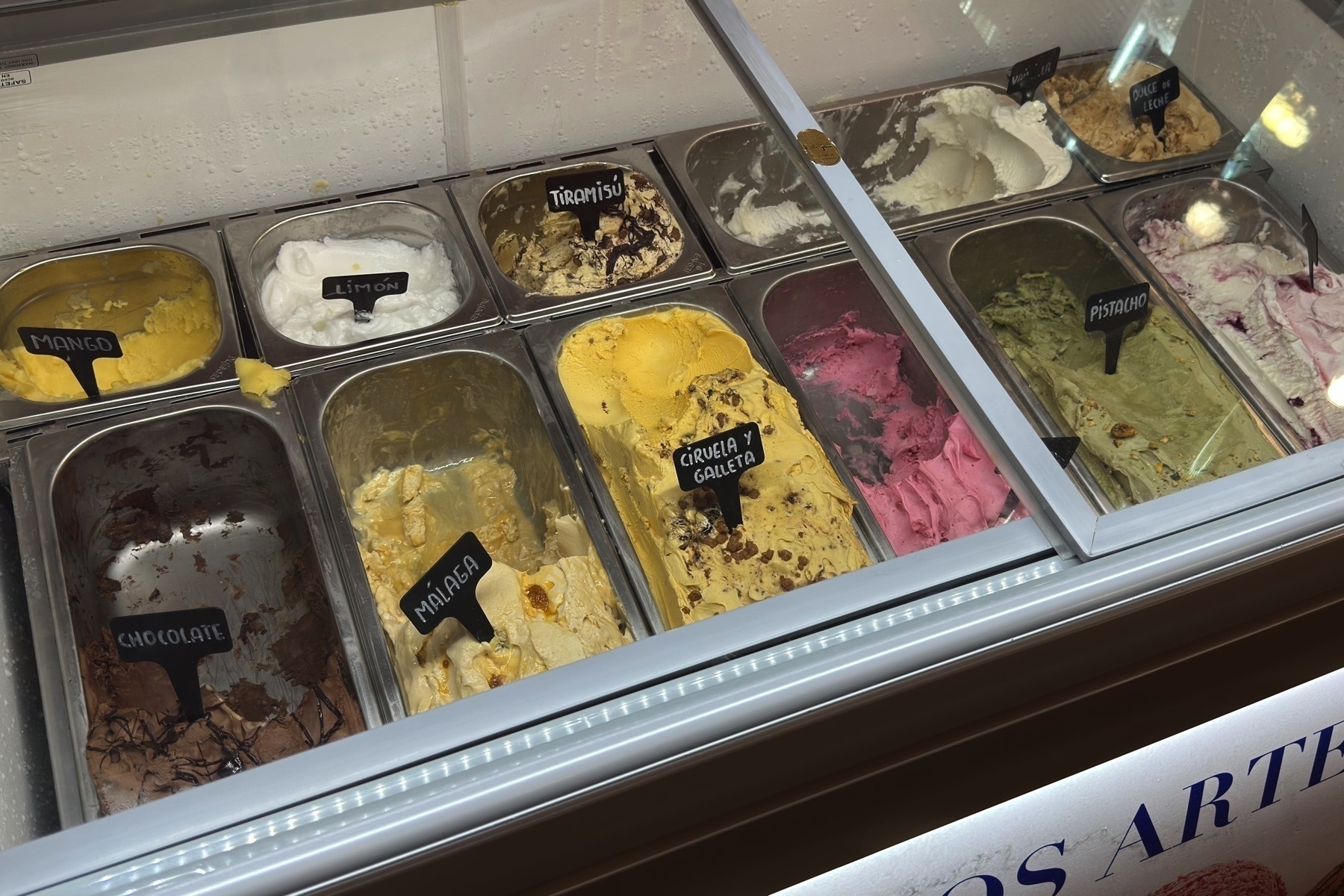
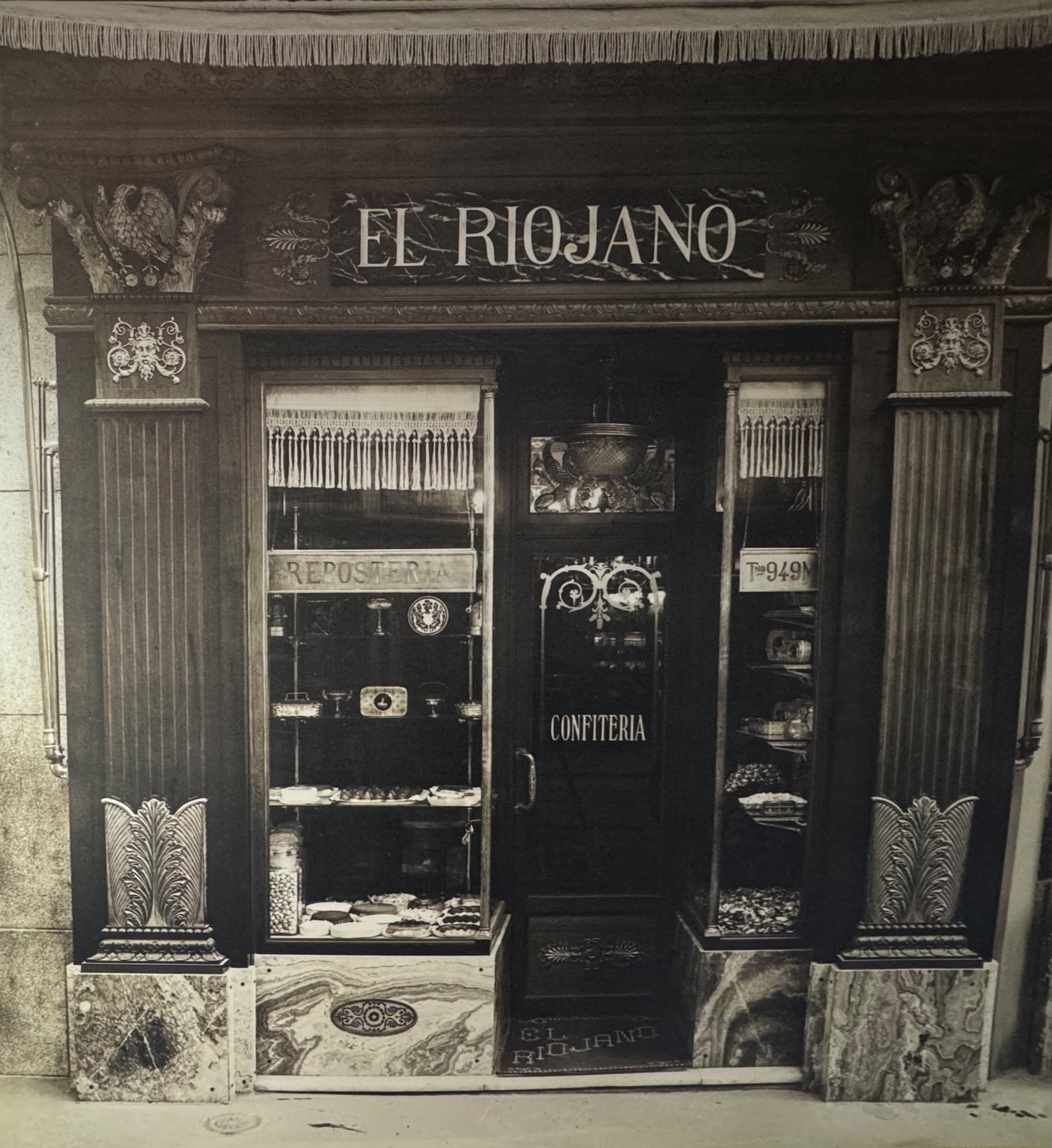
We stopped into Pastelería El Riojano for a quick soletilla con chocolate and it was delicious! The melted chocolate was rich and the ladyfingers were very soft sponge. Their other desserts and ice creams looked great too!
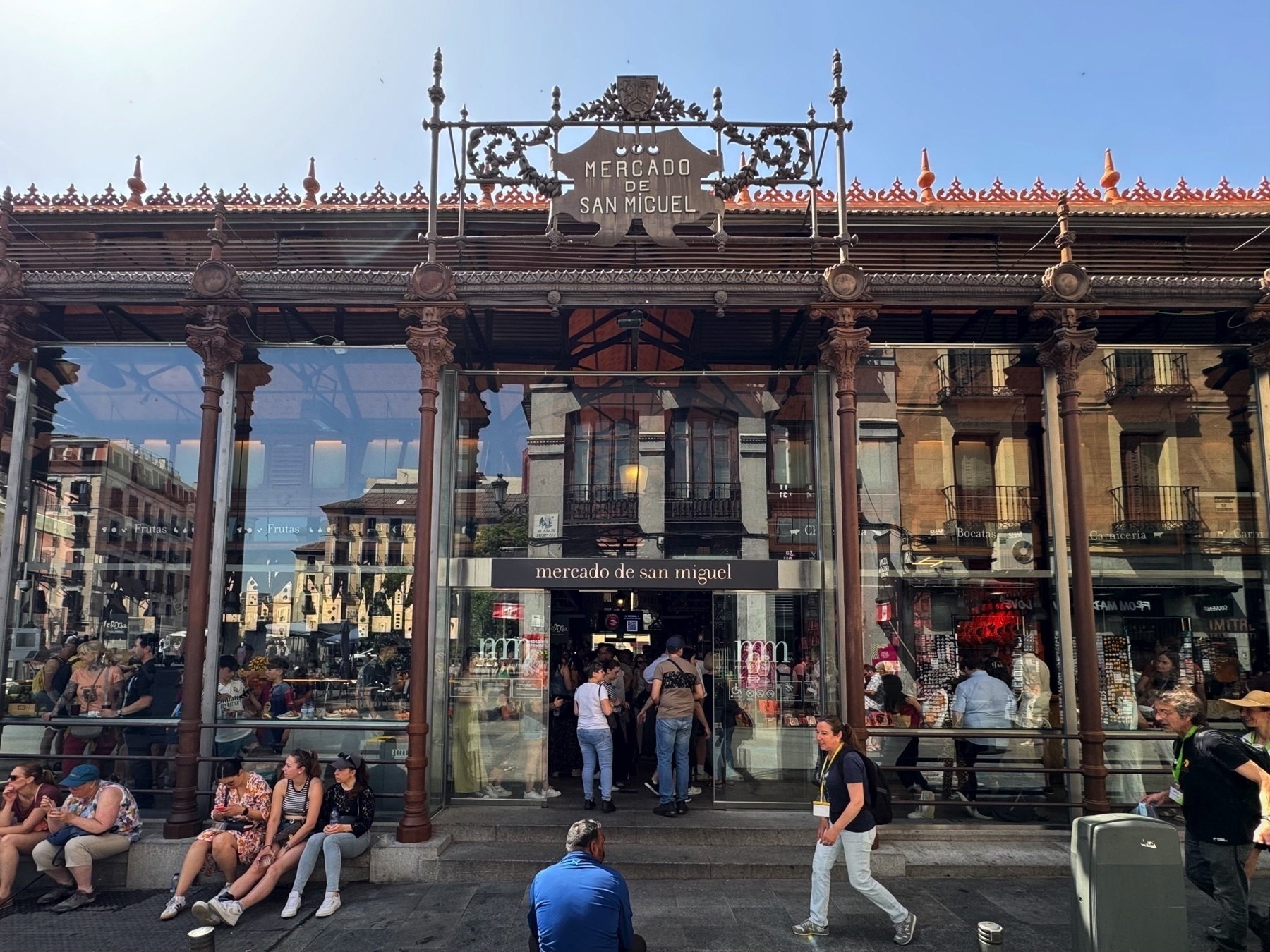
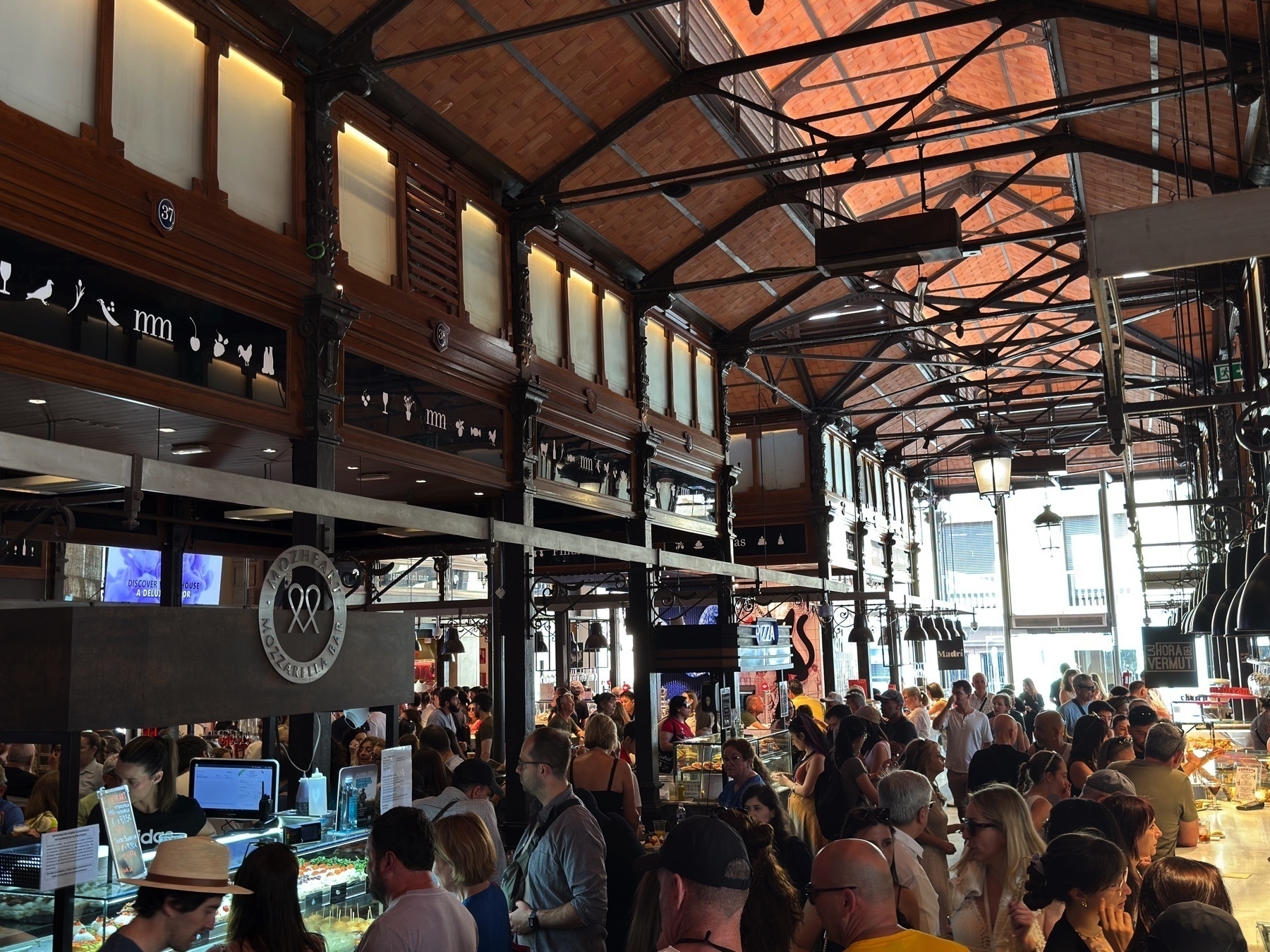
We popped into Mercado de San Miguel for cava and were surprised this market was entirely food stalls (unlike València and Málaga, which were focused on fresh groceries).
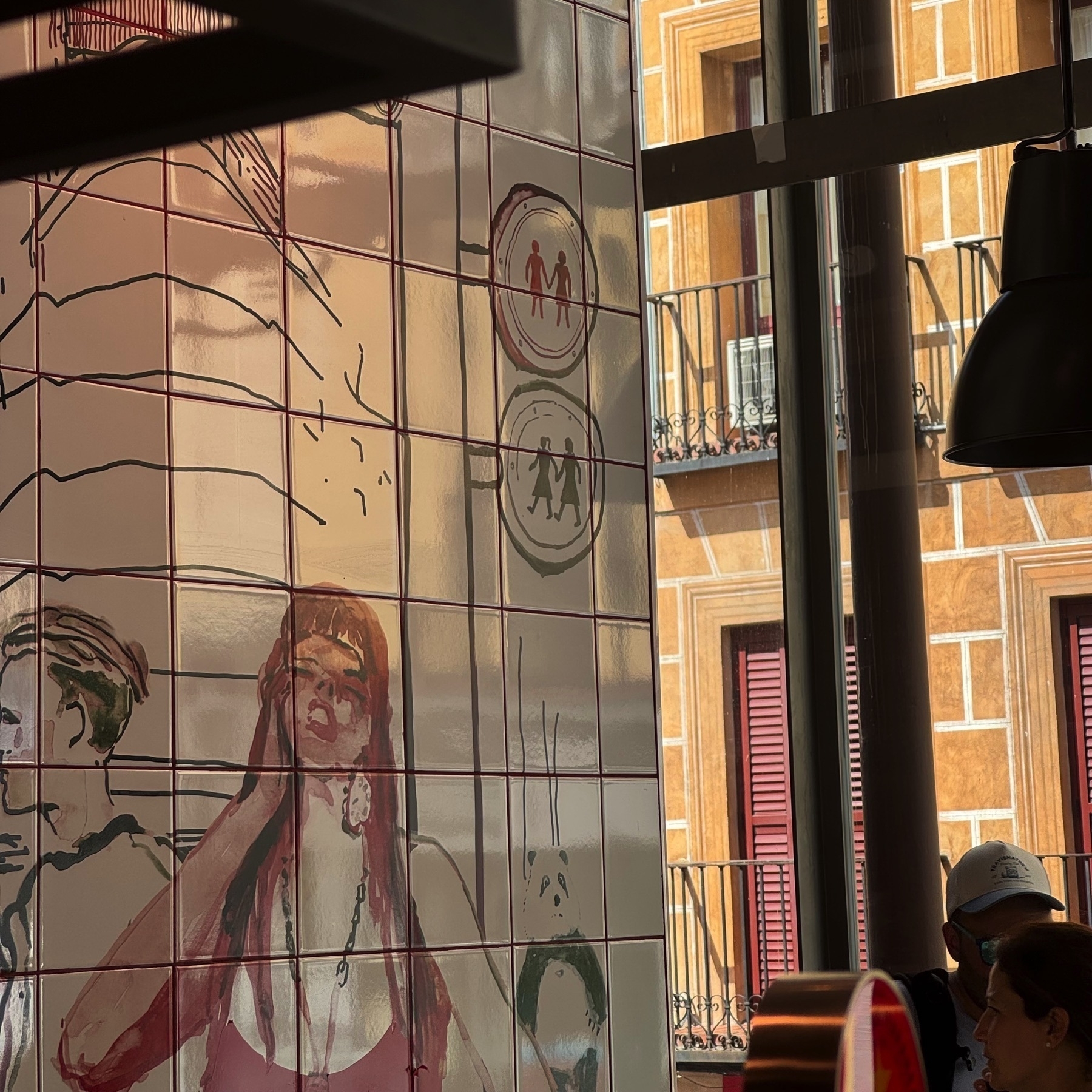
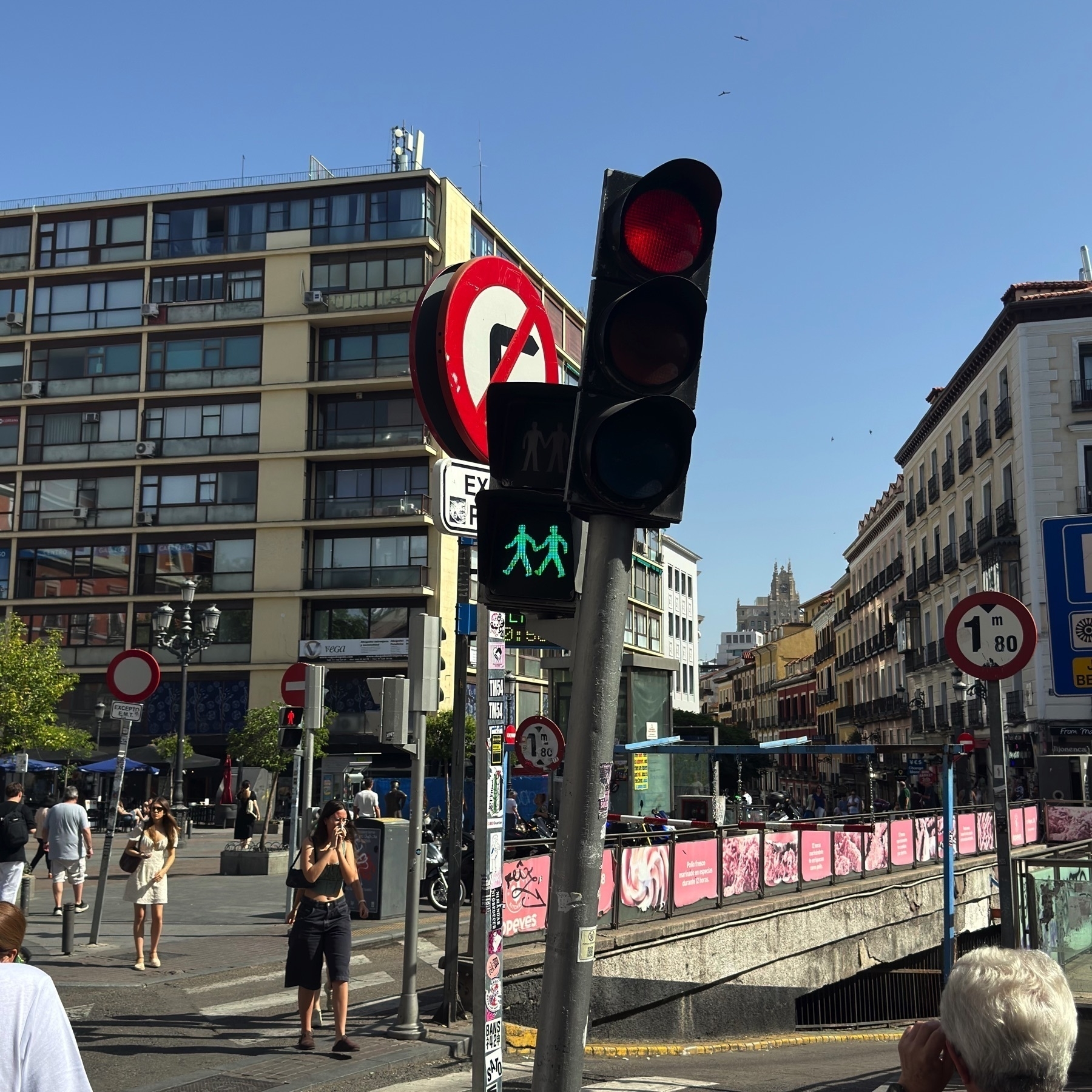
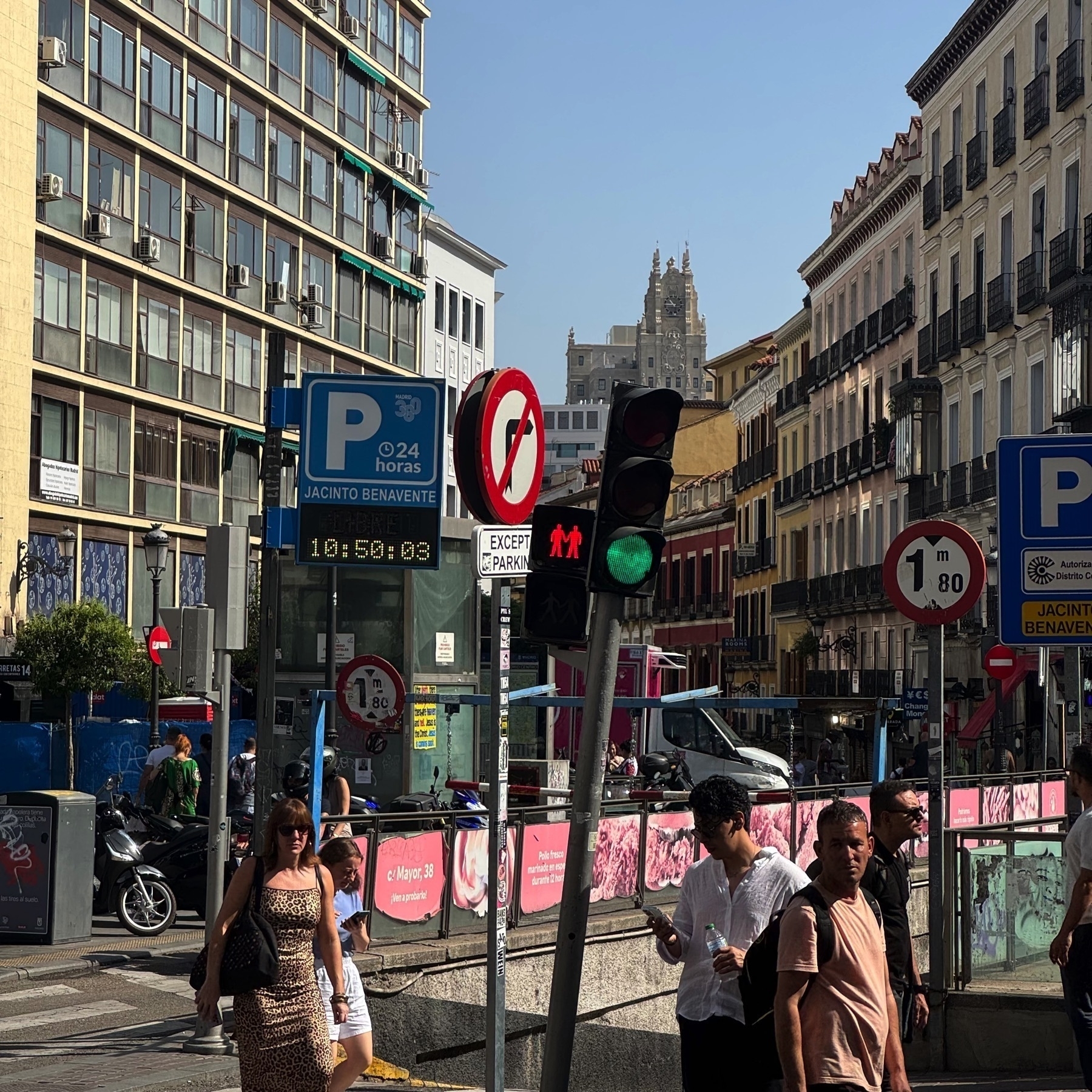
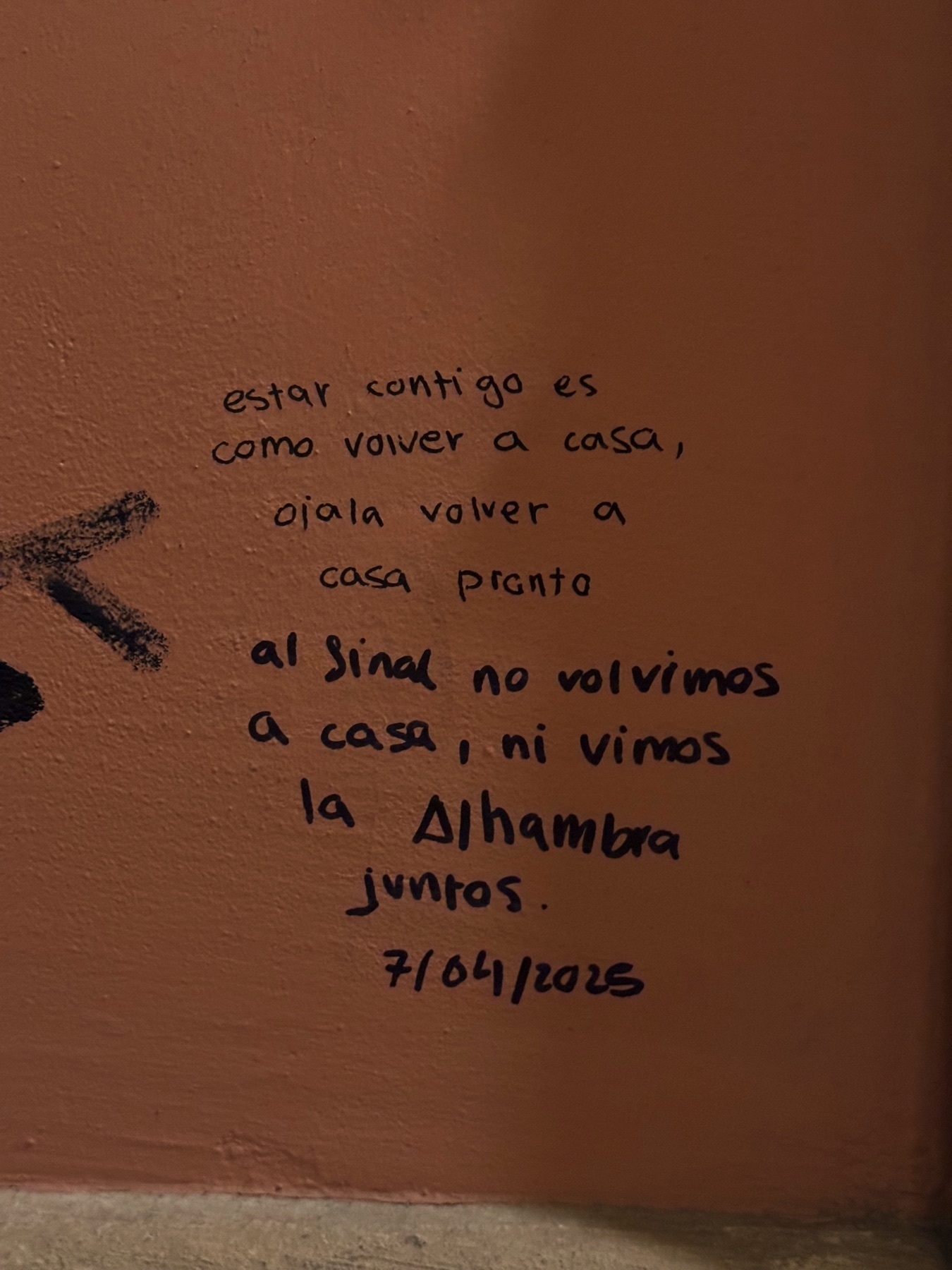
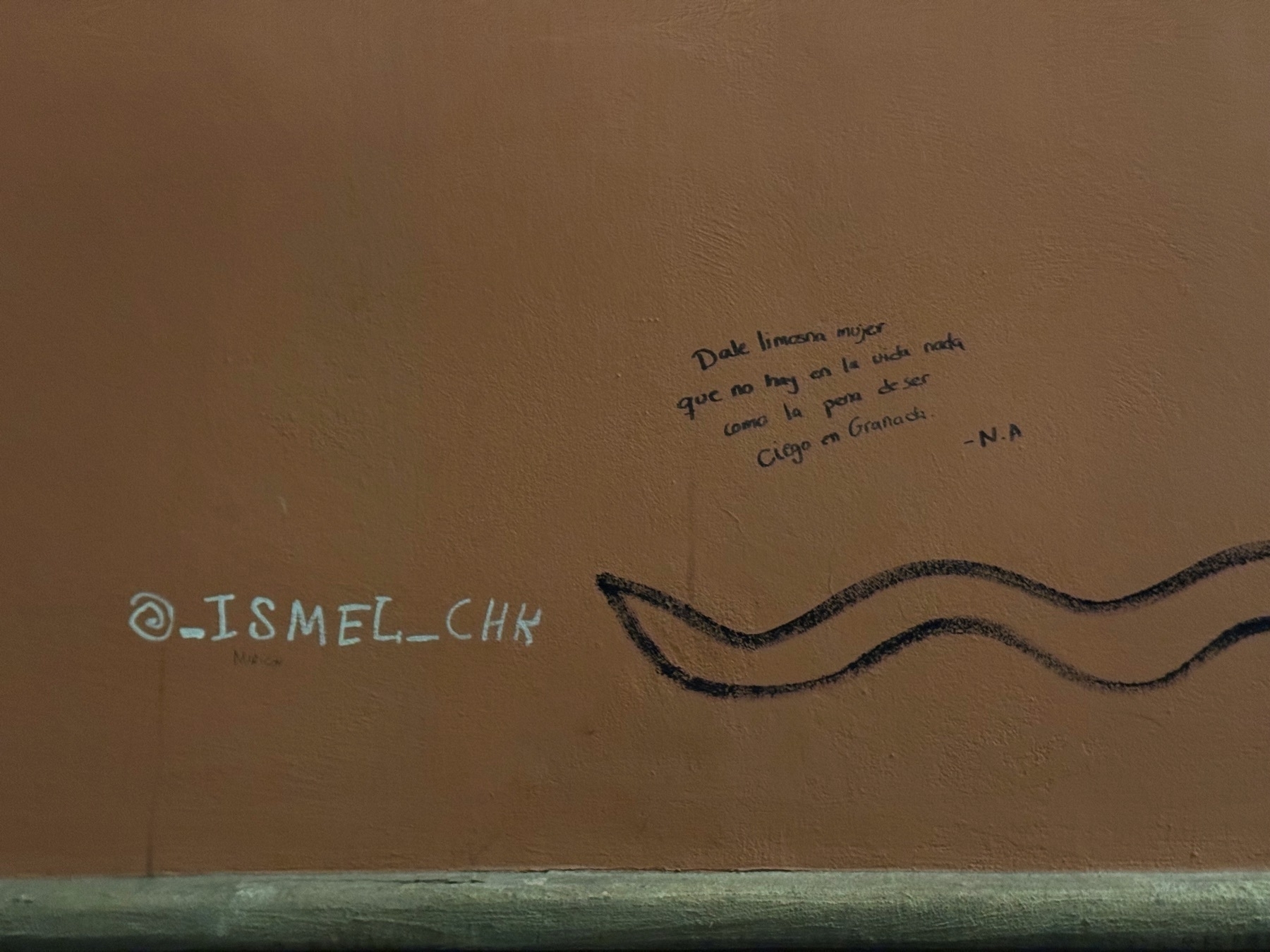
I especially loved the wall art with subtle gay-themed stop signs to mimic the actual stop signs throughout Madrid.
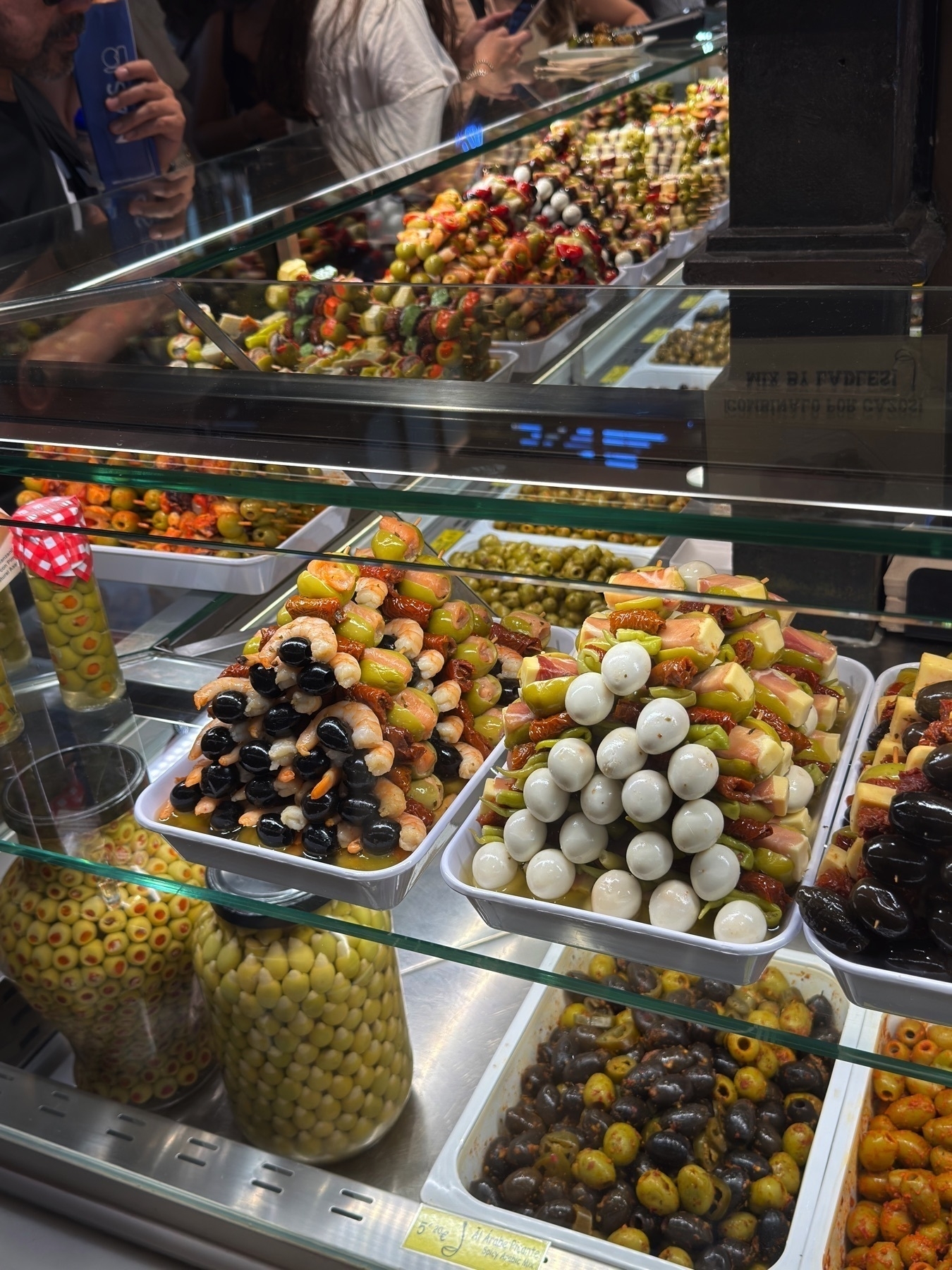
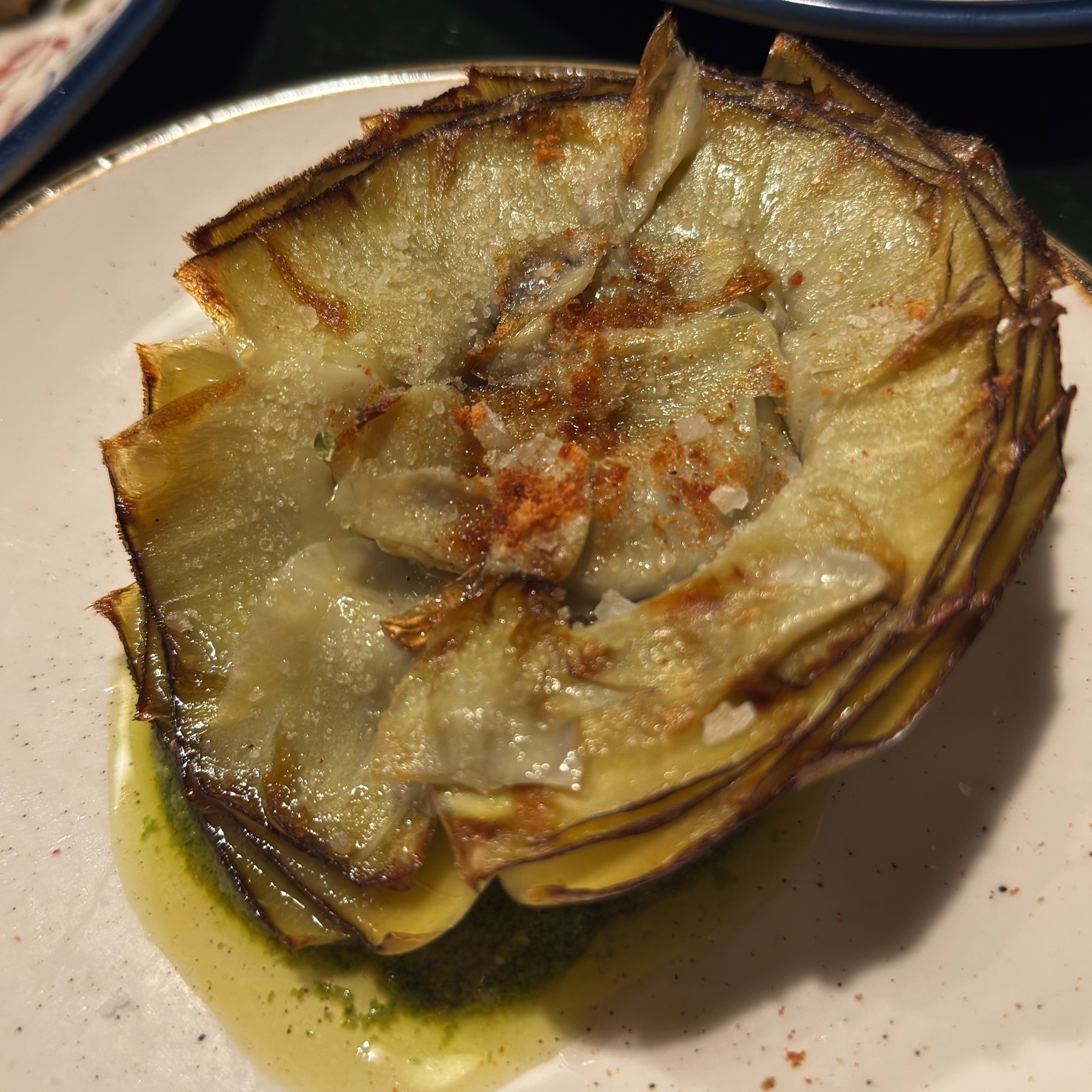
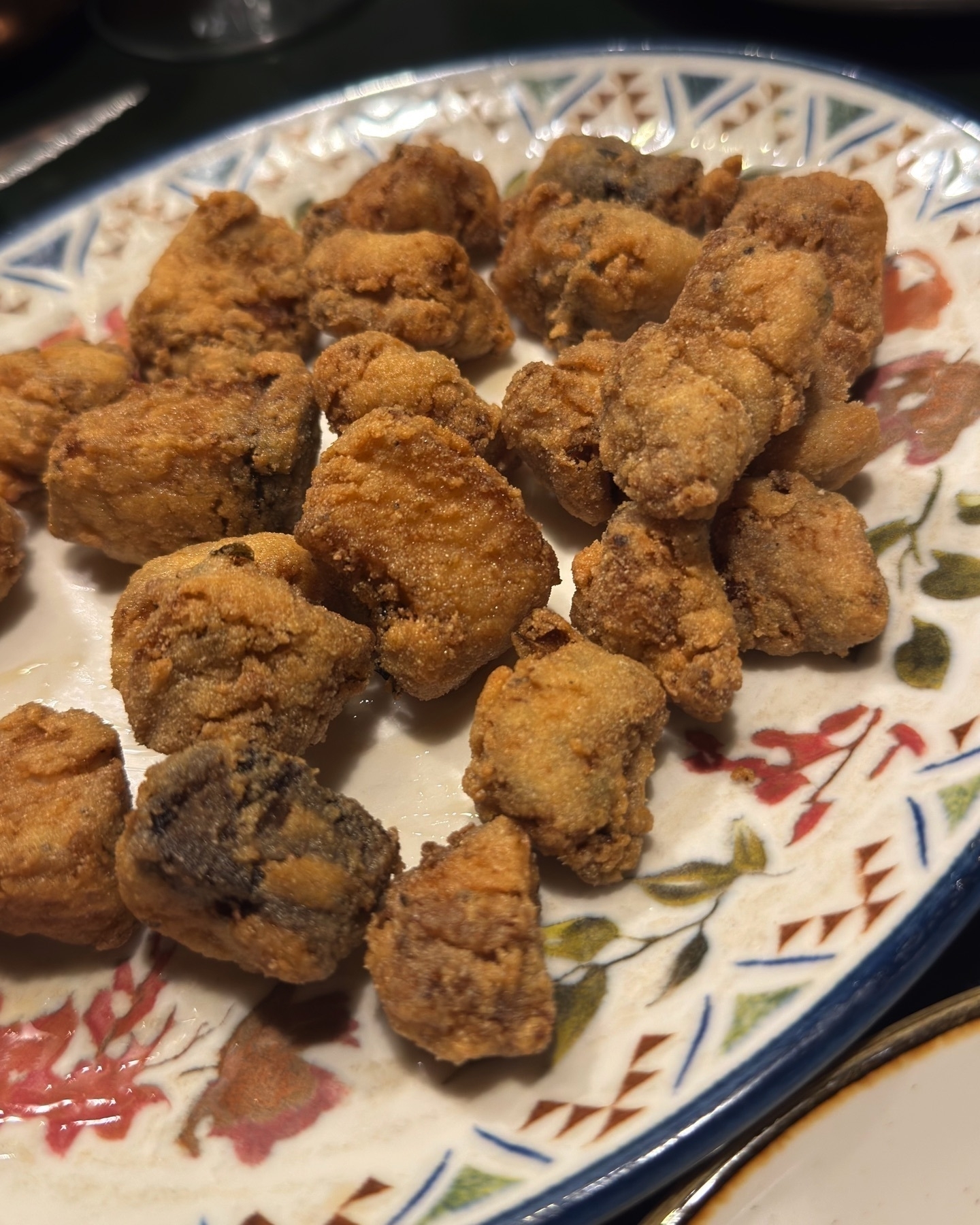
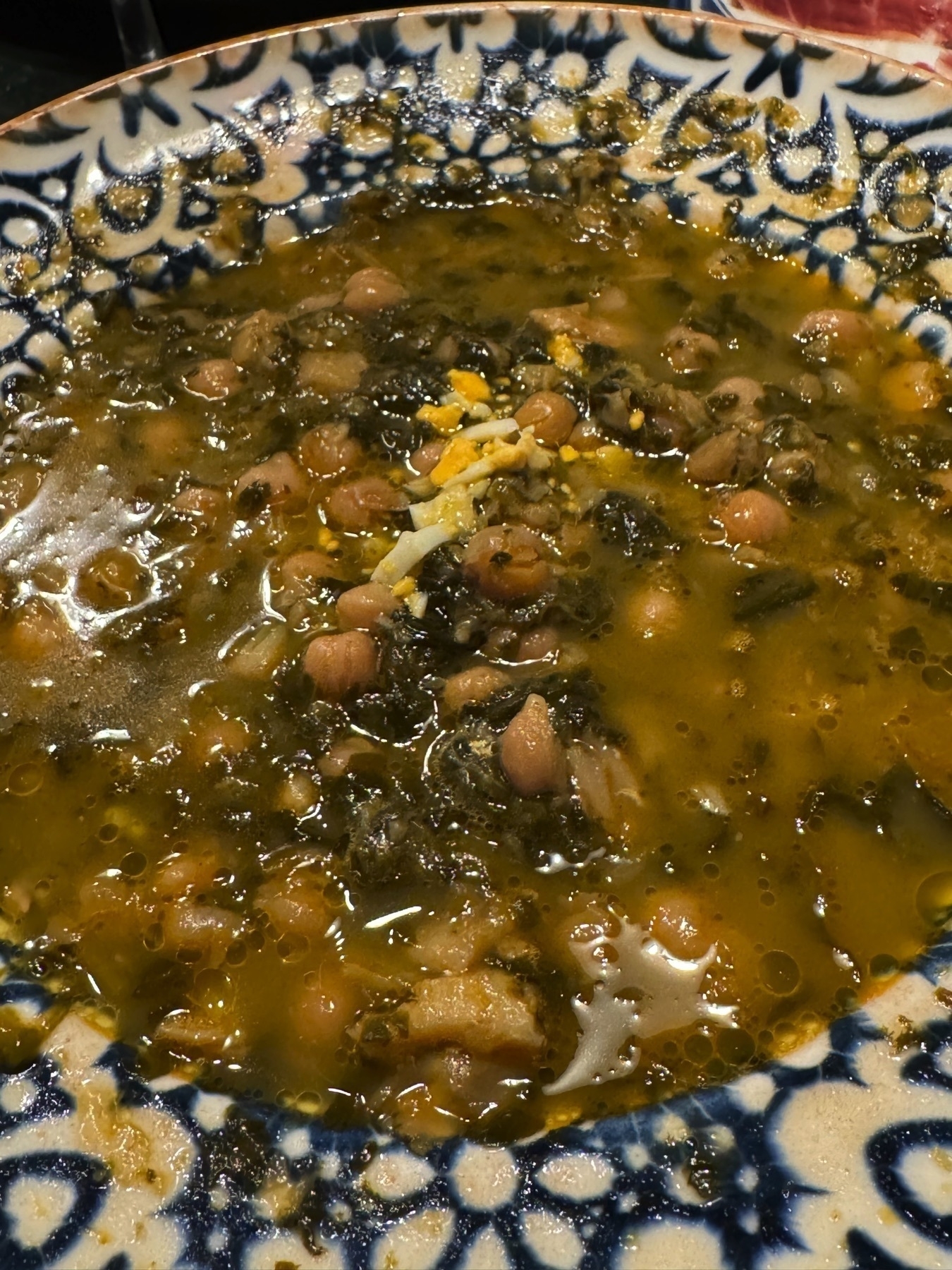
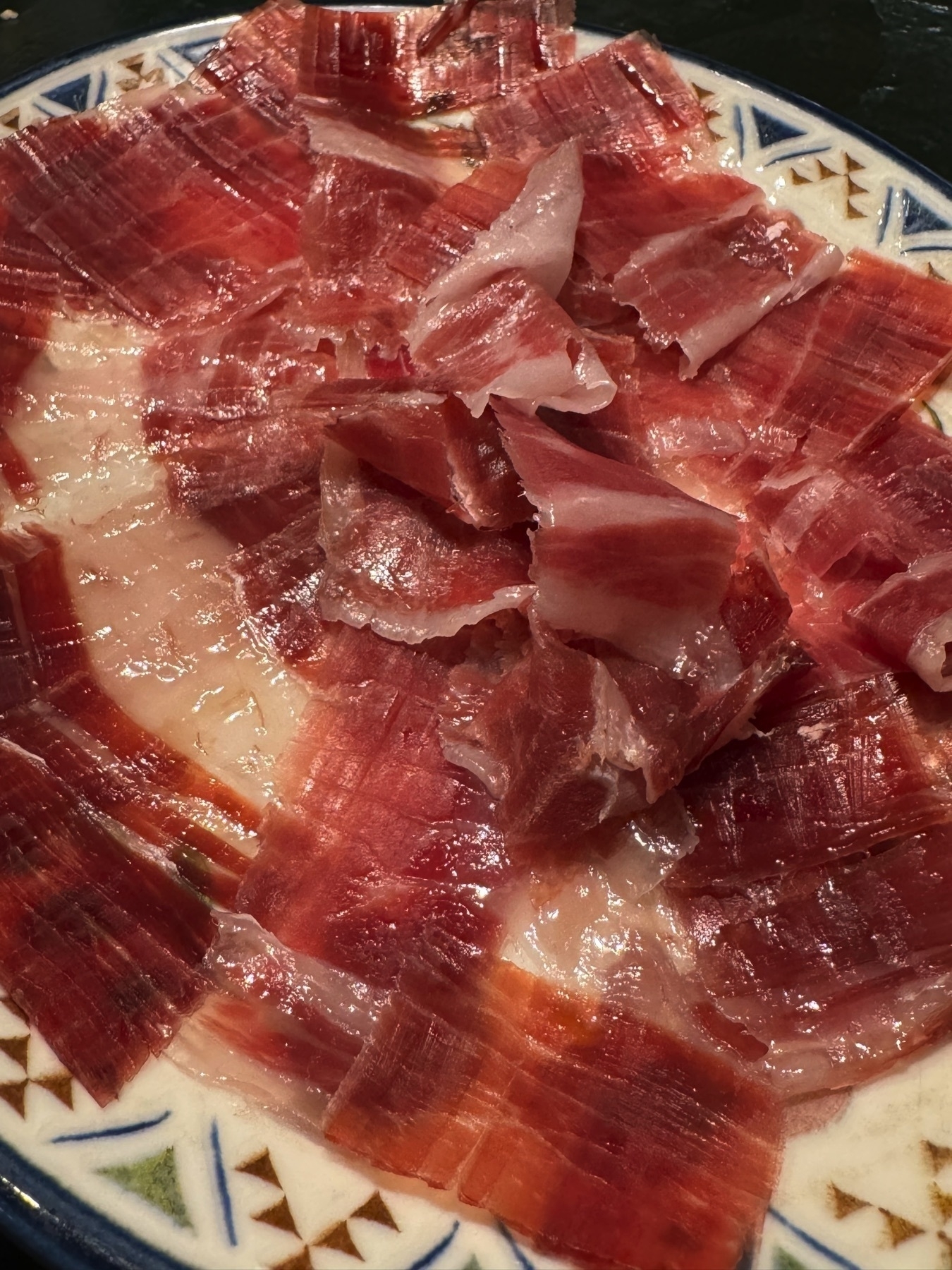
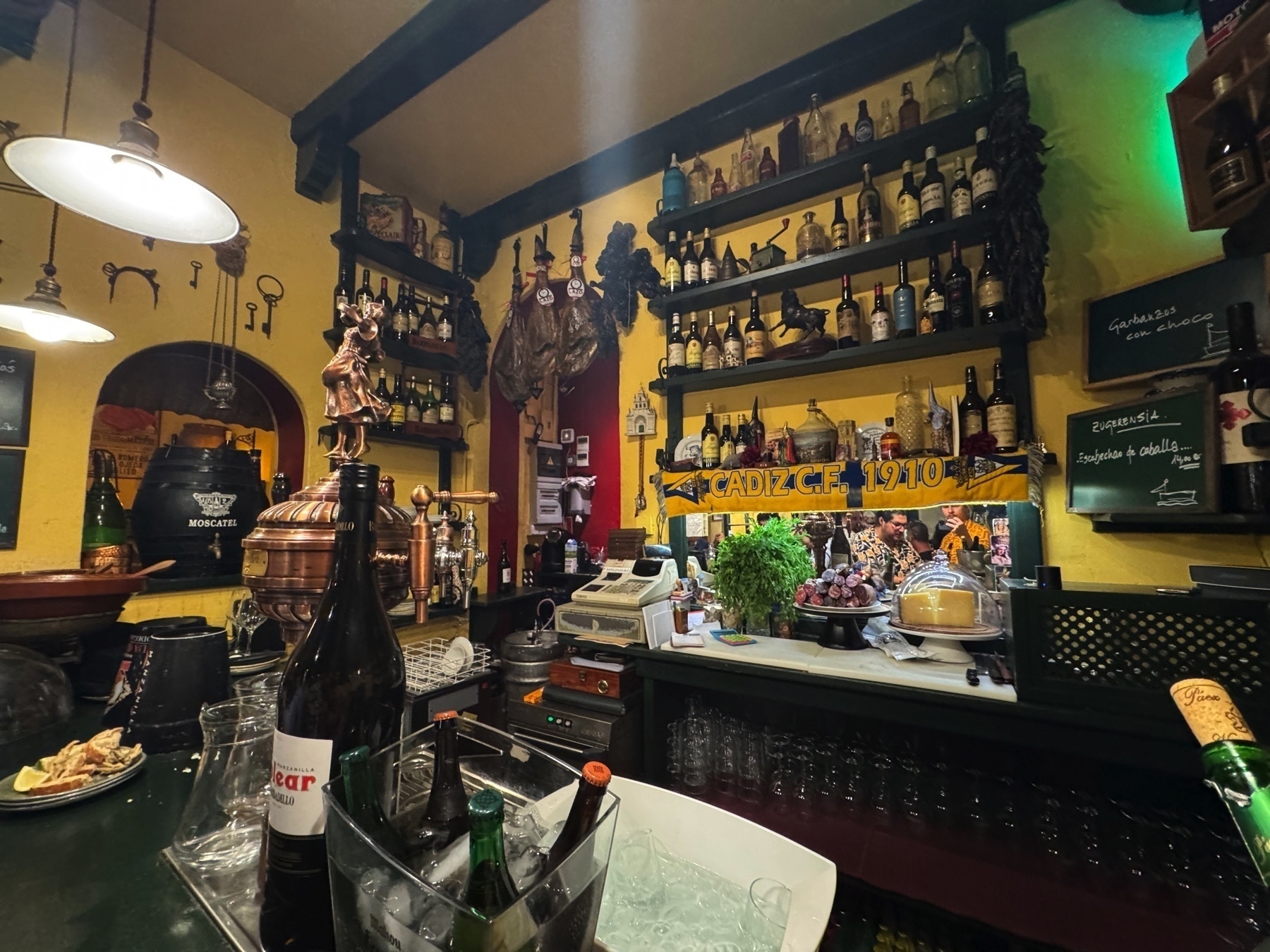
We went to Taberna Sanlúcar and really enjoyed the alcachofa, adobo sanluqueño, garbanzos con espinacas y bacalao, and of course the jamón ibérico. The place was packed when we arrived; we waited for a bit to sit at the bar and eat. Many people came and were turned away because they were so busy.
My dad’s one recommendation for Madrid was visiting the Museo Nacional del Prado—it was a great recommendation! We did the two-hour self-guided tour which only highlighted 1–2 paintings in each room.
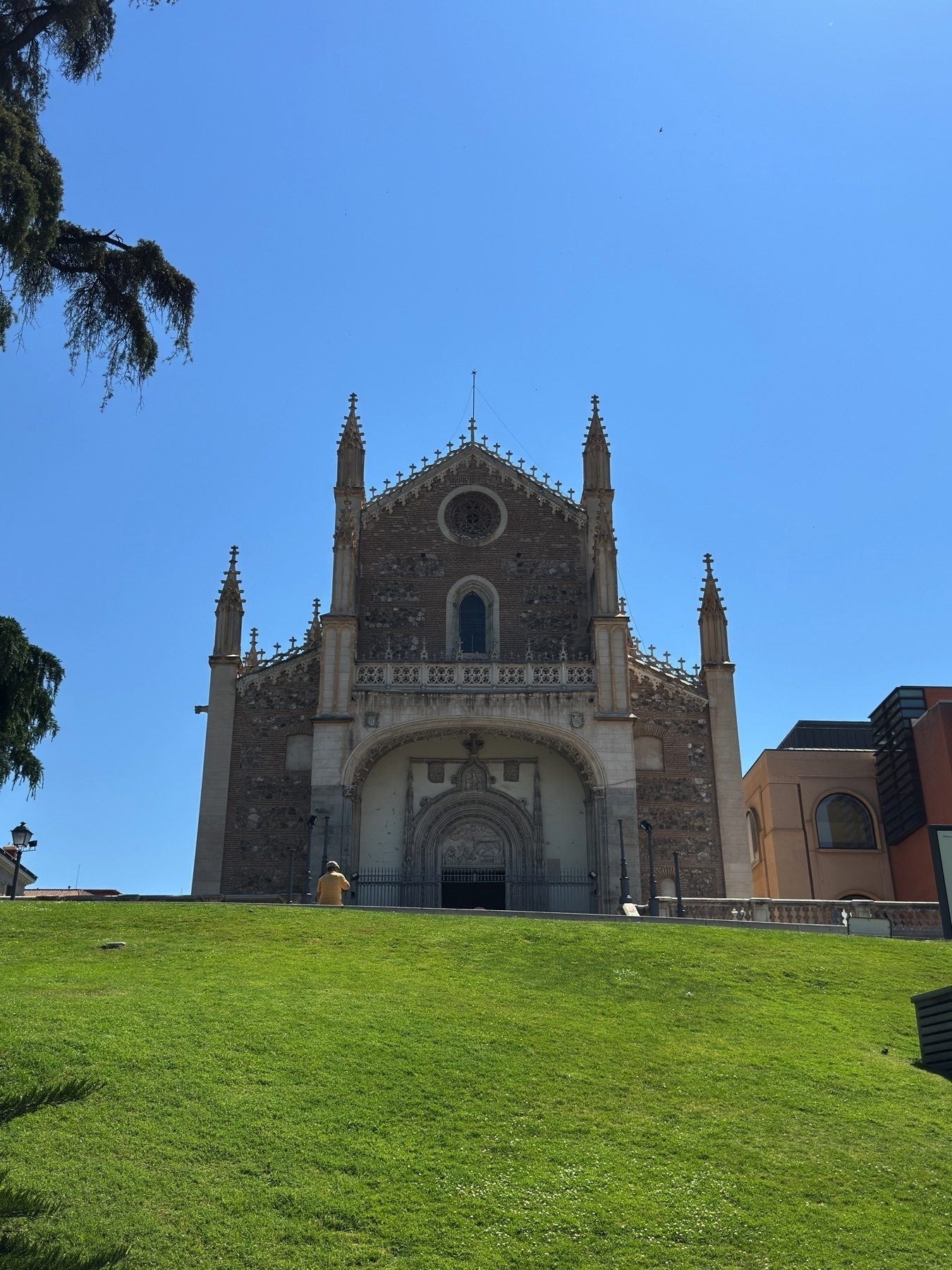
No photos allowed, so just a few photos from the outside.


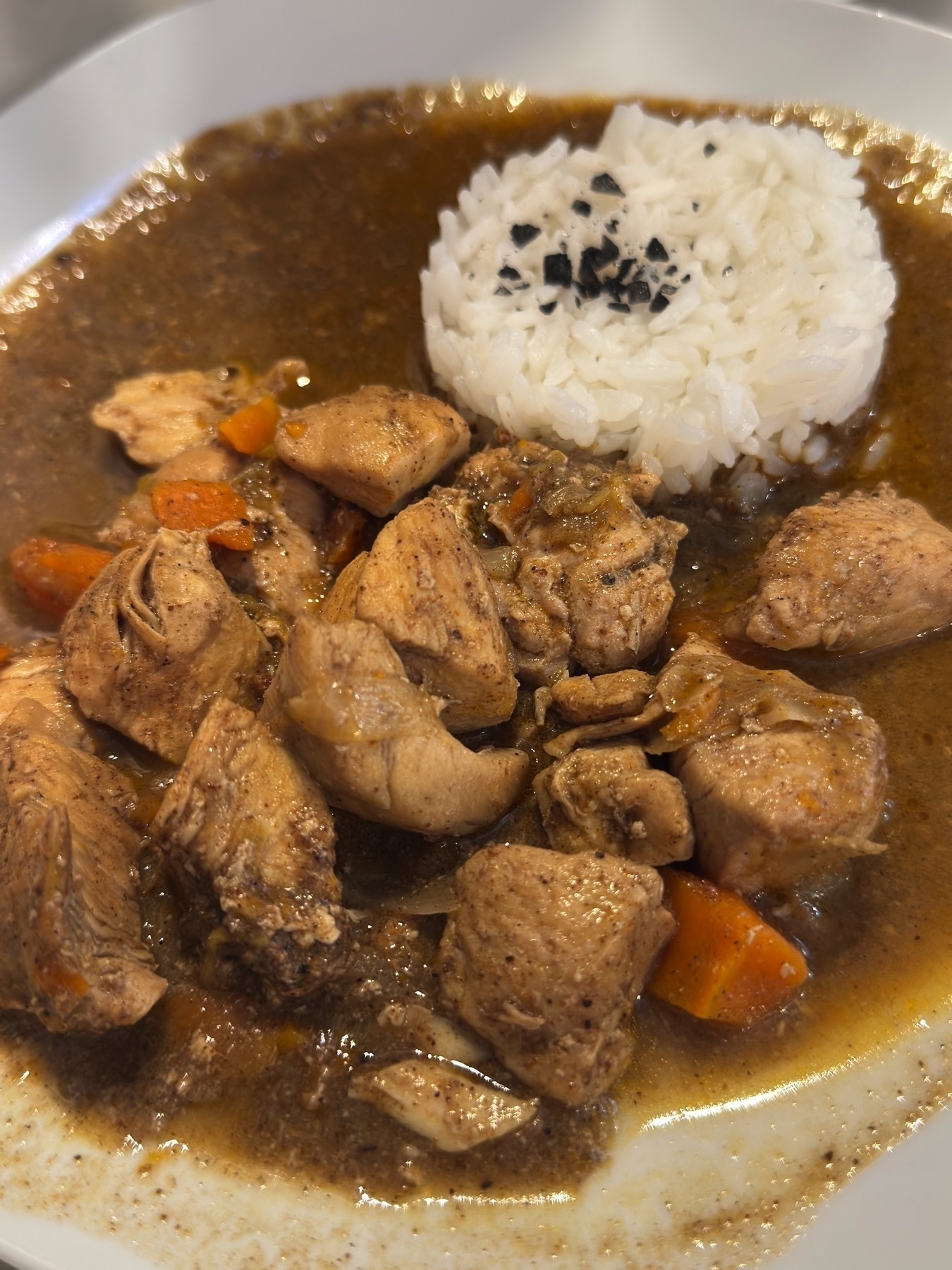
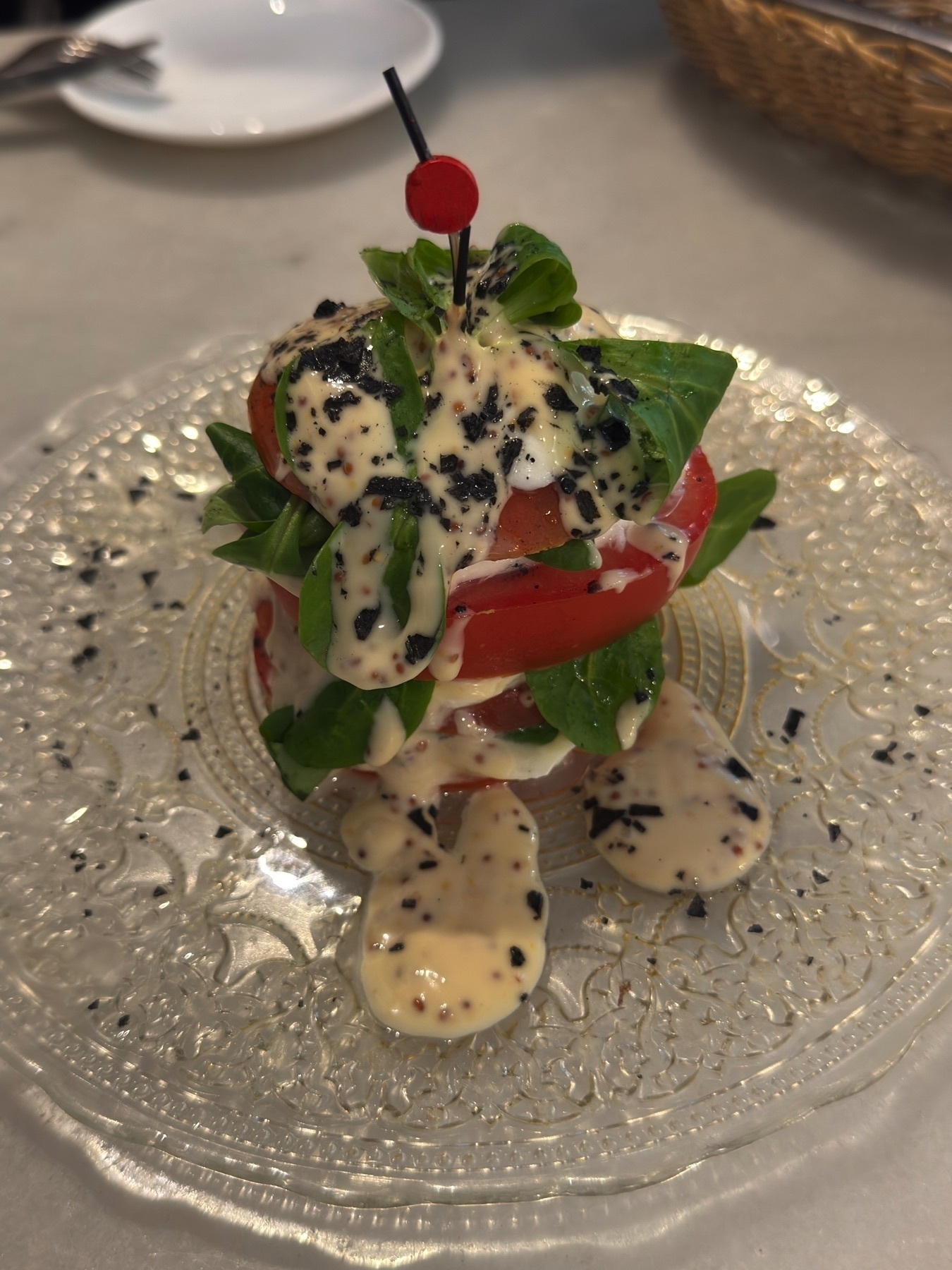
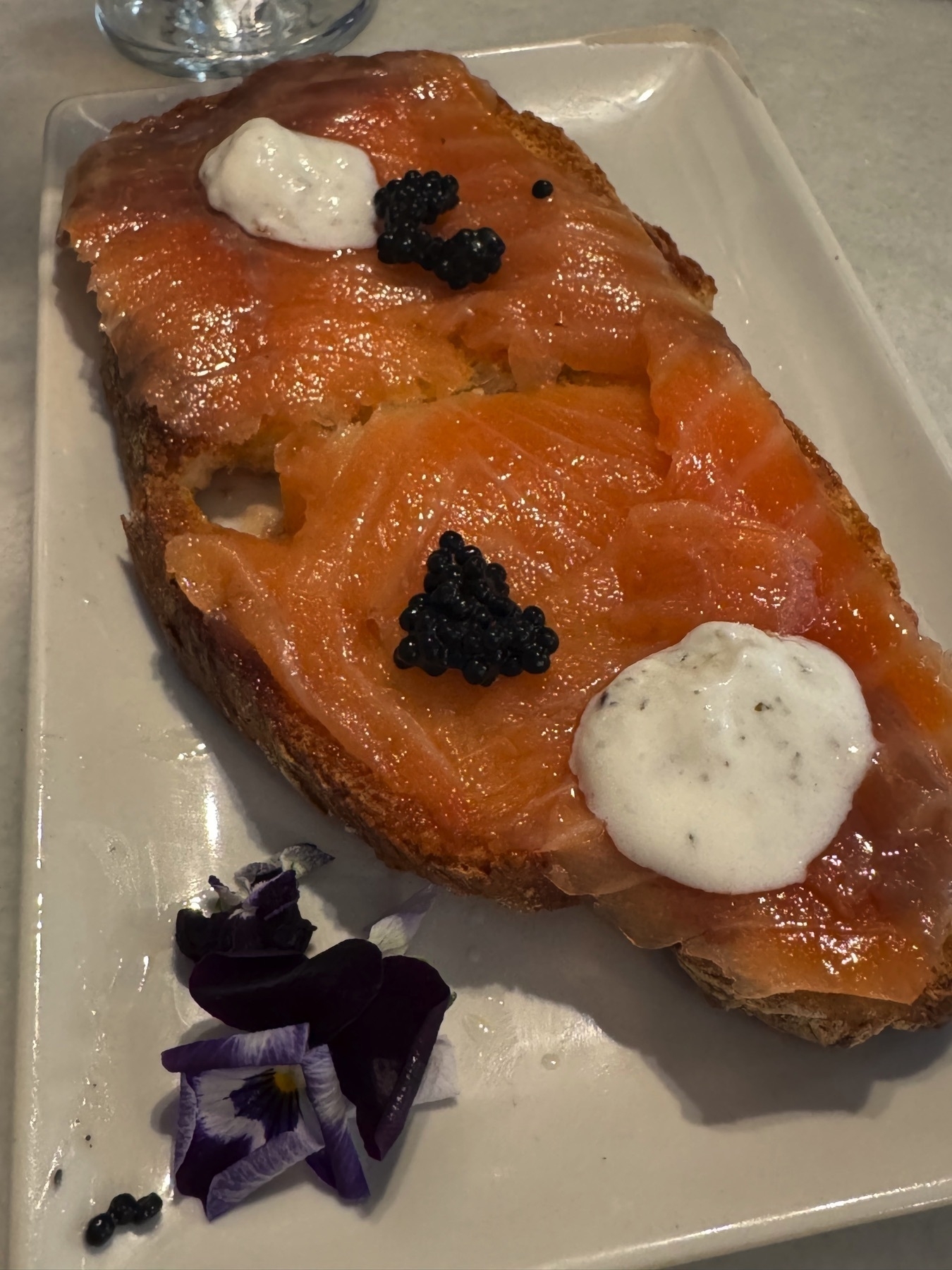
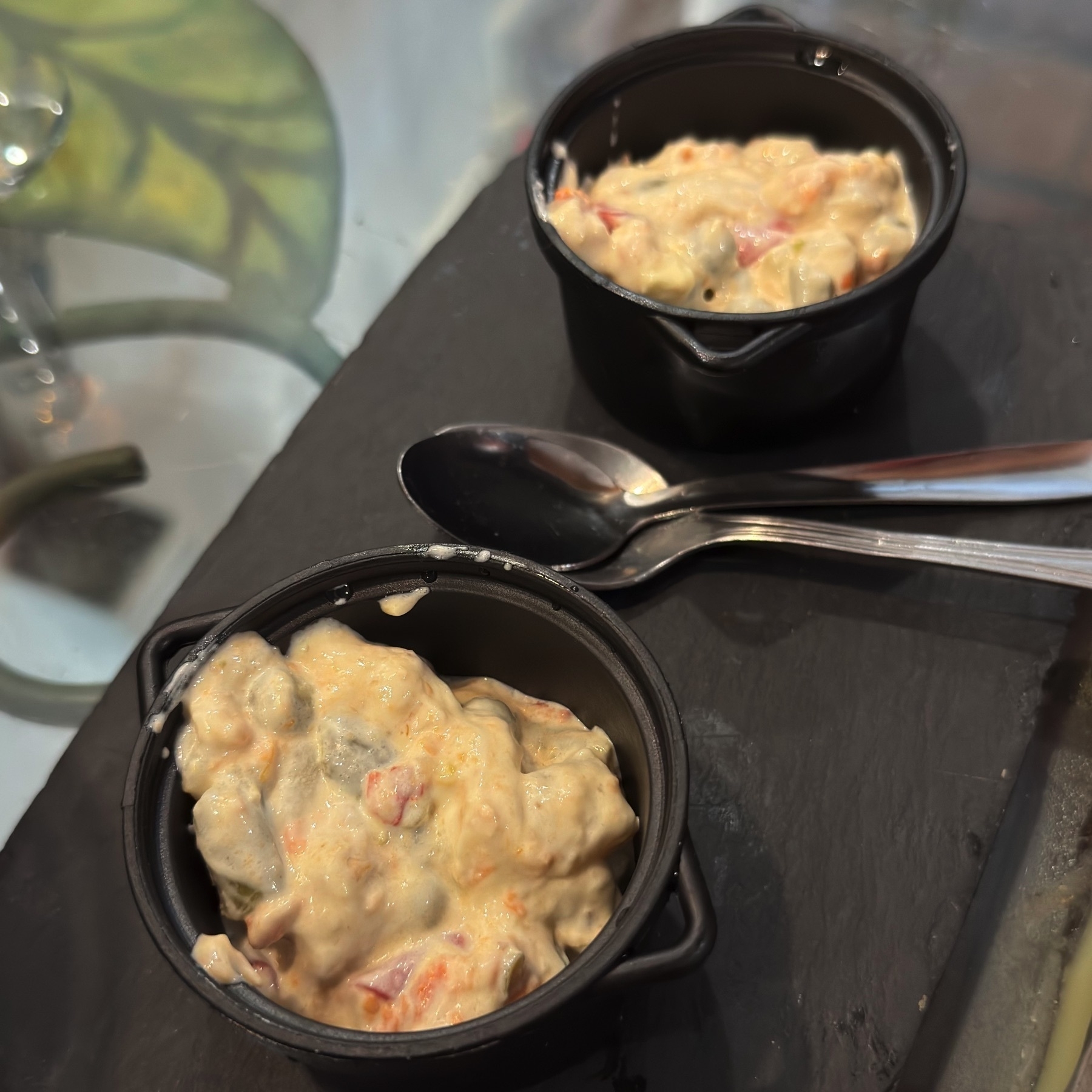
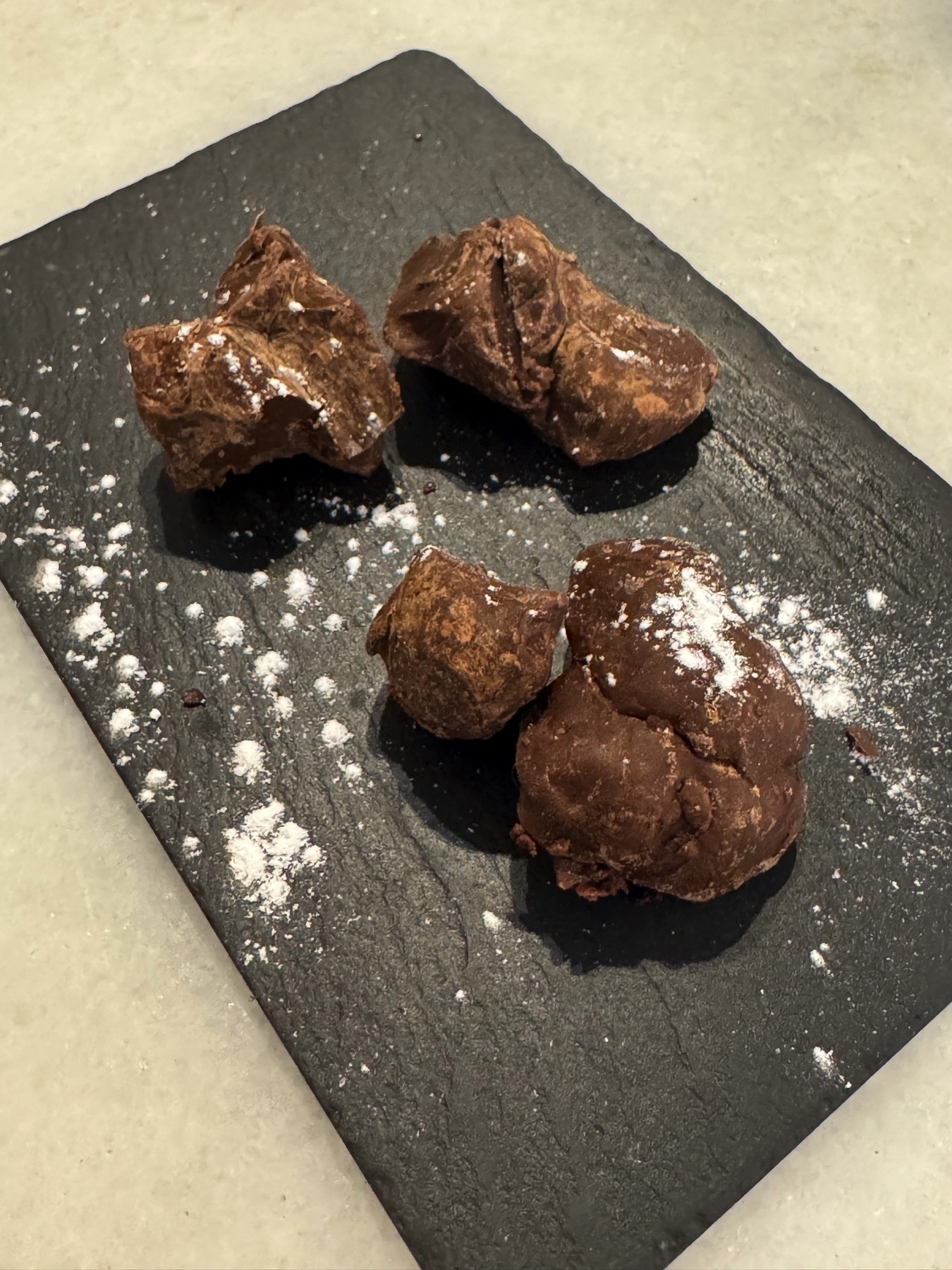
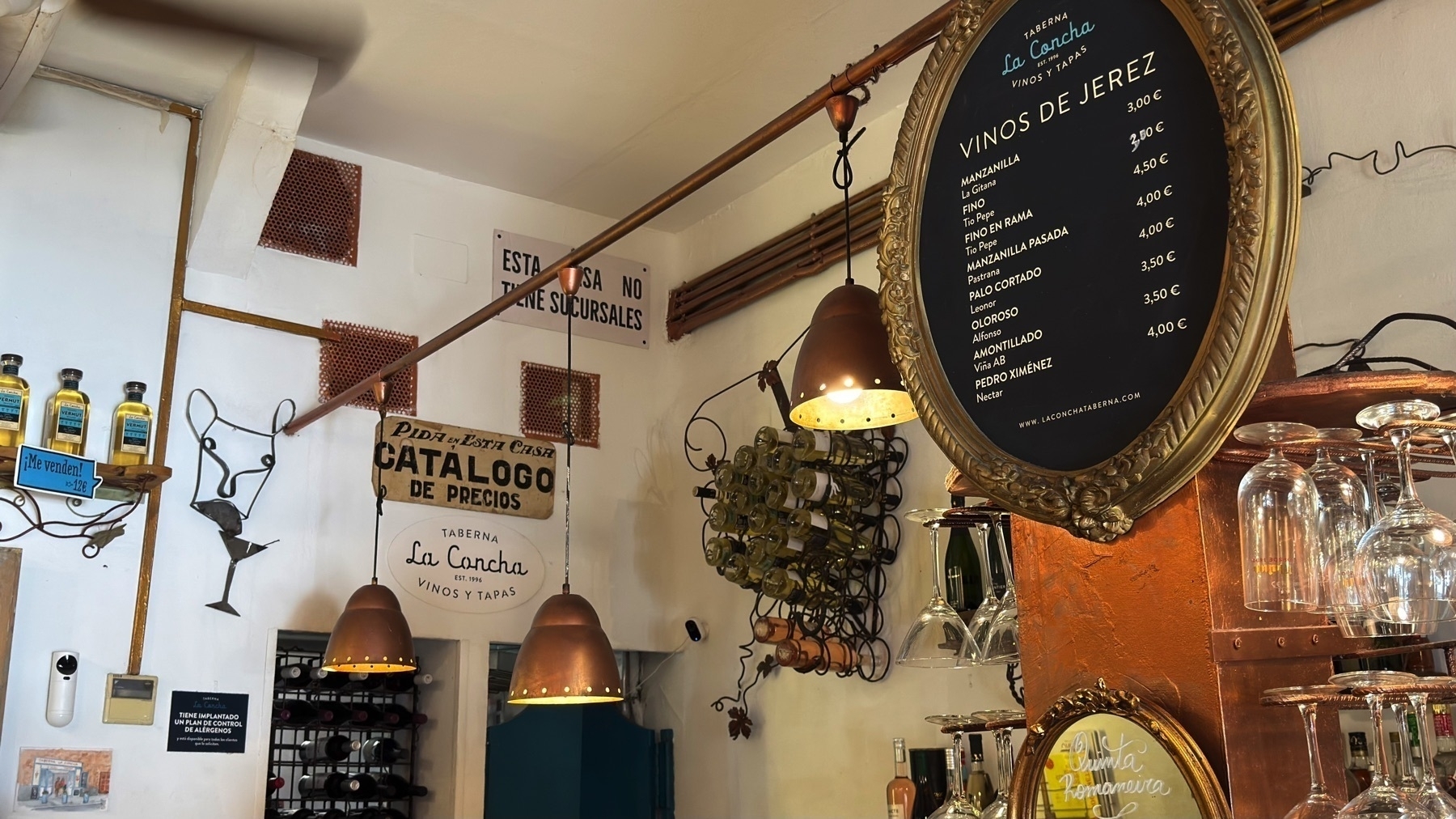
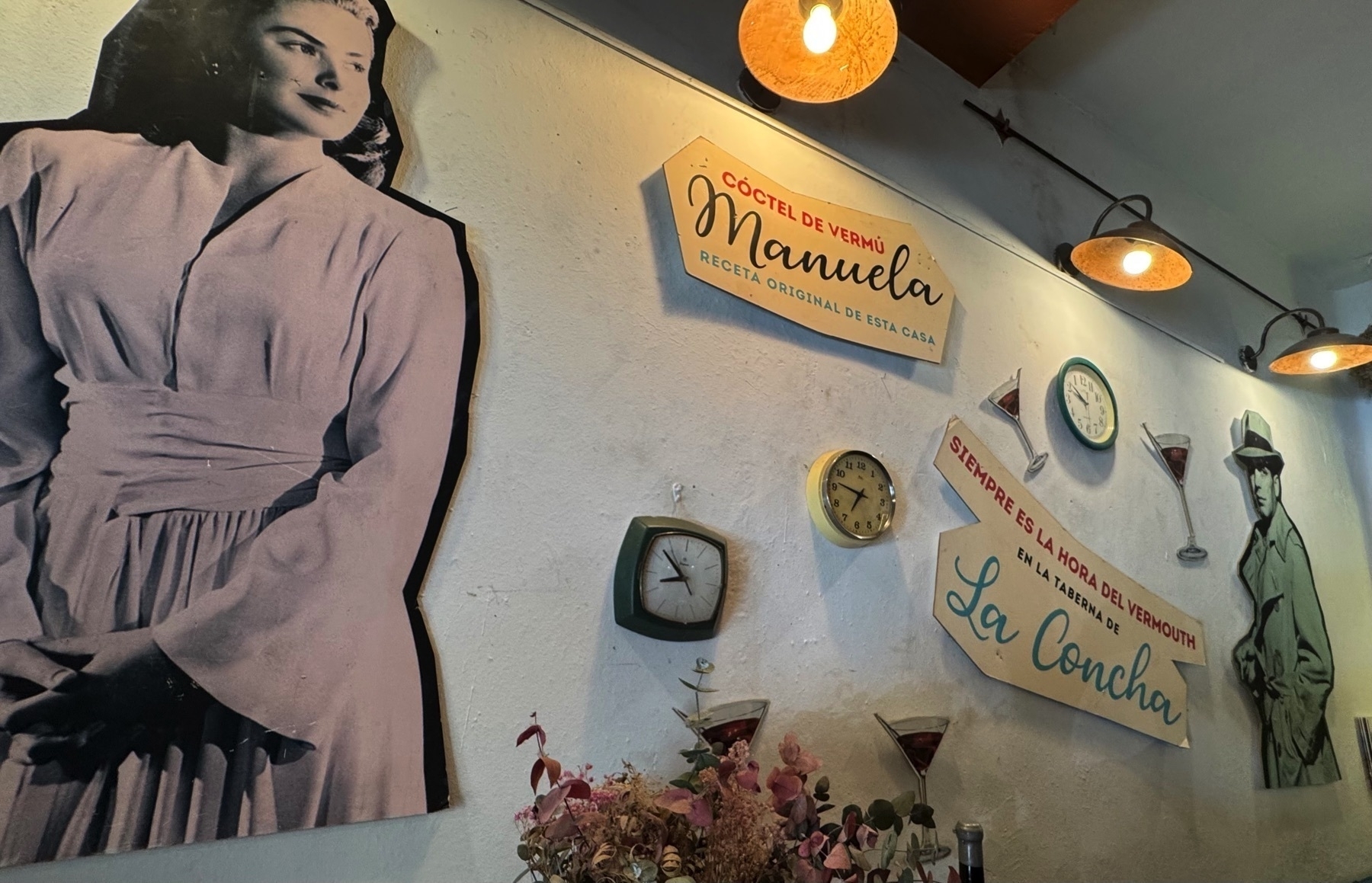
We went to Taberna La Concha a couple of times because we loved their pollo en curry rojo, ensalada de tomate y Mozarella (with a tasty honey-mustard vinaigrette), and tosta de salmón (with tzatziki). The waiters were fun and they always gave us chocolate truffles (for free) when we paid.
Trains in Spain
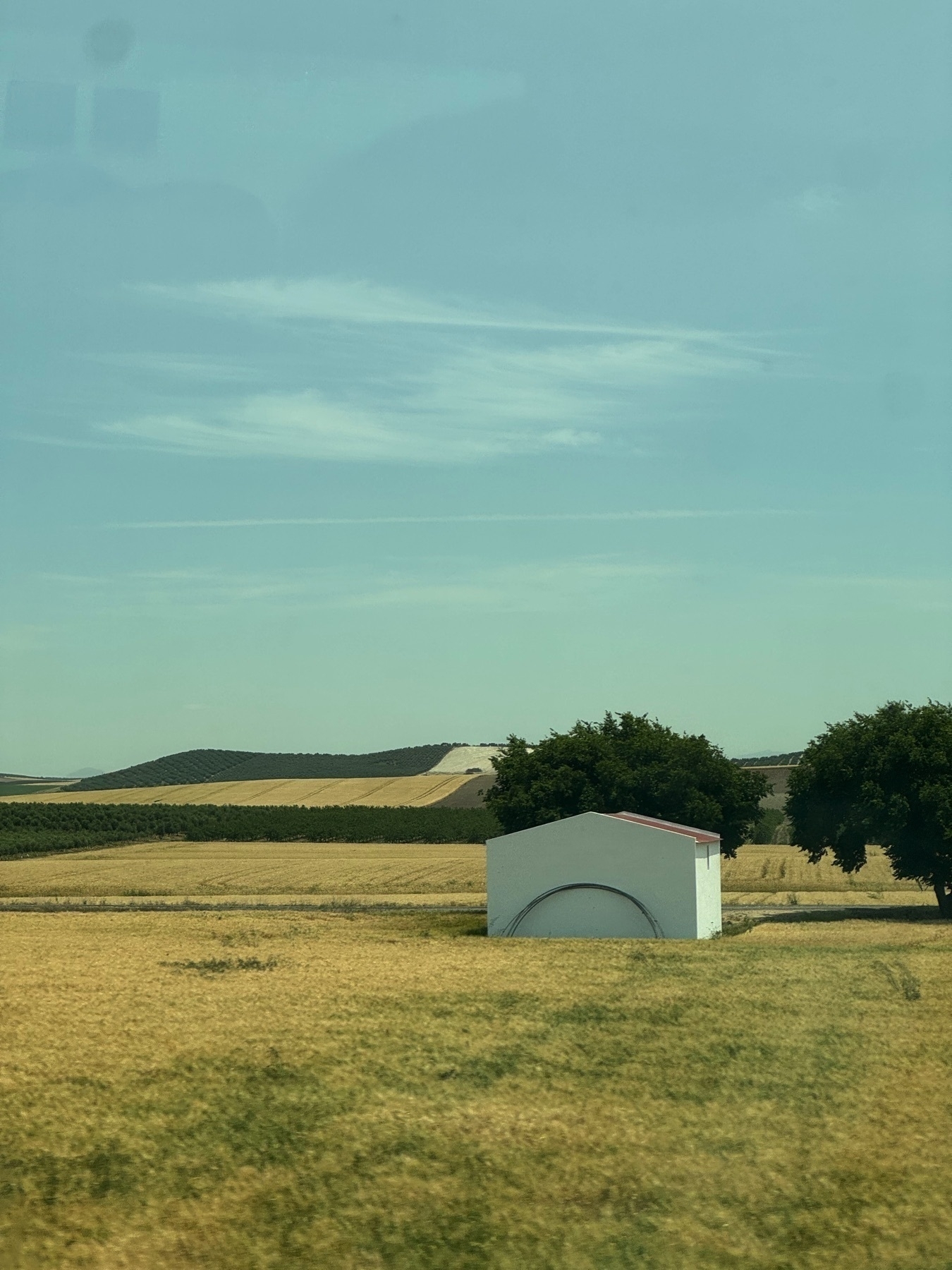
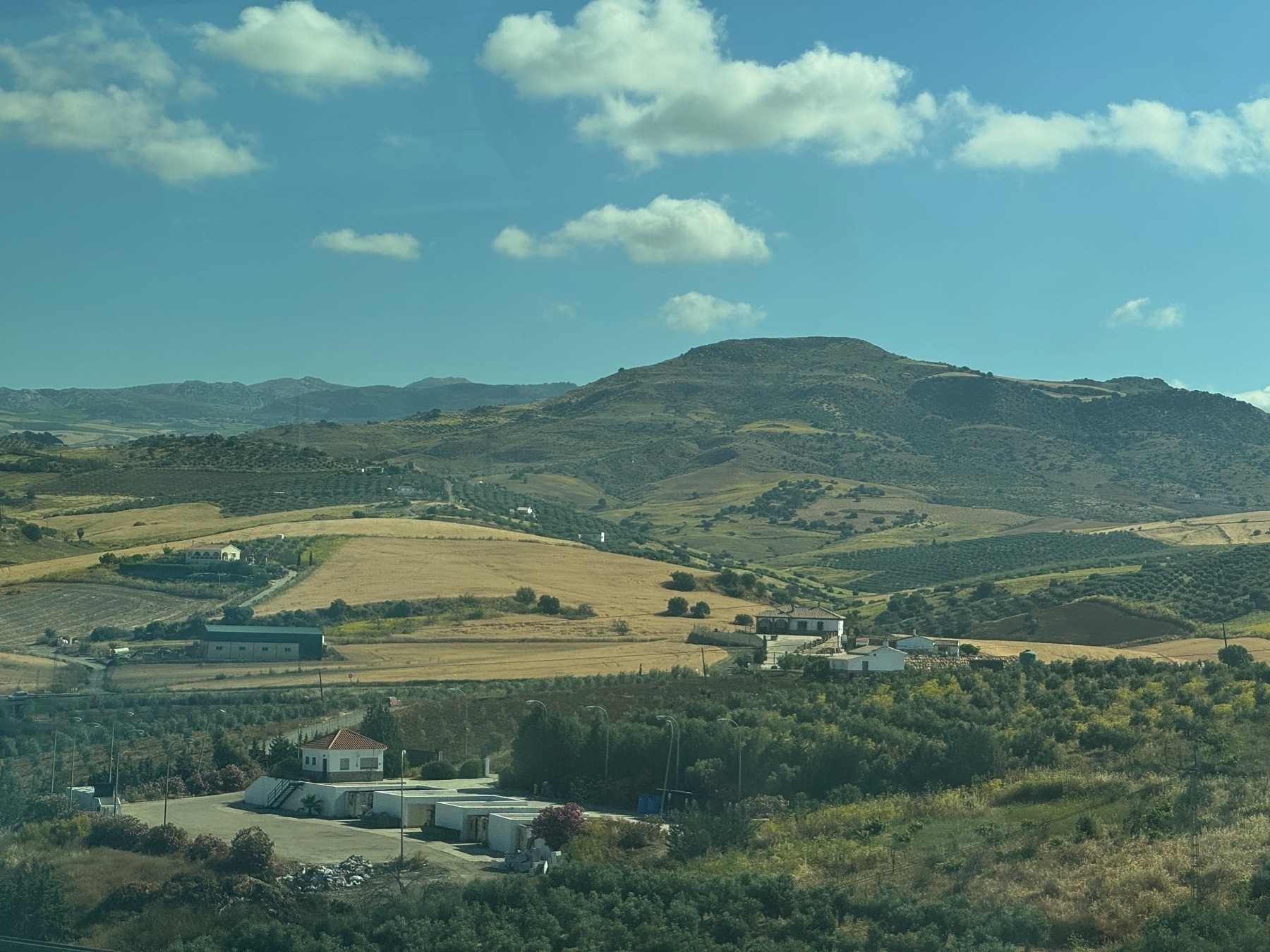
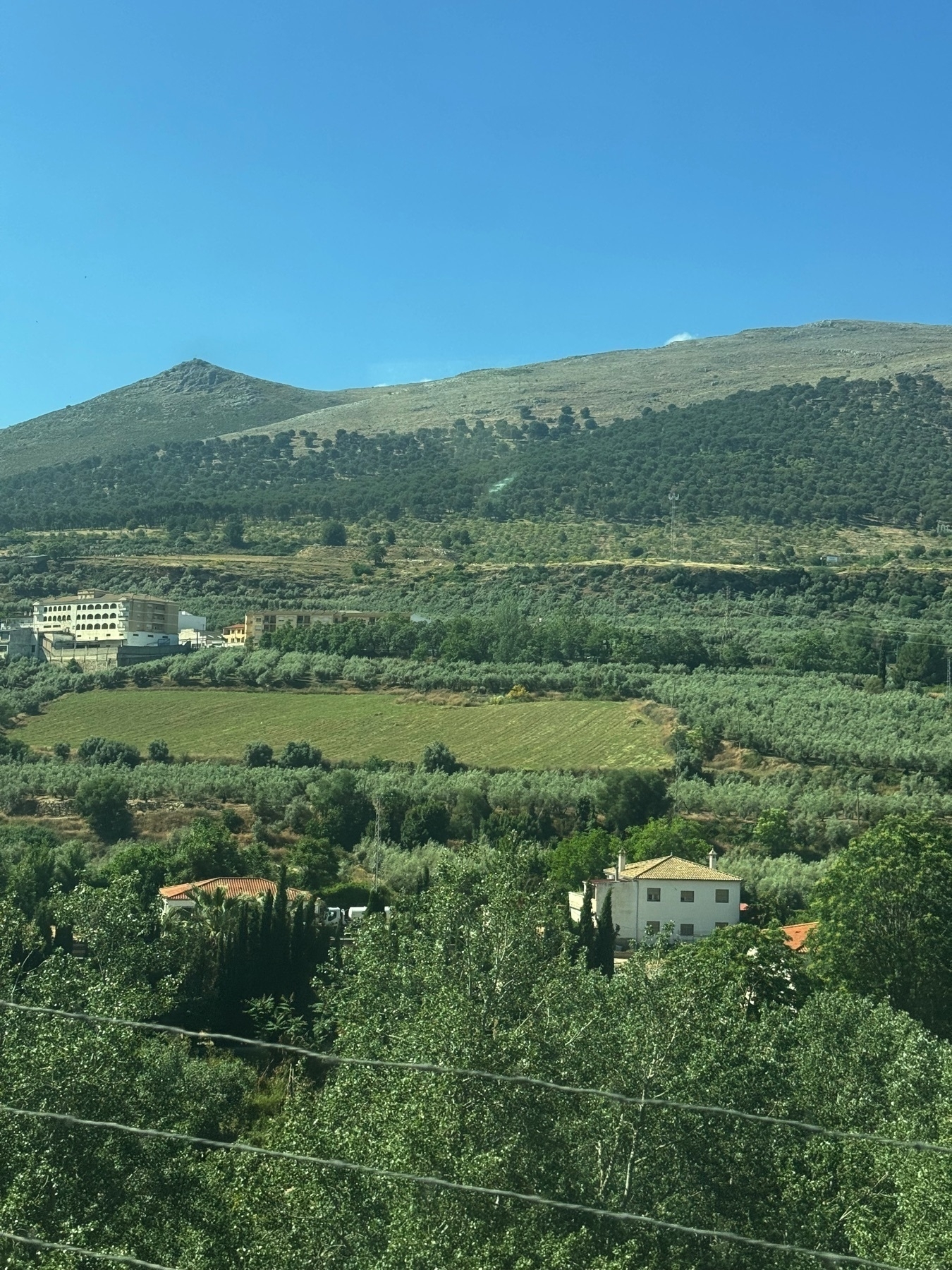
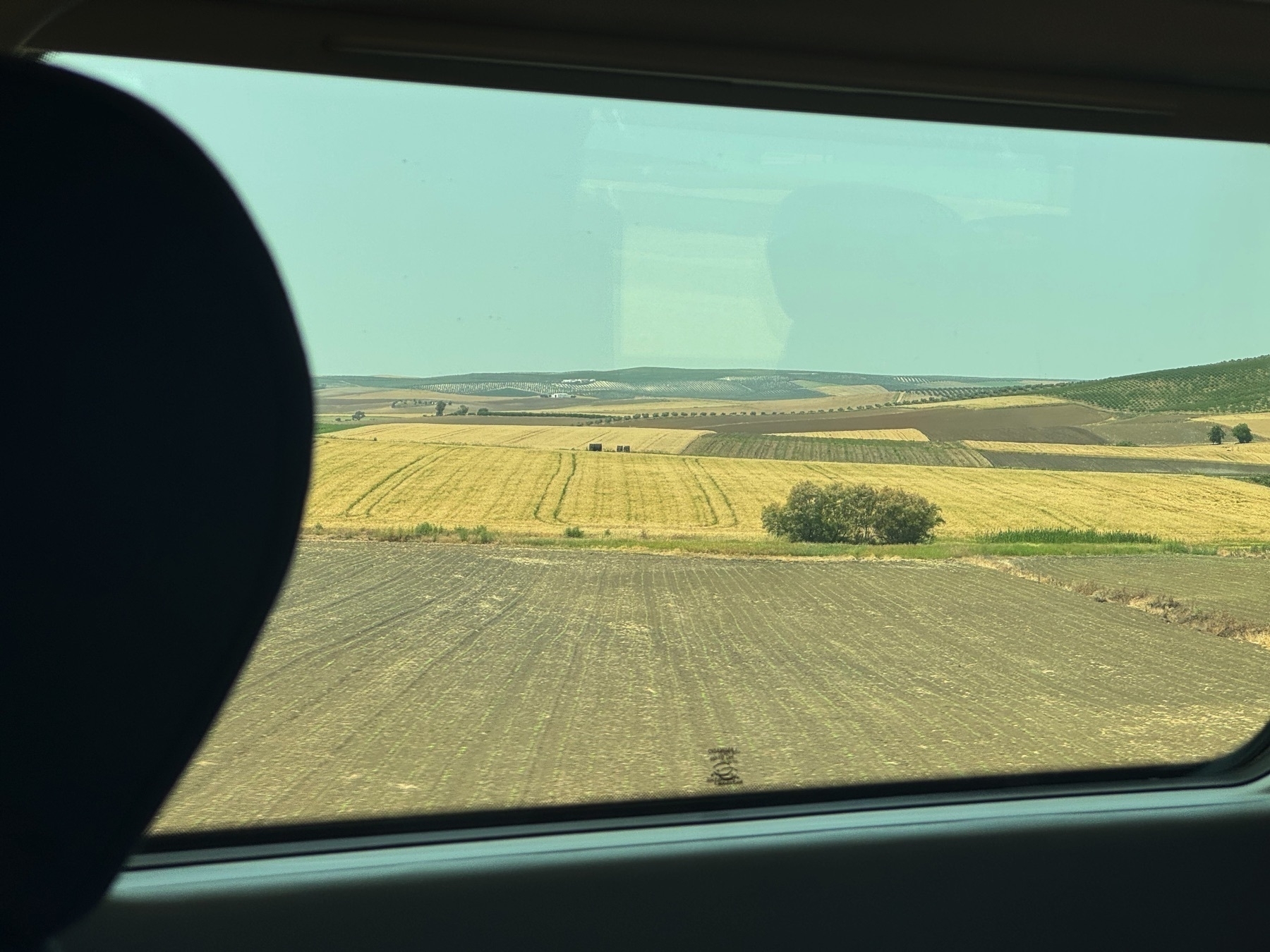
We took hi-speed Renfe trains between Sevilla, Málaga, and Granada.
The booking process online was straightforward enough. We booked all of them in advance so we could pick good times and select our seats.
Two of our three trains were delayed—I think the longest wait was another 30–45 minutes, so not too long.
Every station had security, but it was very light and just consisted of a metal detector and putting our bags through a machine. No taking electronics out, no taking off shoes, etc.
All of the stations had at least a little cafe from which to grab something to eat, which was nice.
Overall, I’d definitely recommend taking the hi-speed trains to get around! They are slower than flying but more convenient in just about every other aspect.
Granada
Granada was a cute college town with beautiful sights and a unique tapas culture.
These are all the posts I made about the city:
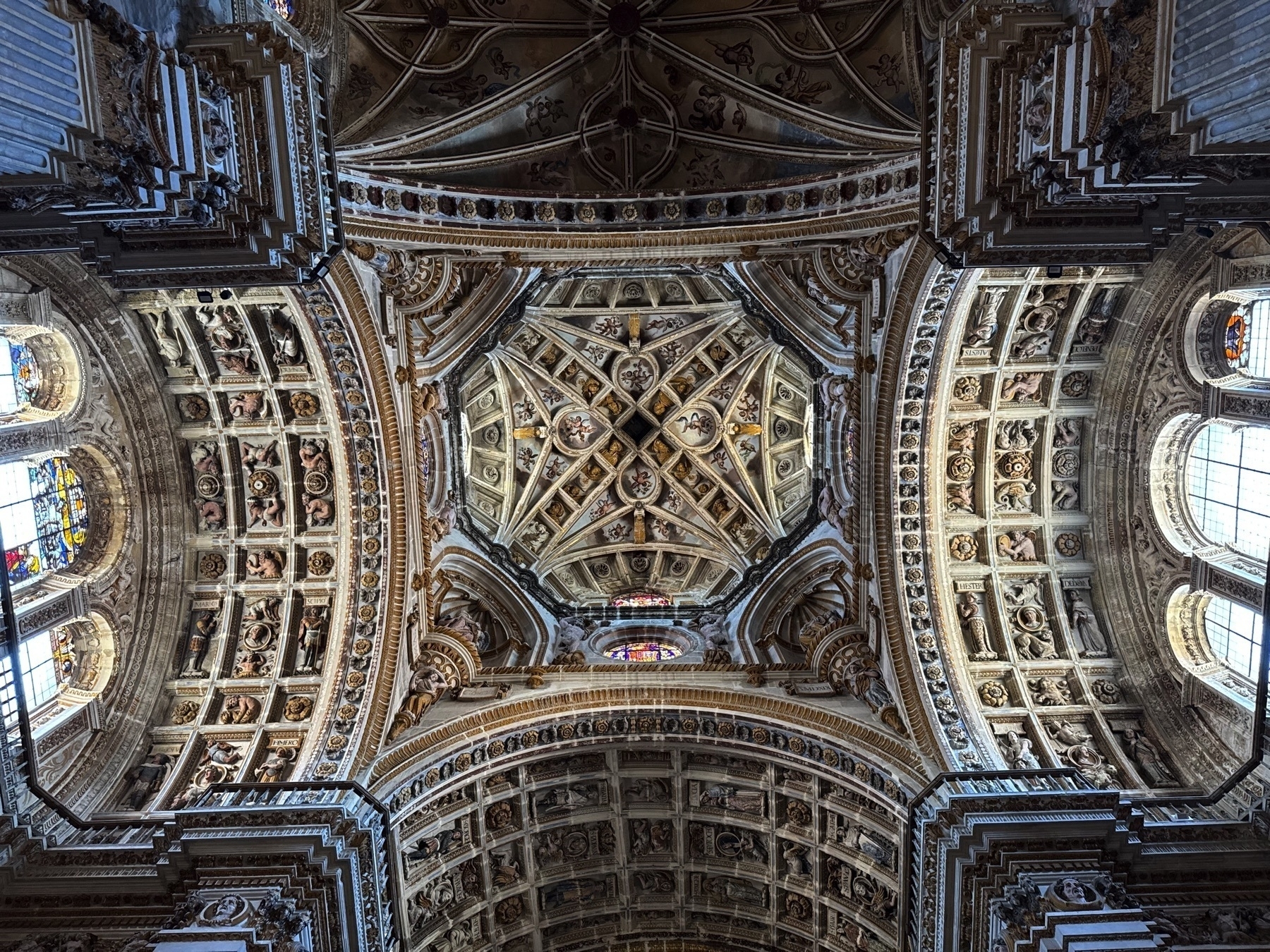
- Monasterio de San Jerónimo (a 16th-century monastery)
- Restaurante Oliver (one of our favorite restaurants)
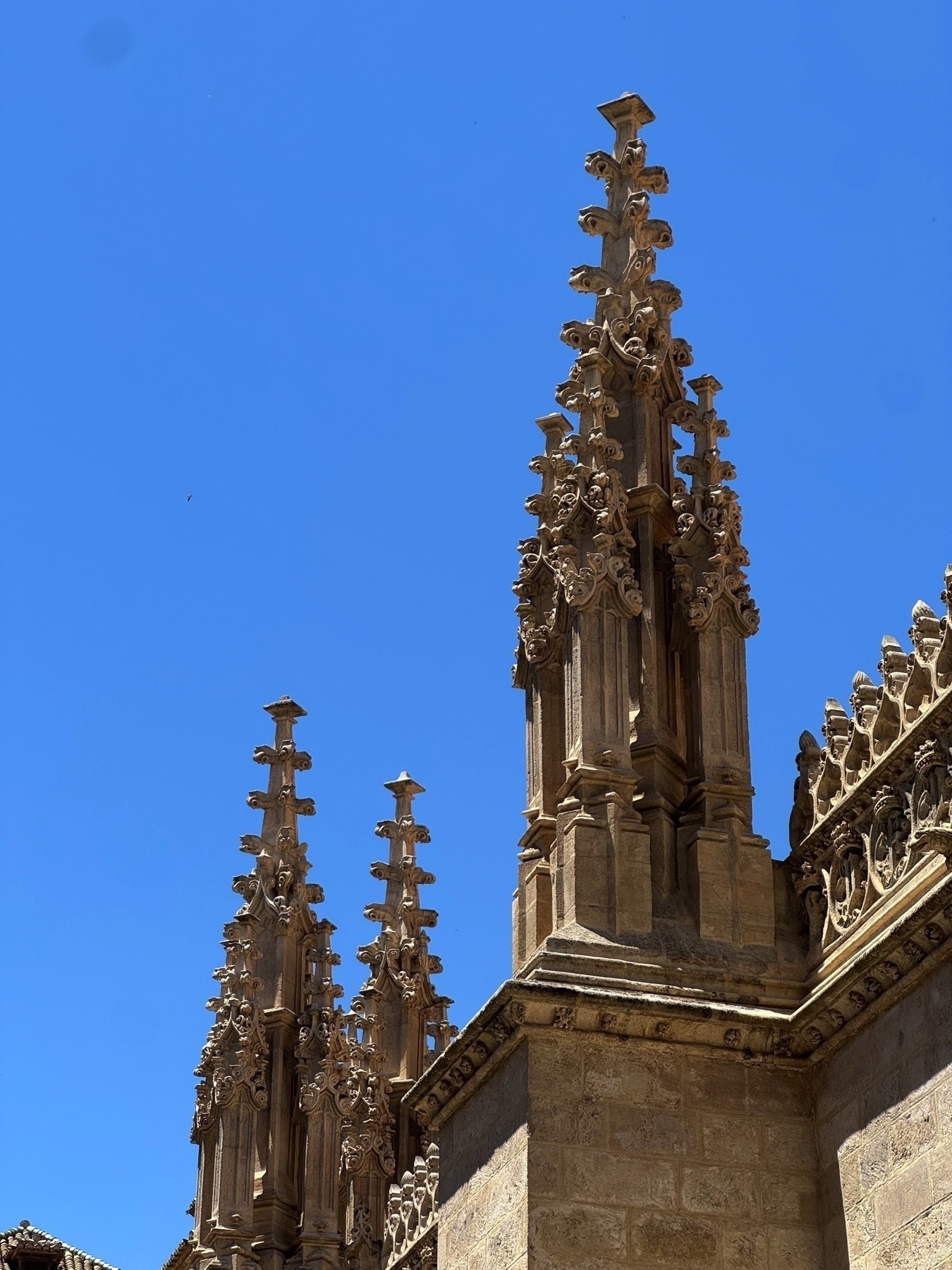
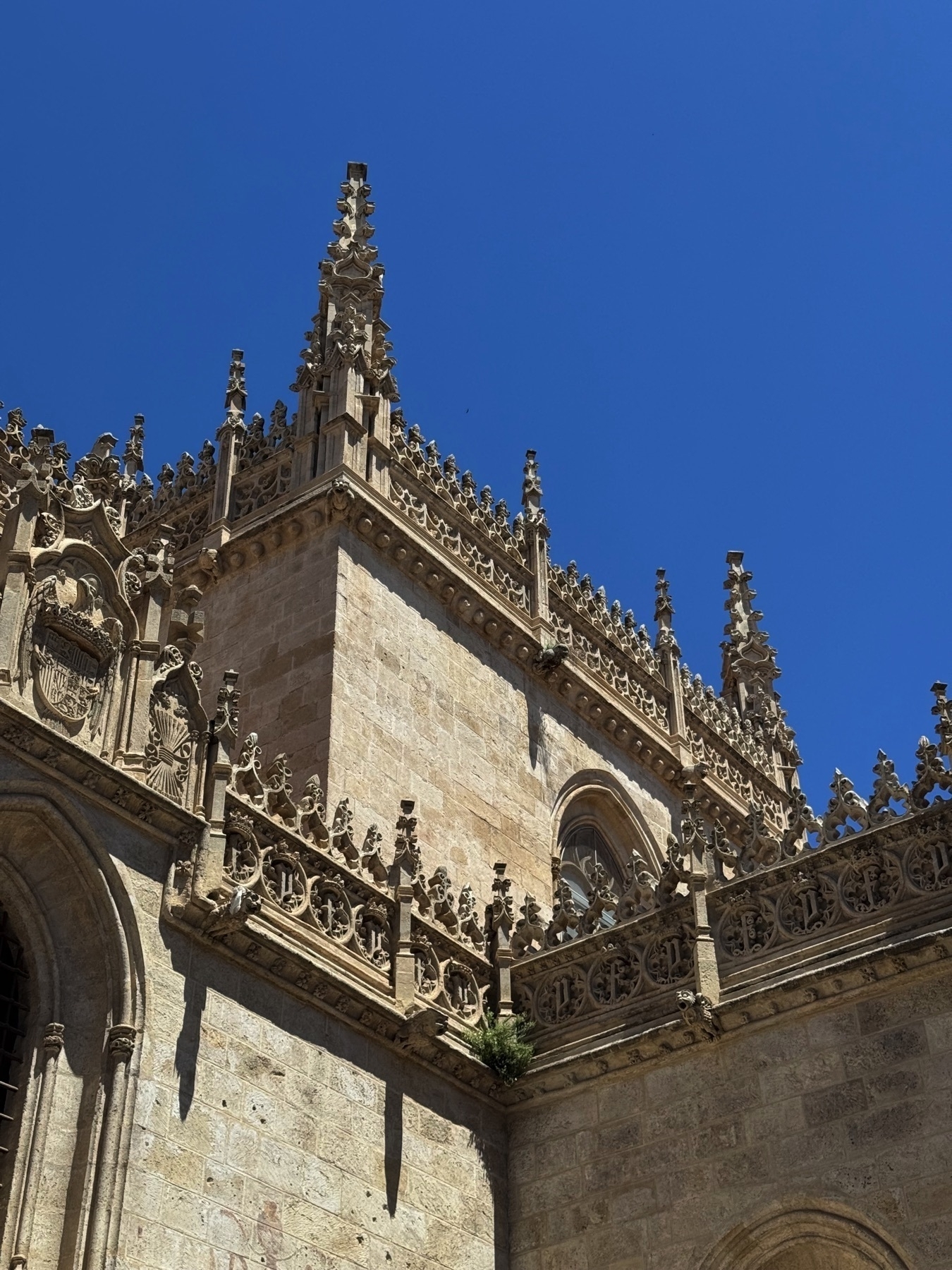
- Catedral de Granada (enormous inside and beautiful)
- Rincón de Rodri (delicious seafood)
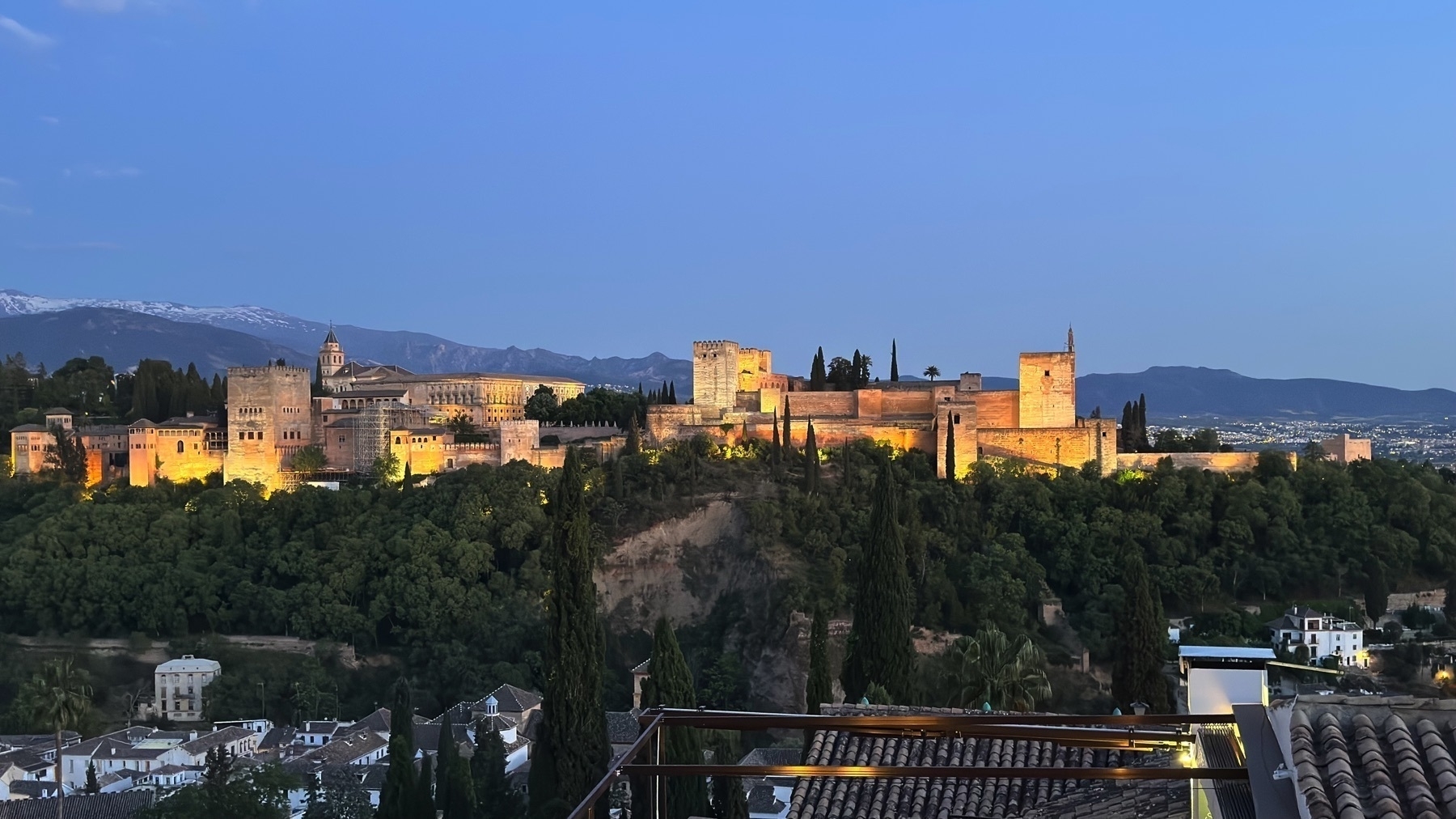
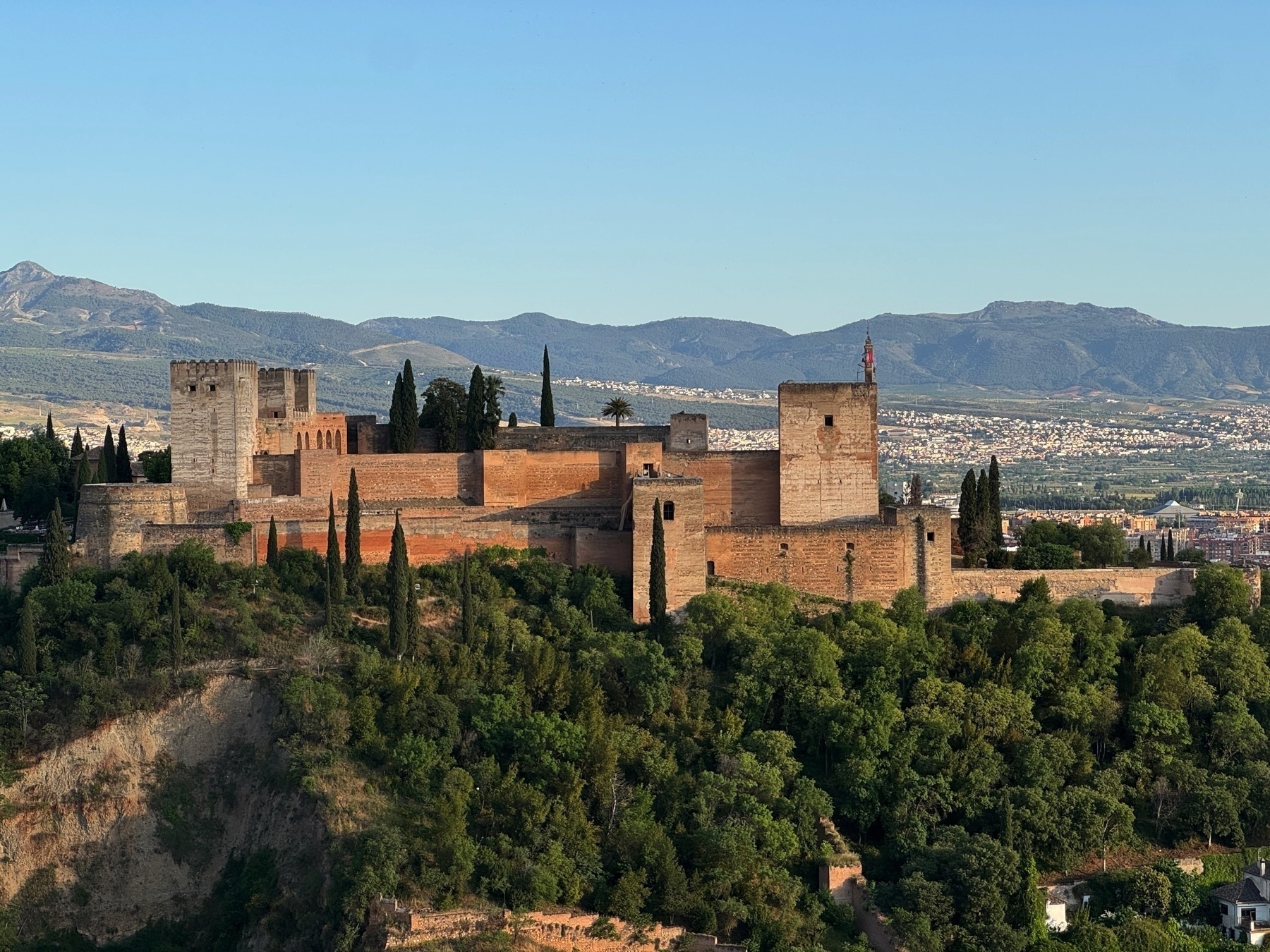
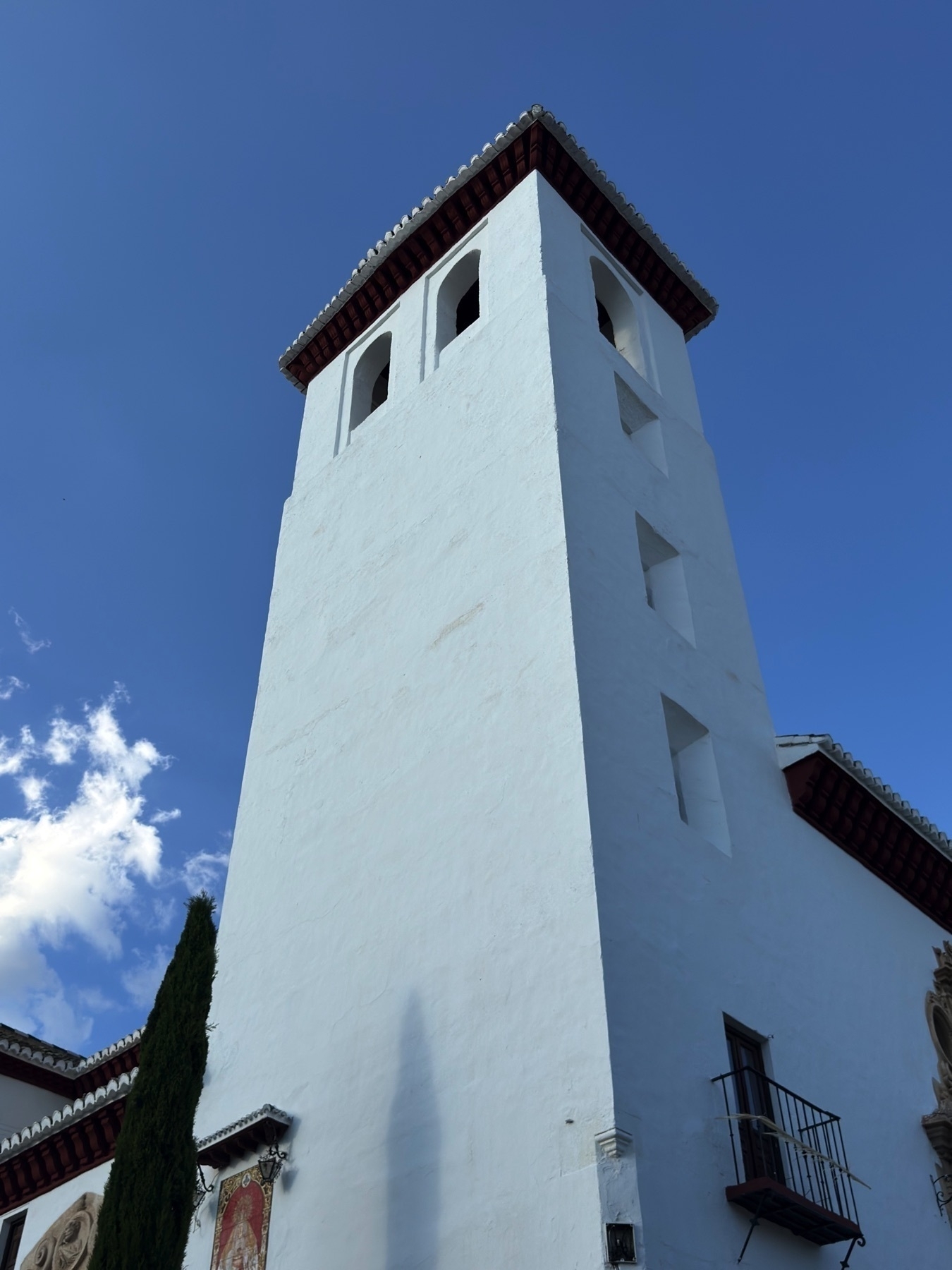
- Iglesia de San Nicolás (best view of the Alhambra)
- Mirador de San Nicolás (second best view of the Alhambra)
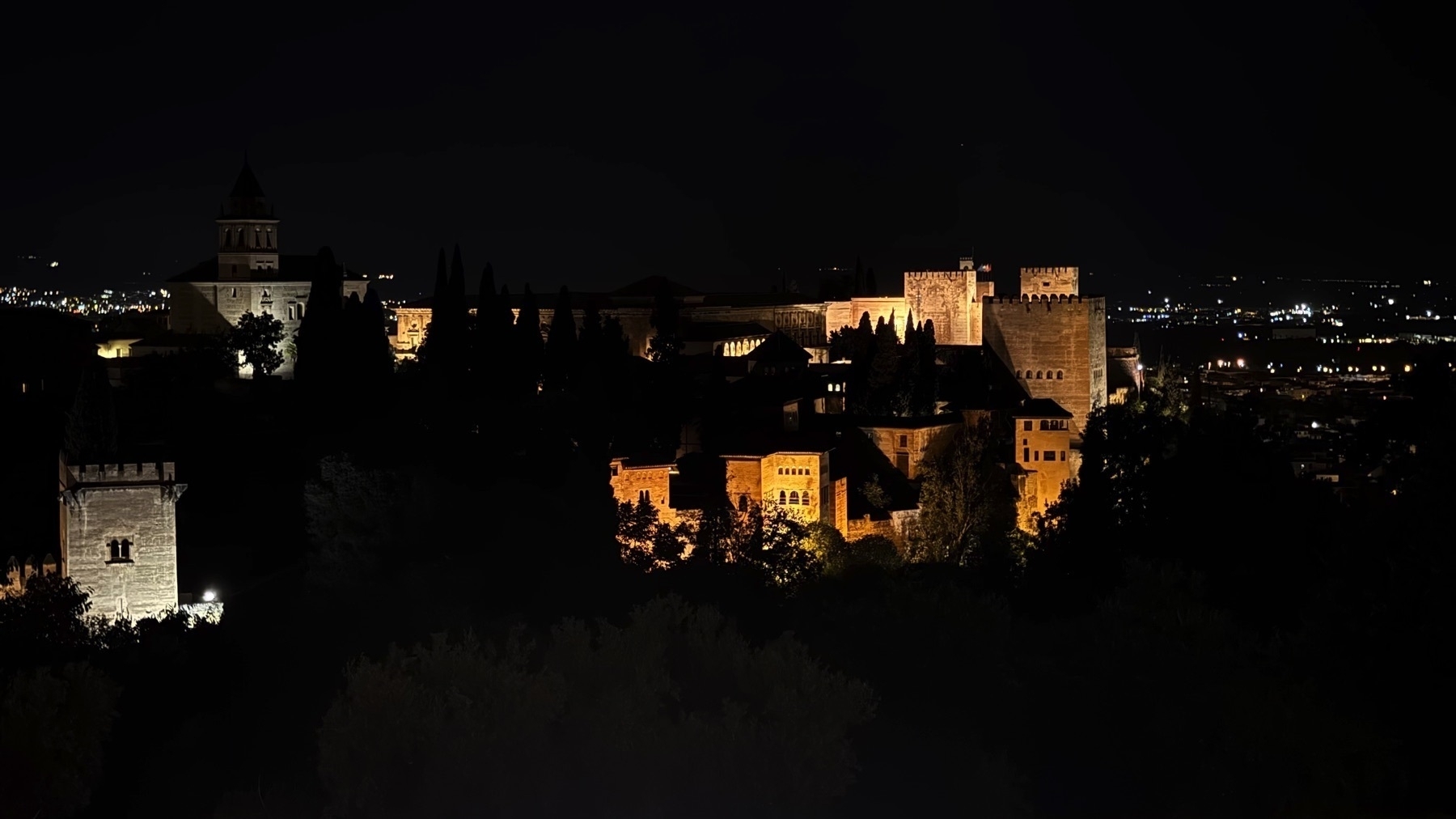
- Jardines y Generalife (beautiful gardens with ornate architecture, right next to the Alhambra)
- More food shoutouts (Amistad Hotpot, Taberna Andaluza, Venga Vino, and Mítico Bar)
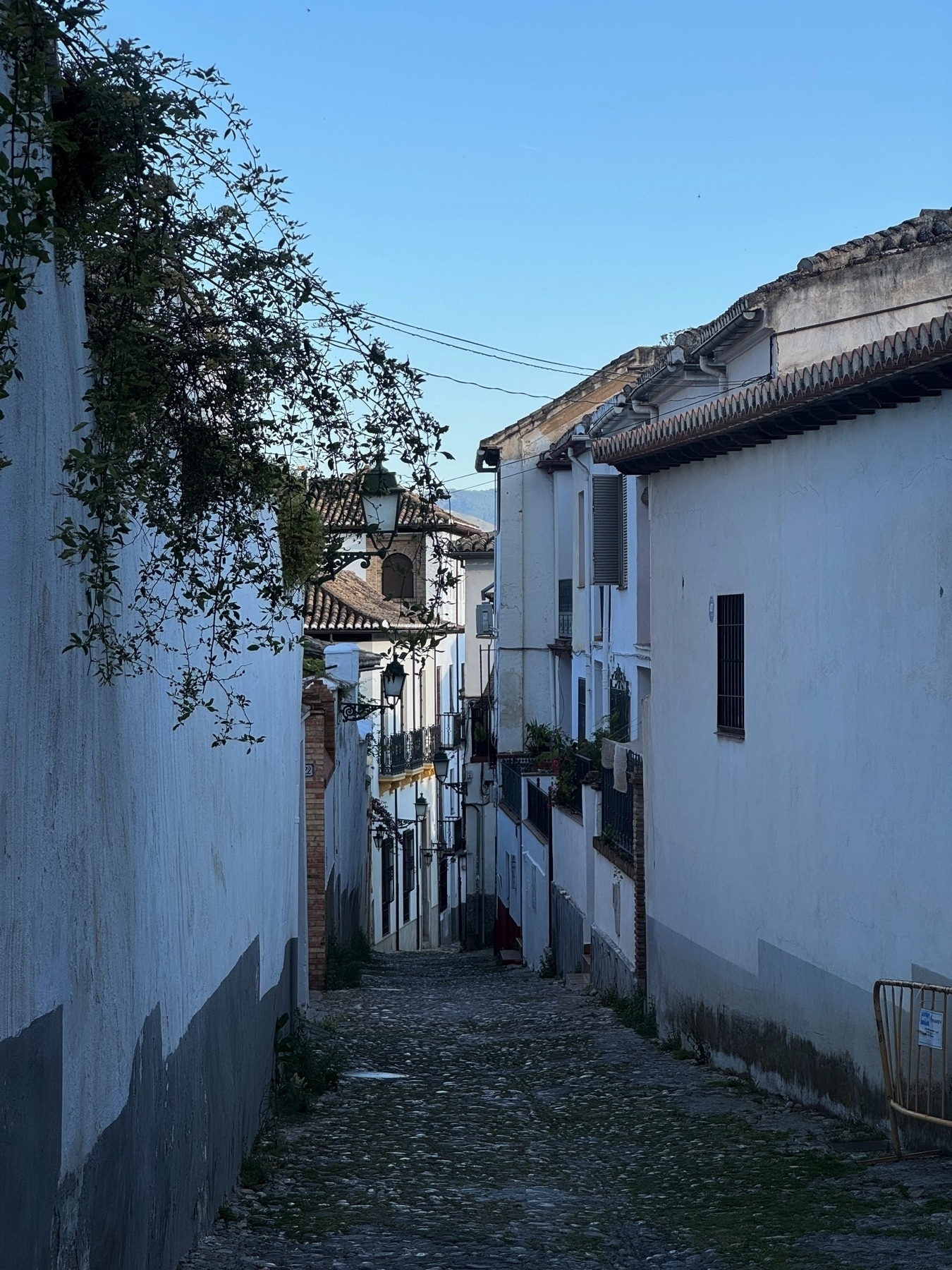
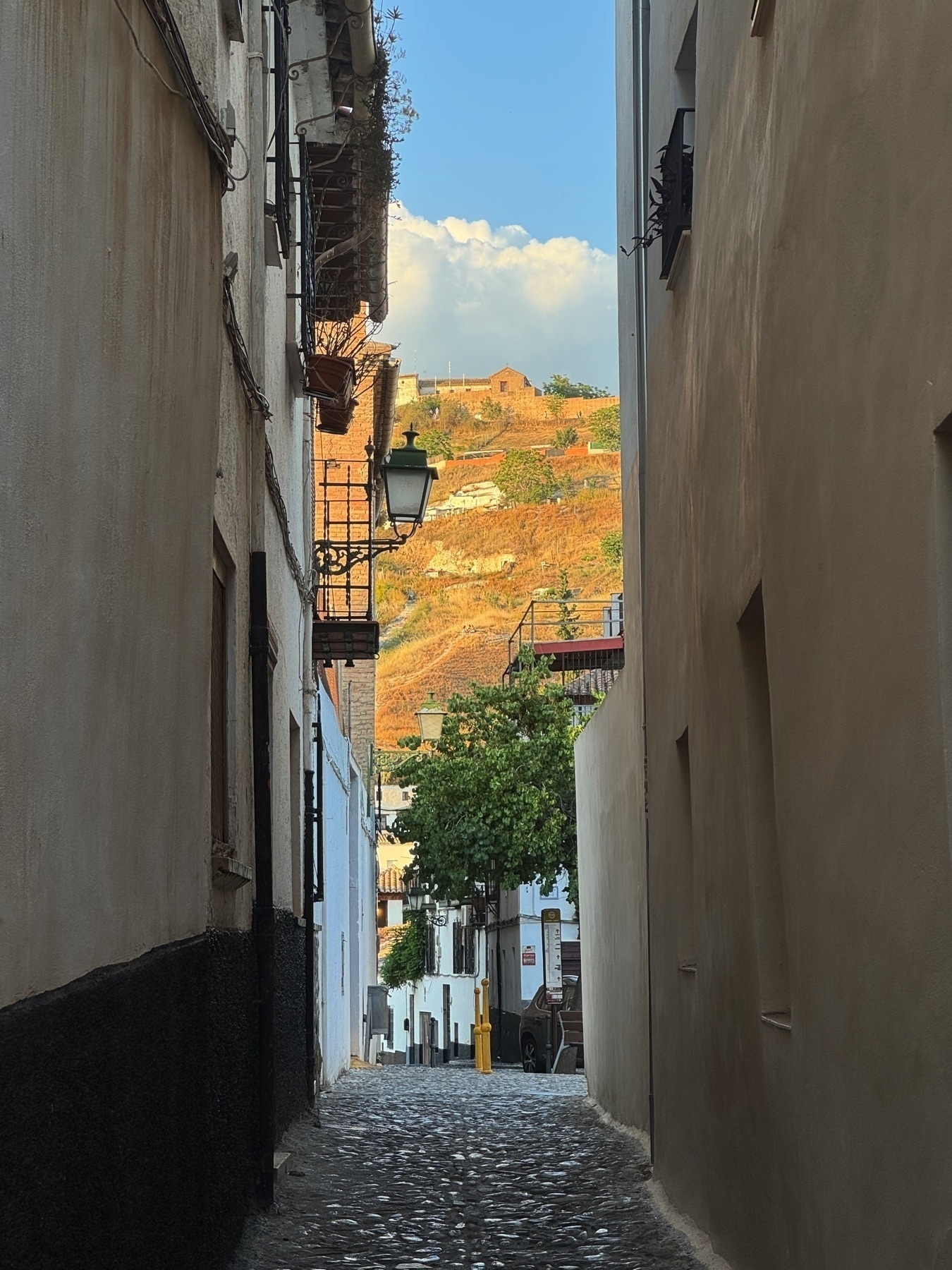
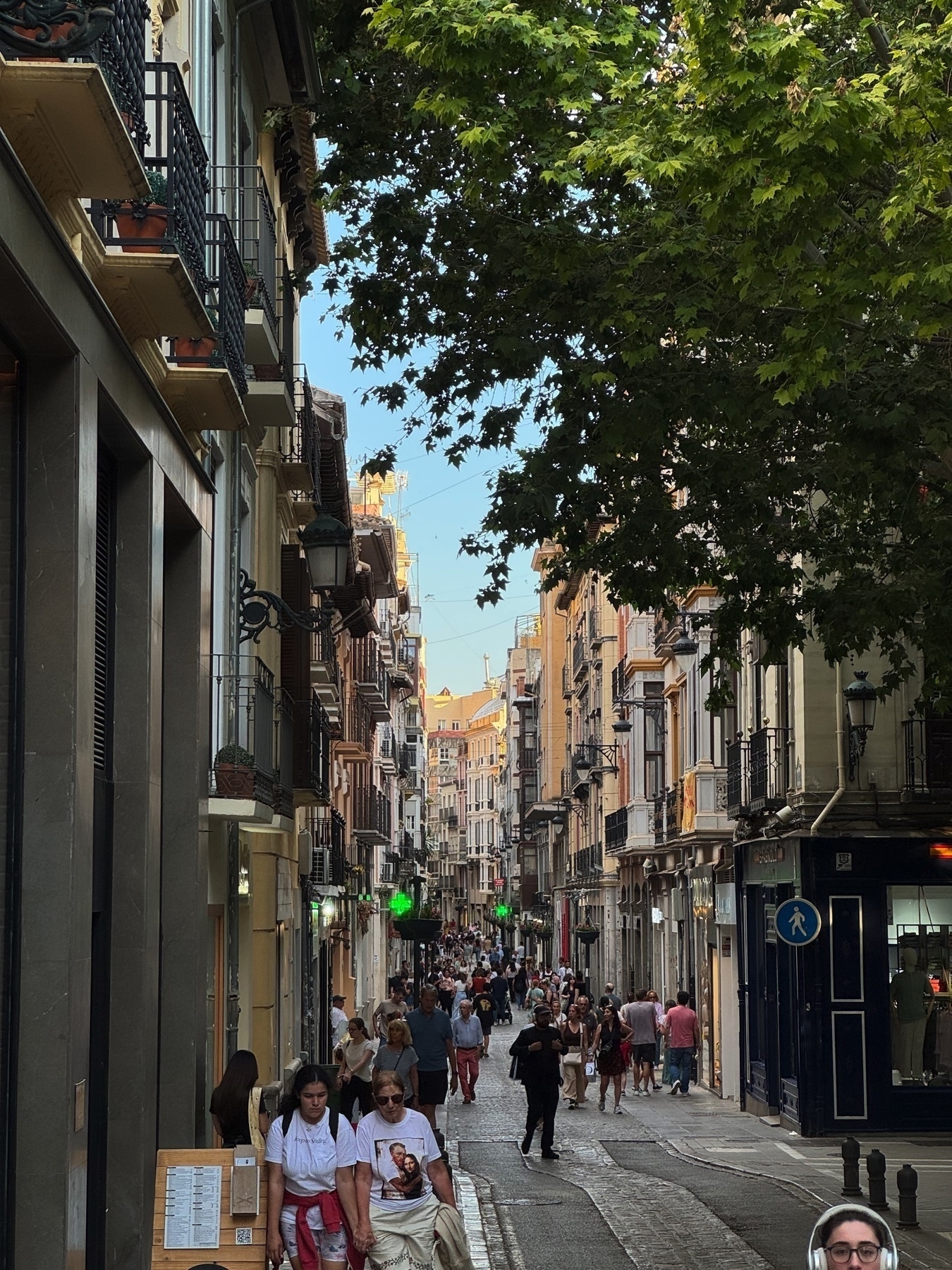
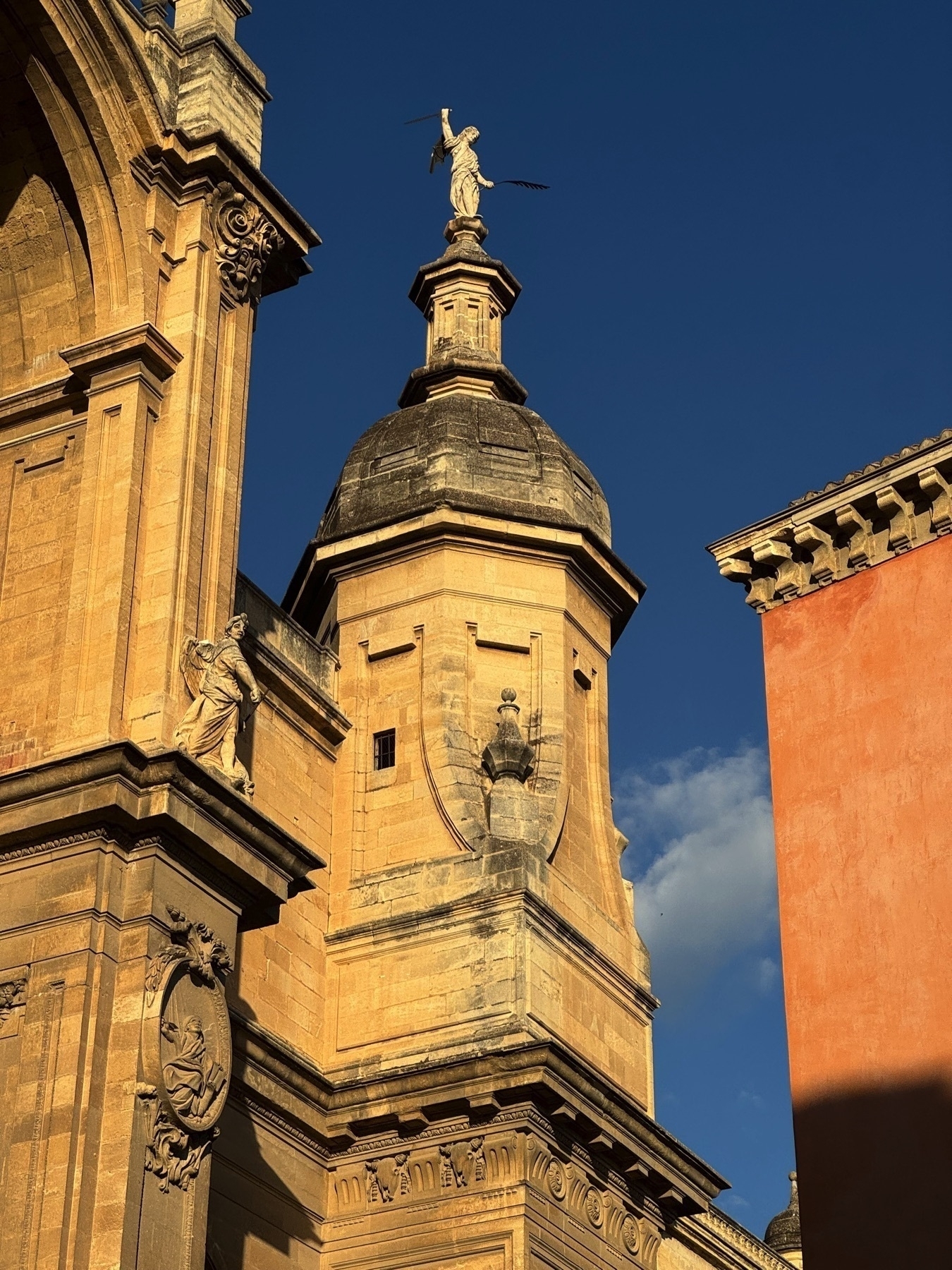
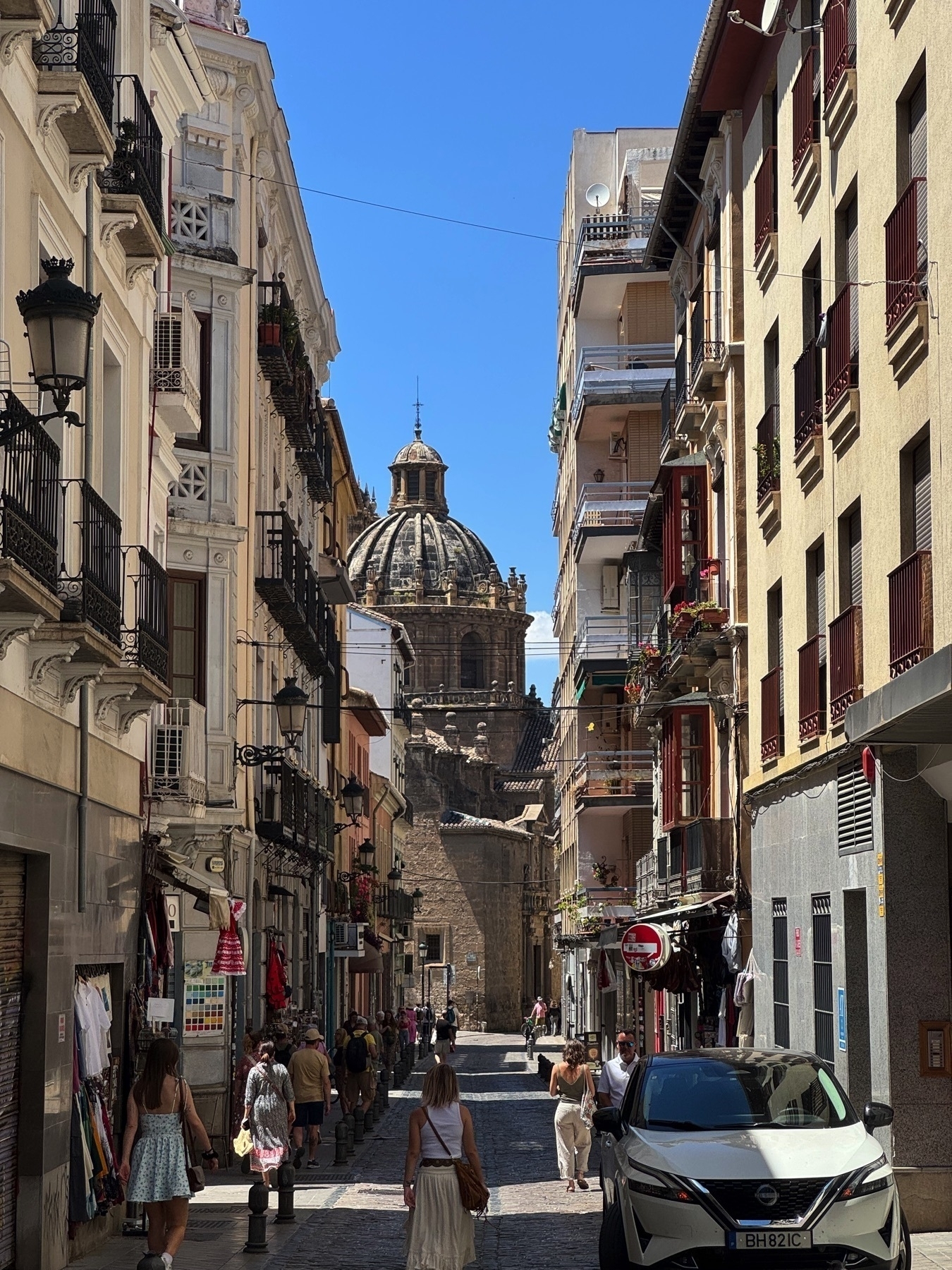
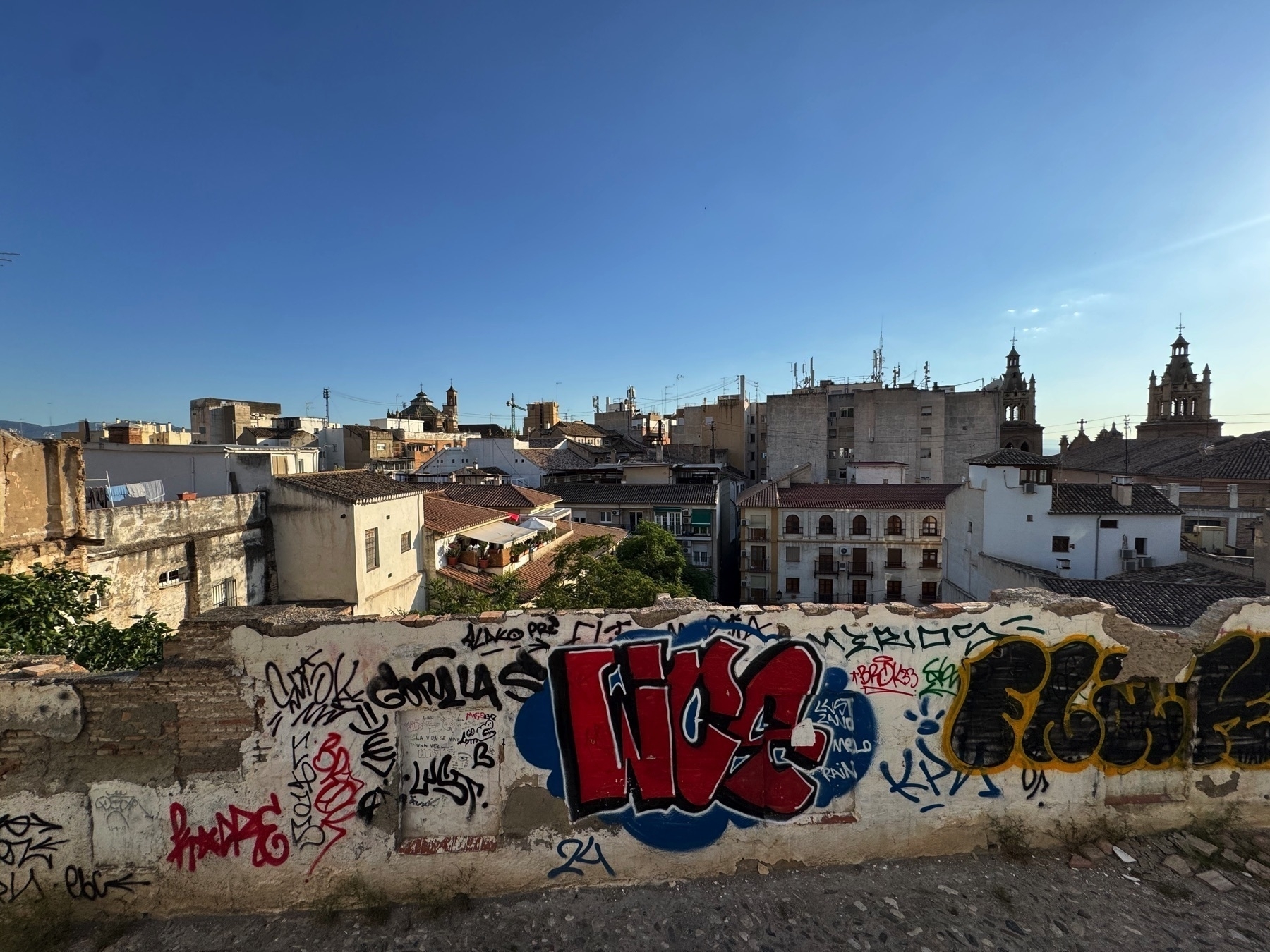
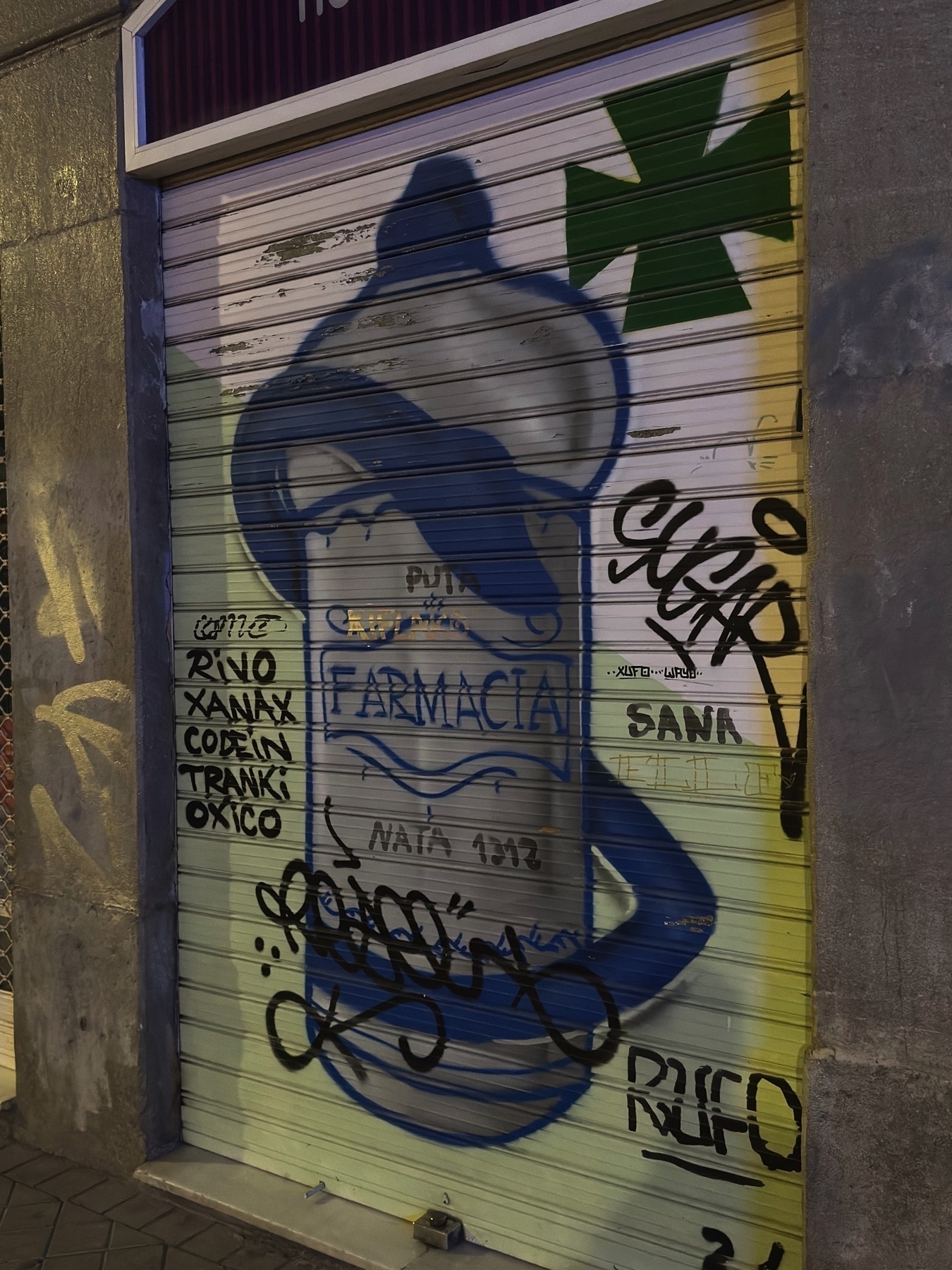
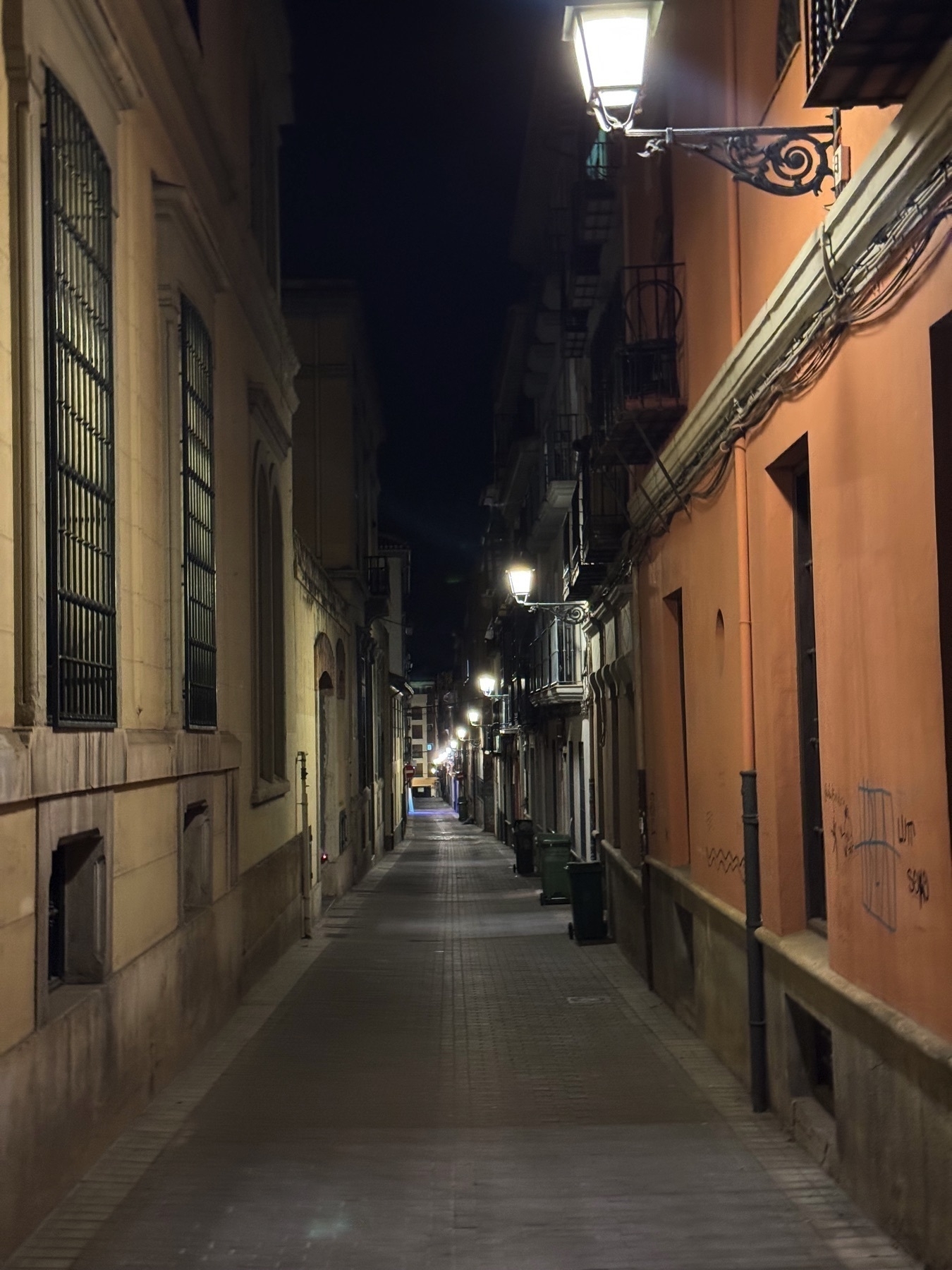
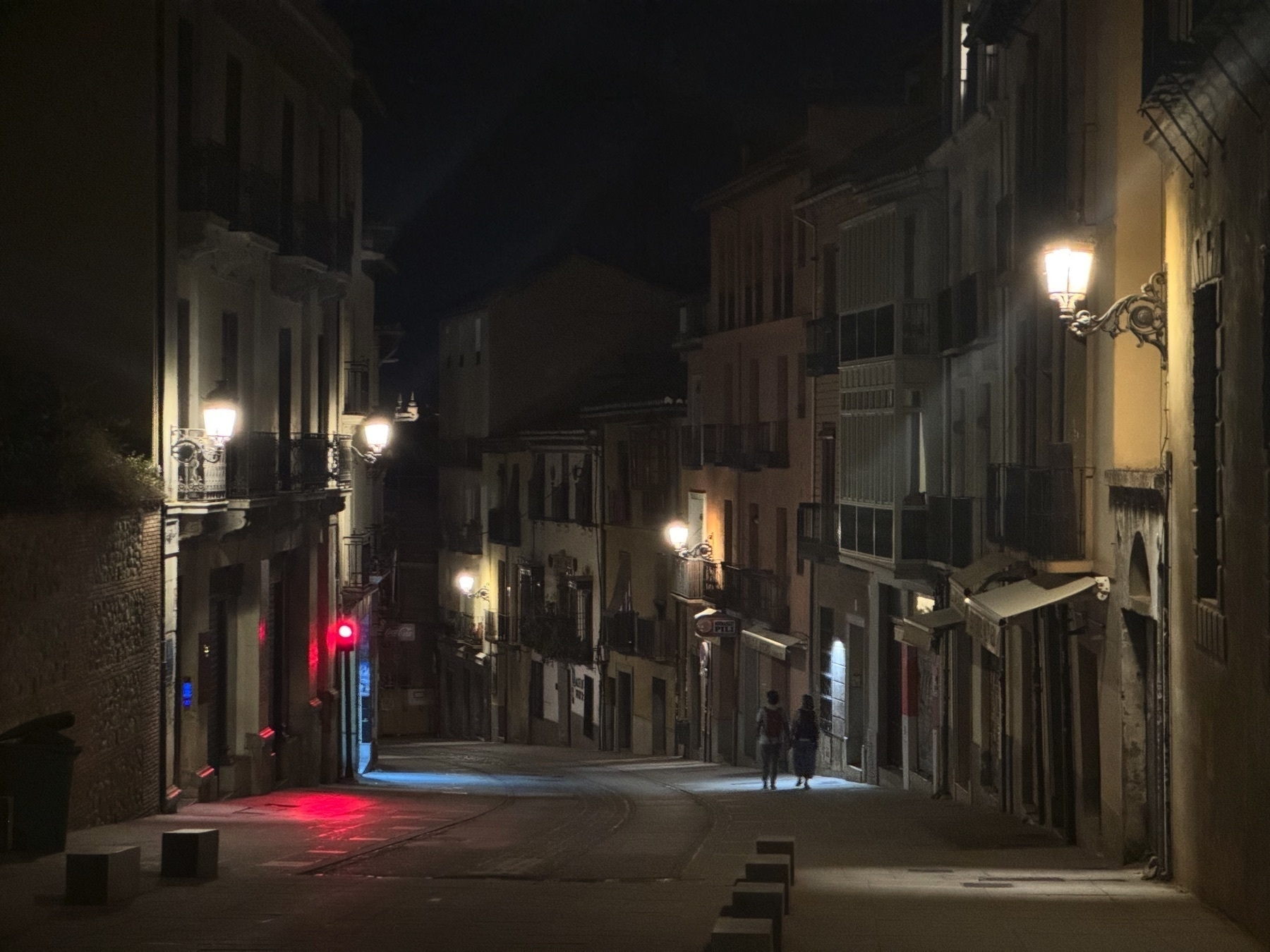
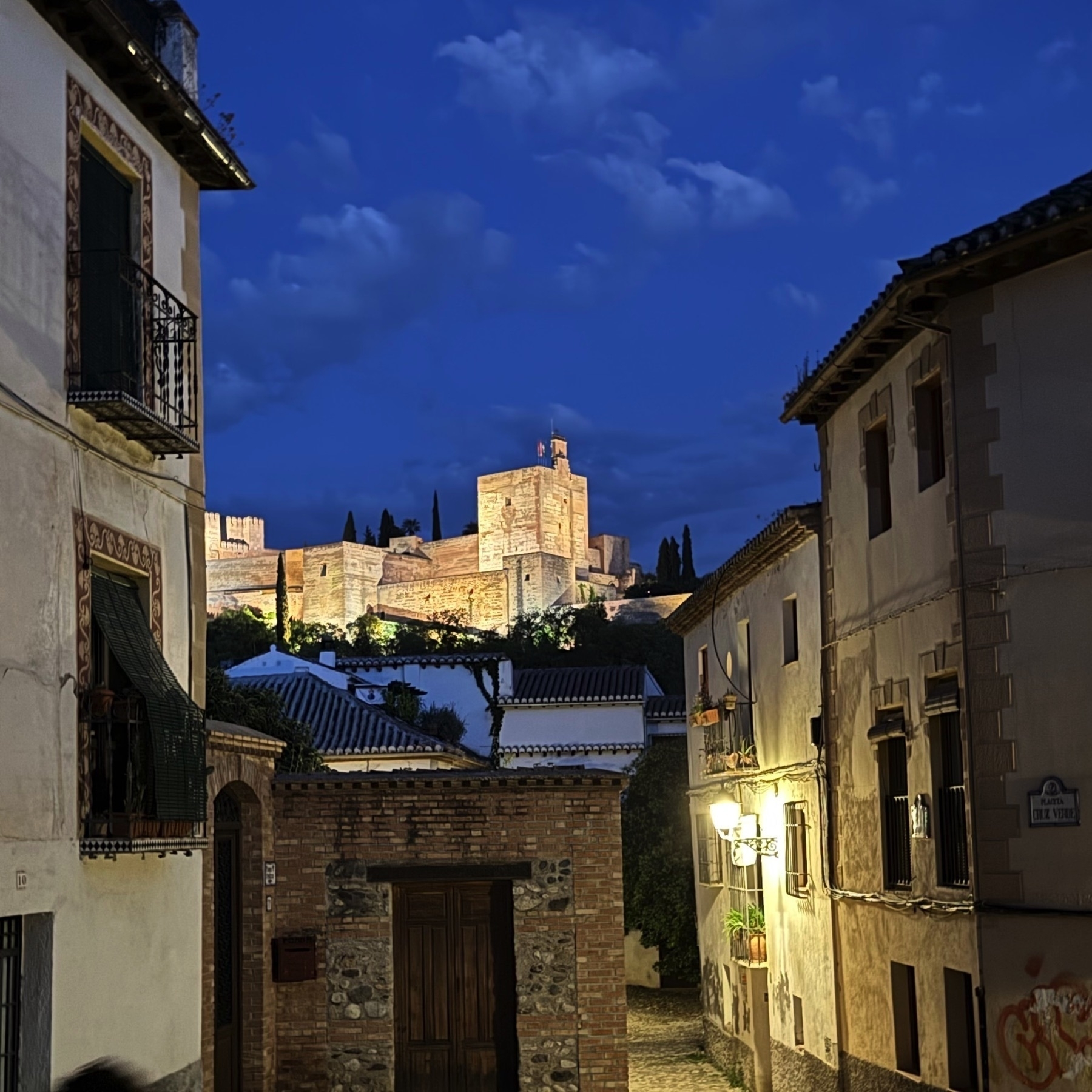
- Walking around the city (photos of landmarks, random streets, etc.)
I loved the unique tapas culture here, where basically every round of drinks comes with a “free” tapa (some of the prices are a little higher)—if you’re cheap and out to drink, you could get away with eating for free. We never intentionally did this because we wanted larger portions and not to drink so much, but it was fun to see what each restaurant would bring out first for free.
We only went back to one restaurant multiple times (Restaurante Oliver), but we were also only here for four nights, so we didn’t have as much time for repeats. I wish we had been able to go back to Rincón de Rodri, and there were still more places in my Apple Maps guide that I wish we had been able to visit.
On separate nights we walked up to the Mirador de San Nicolás and Jardines y Generalife; both were a good workout. I’m bummed we didn’t get to go into the Alhambra itself, and I’d want to return and make sure we got tickets for that.
Our Airbnb near the city center was great, and the city was relatively small anyway so it was easy to walk around. We never used the bus system because we walked from the train to our apartment.
Overall, I’d love to come back to Granada to see the Alhambra and experience the unique tapas culture again.

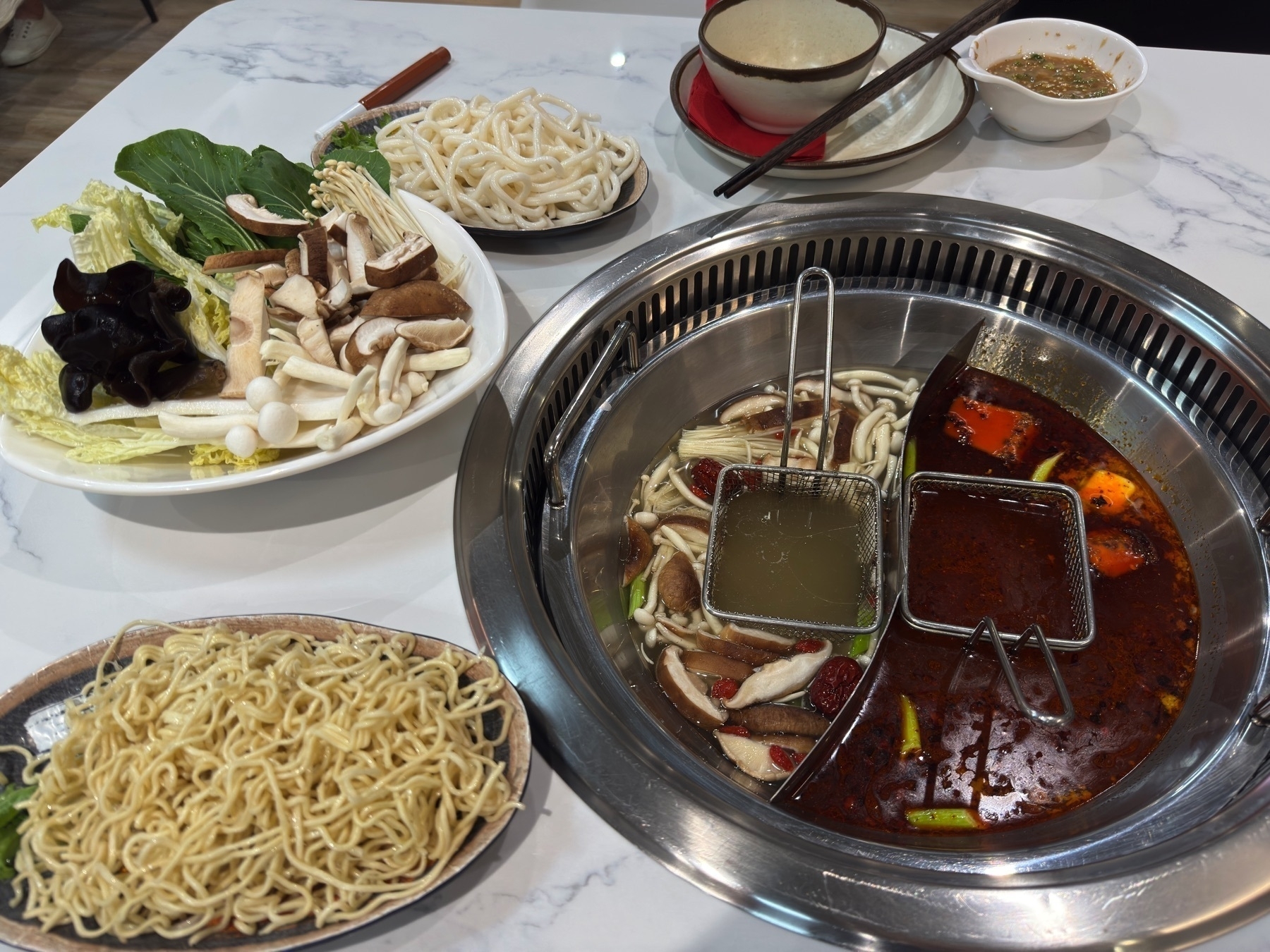
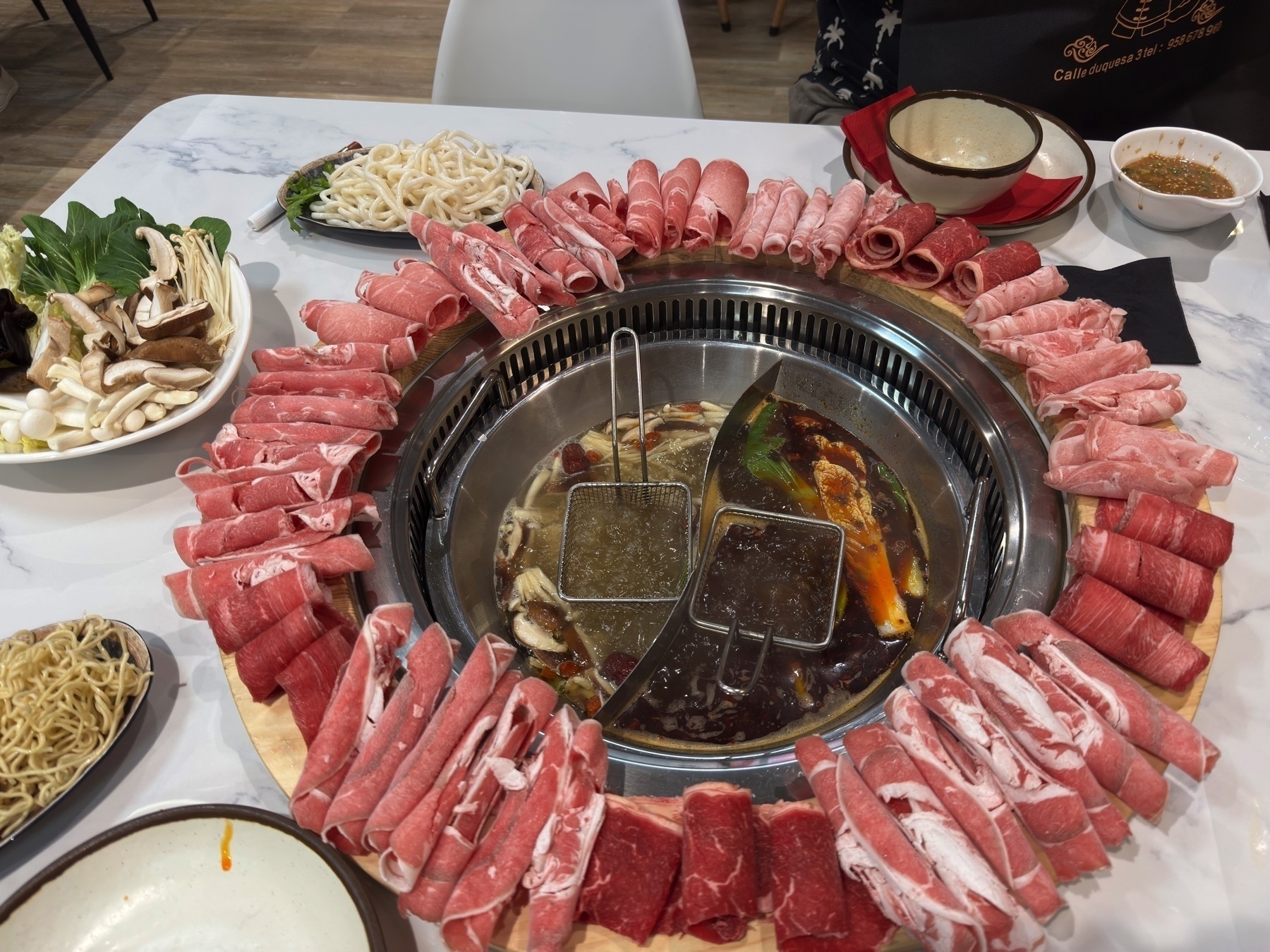
After three weeks in Spain, we got Hotpot (photos 1–2) and it was delicious.
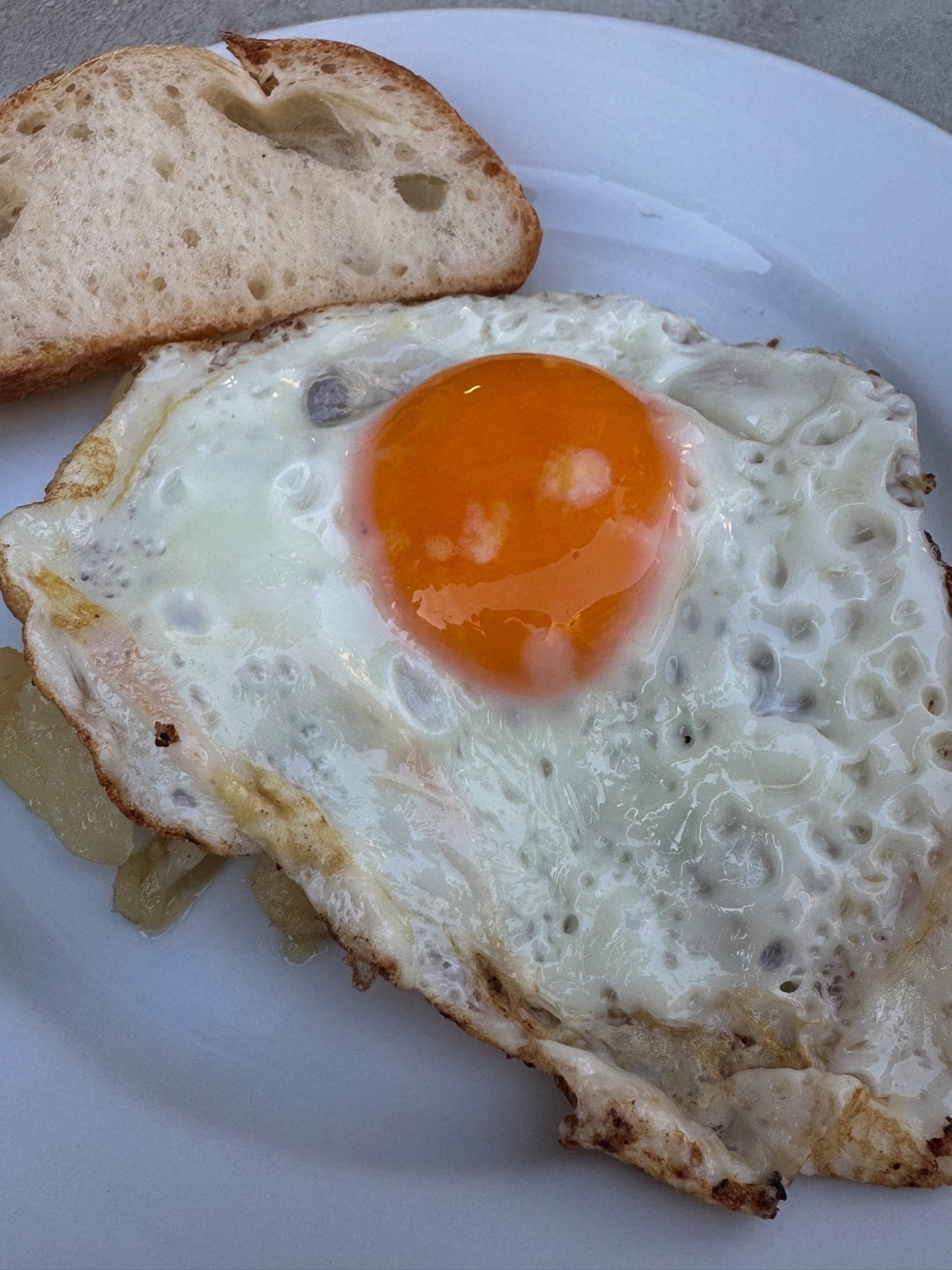
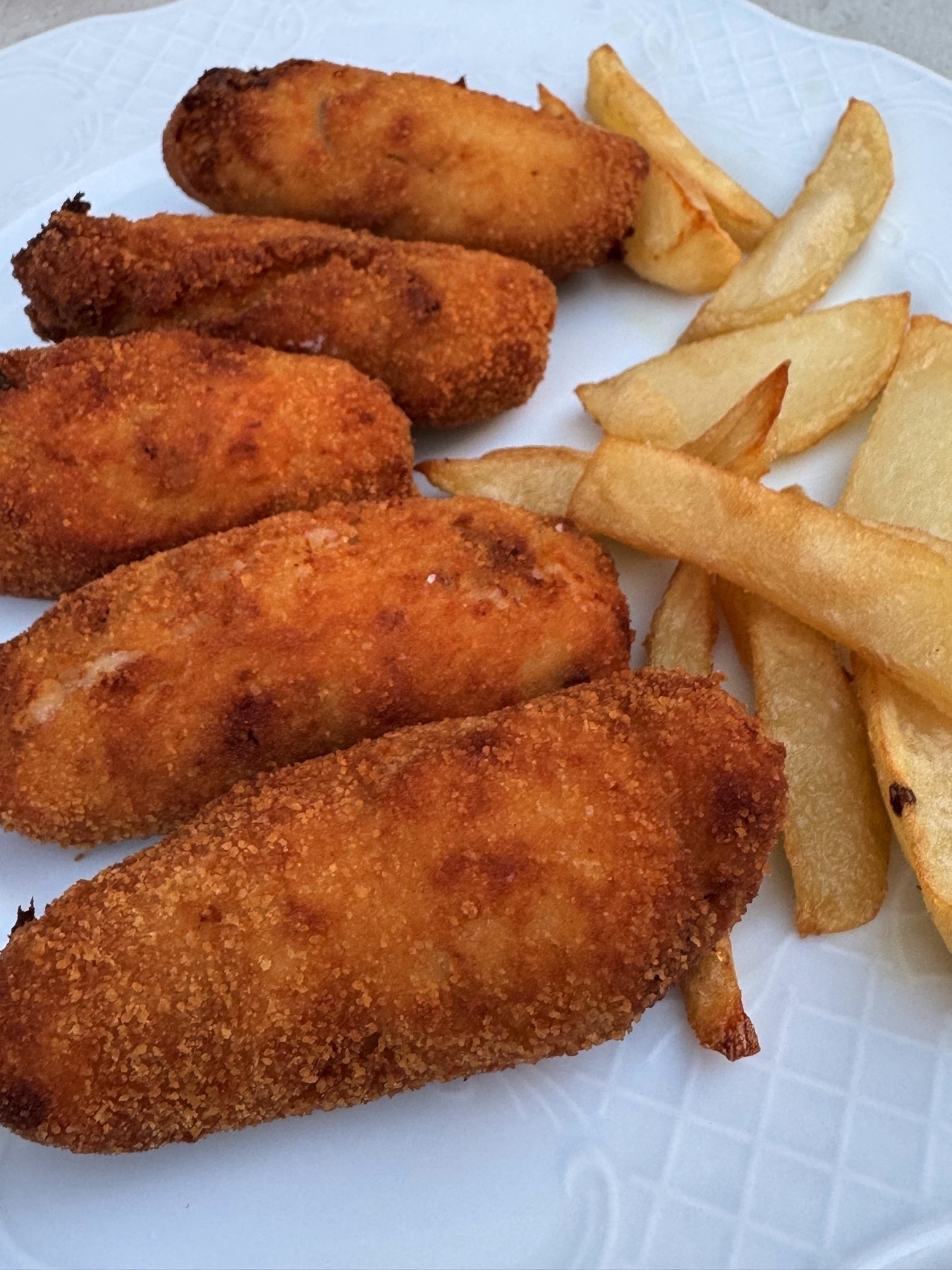
Taberna Andaluza (3–4) served us potatoes with fried egg and croquettes with jamón.
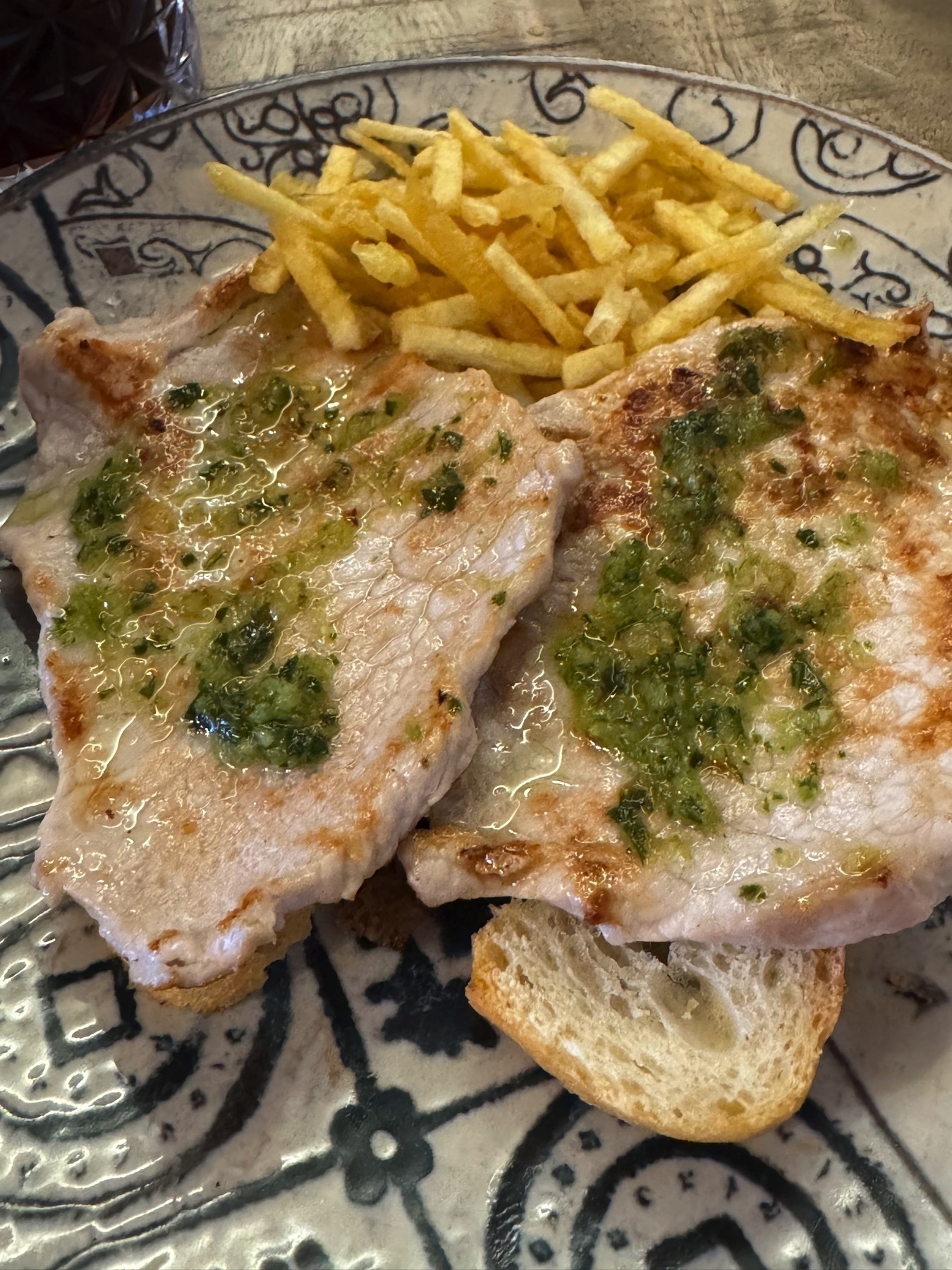
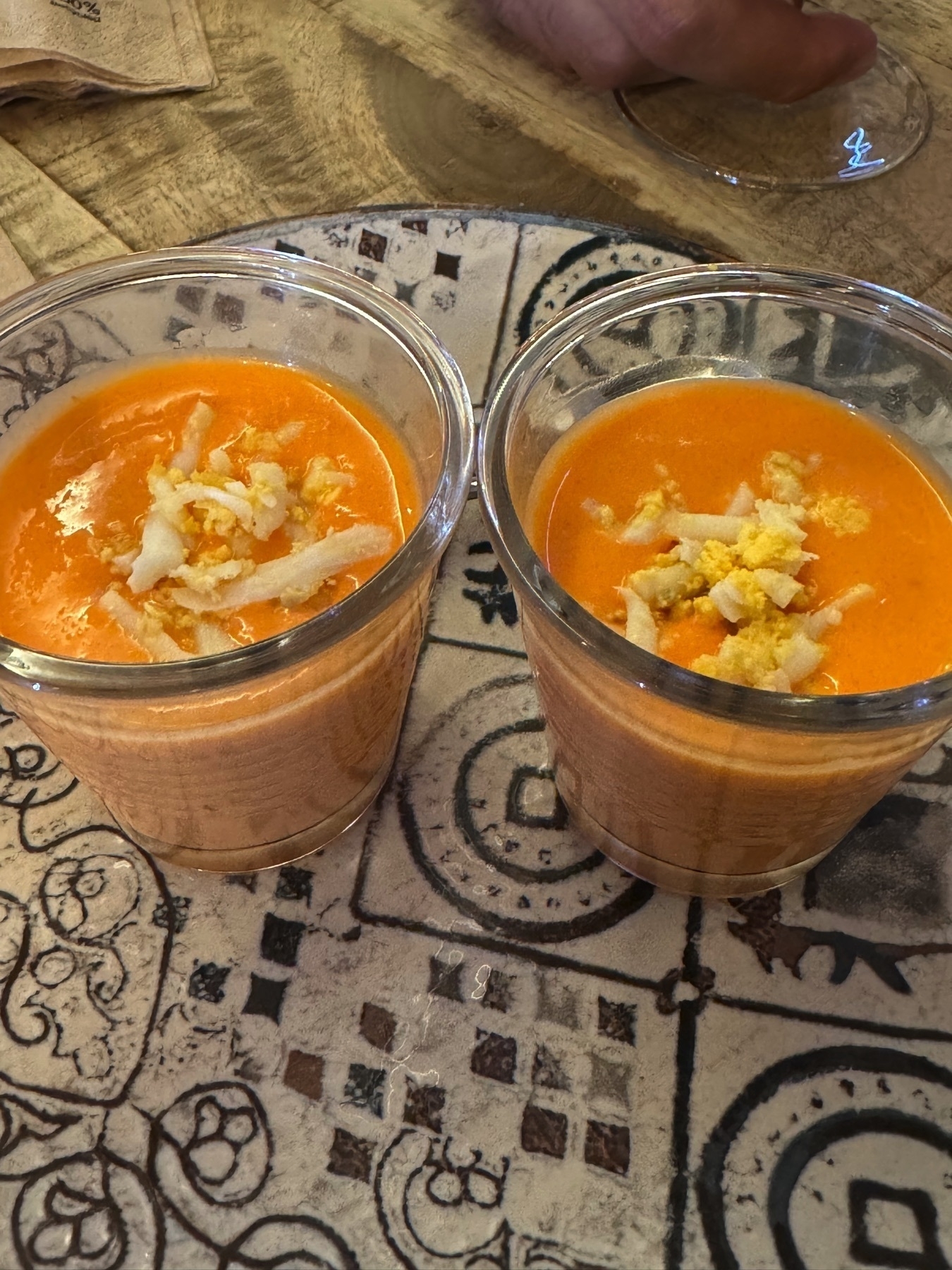
We popped into Venga Vino (5–6) and (like everywhere else) they gave us “free” tapas when we ordered a drink.
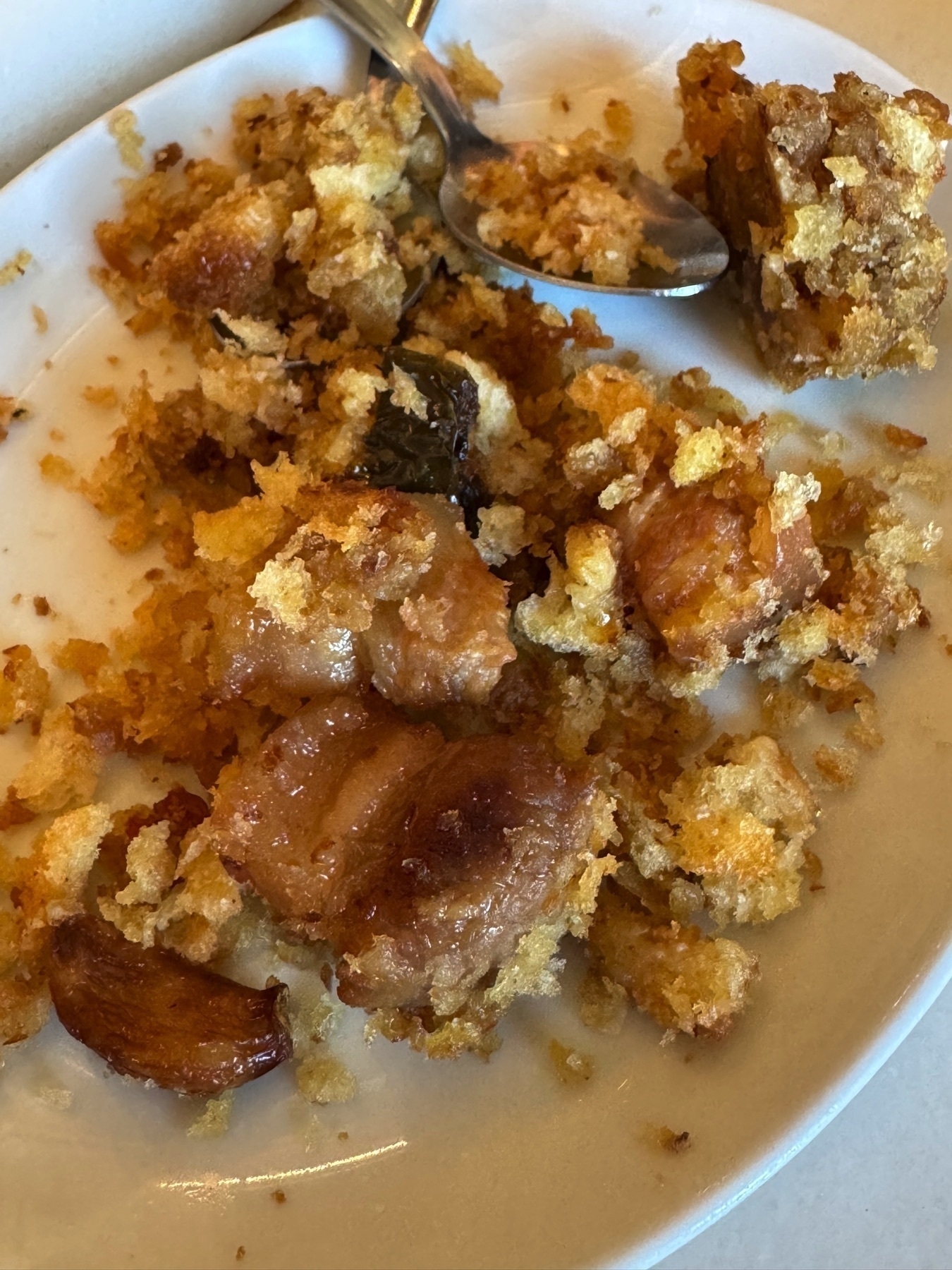
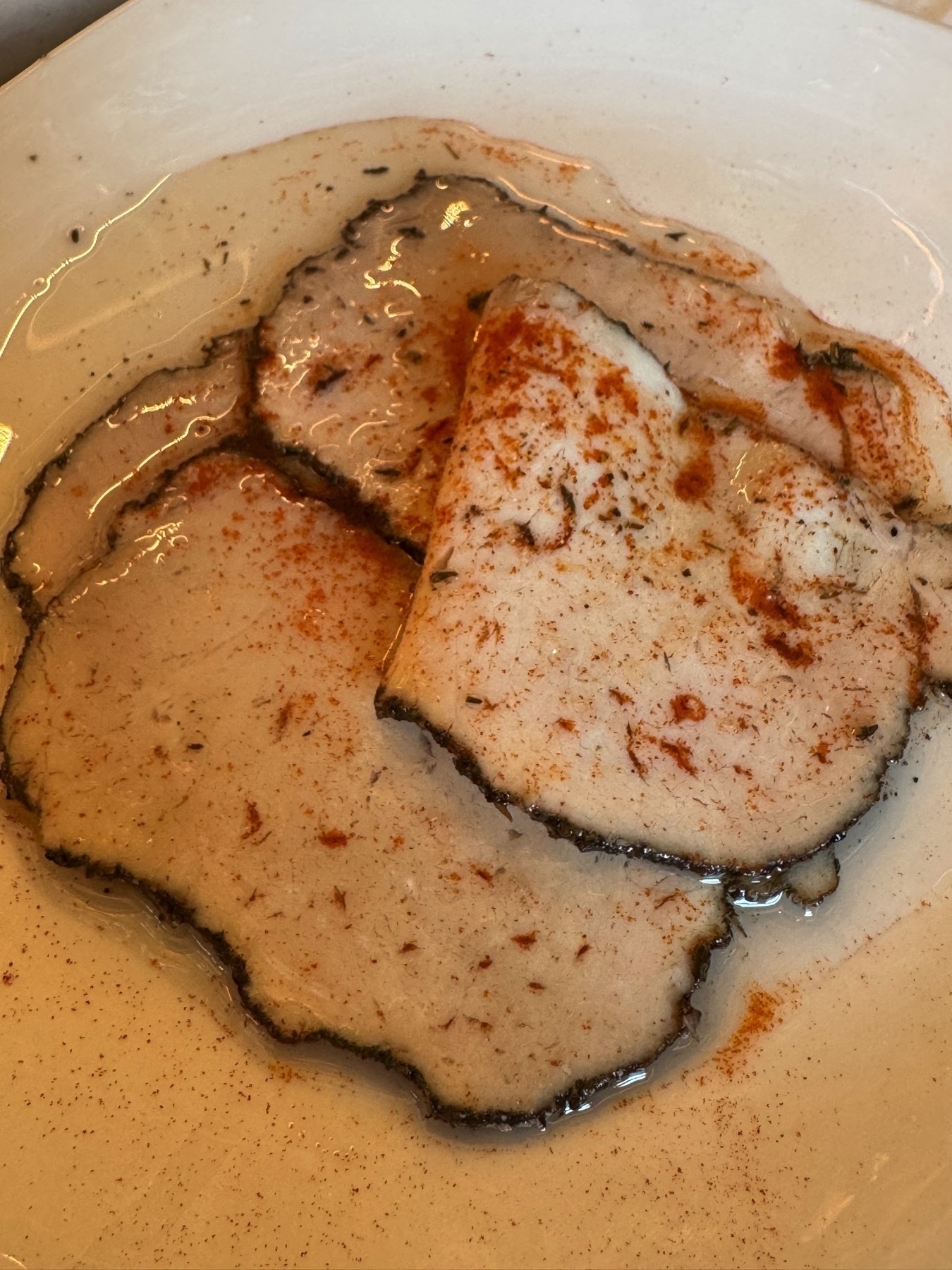
Same for Mítico Bar (7–8).
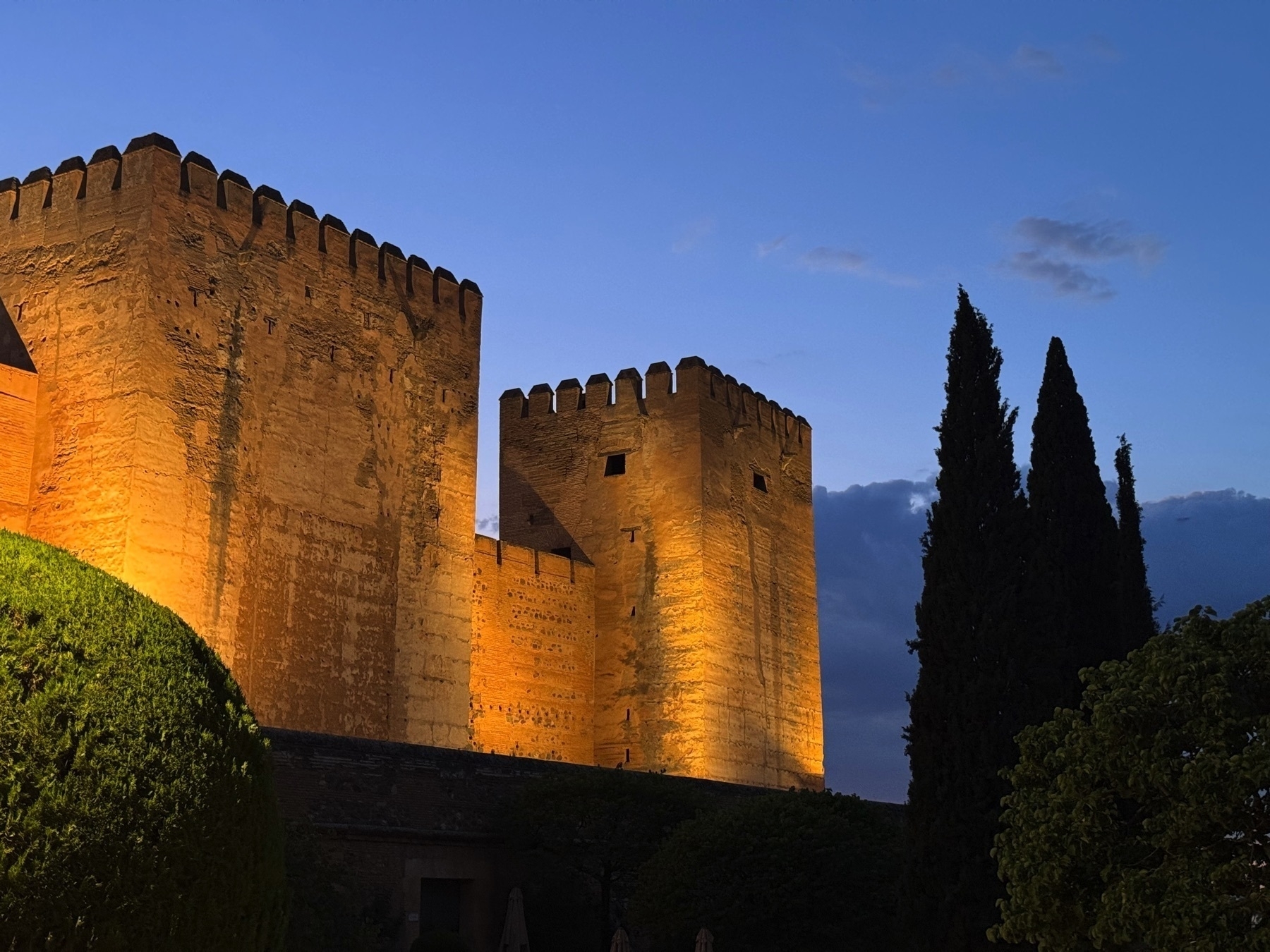
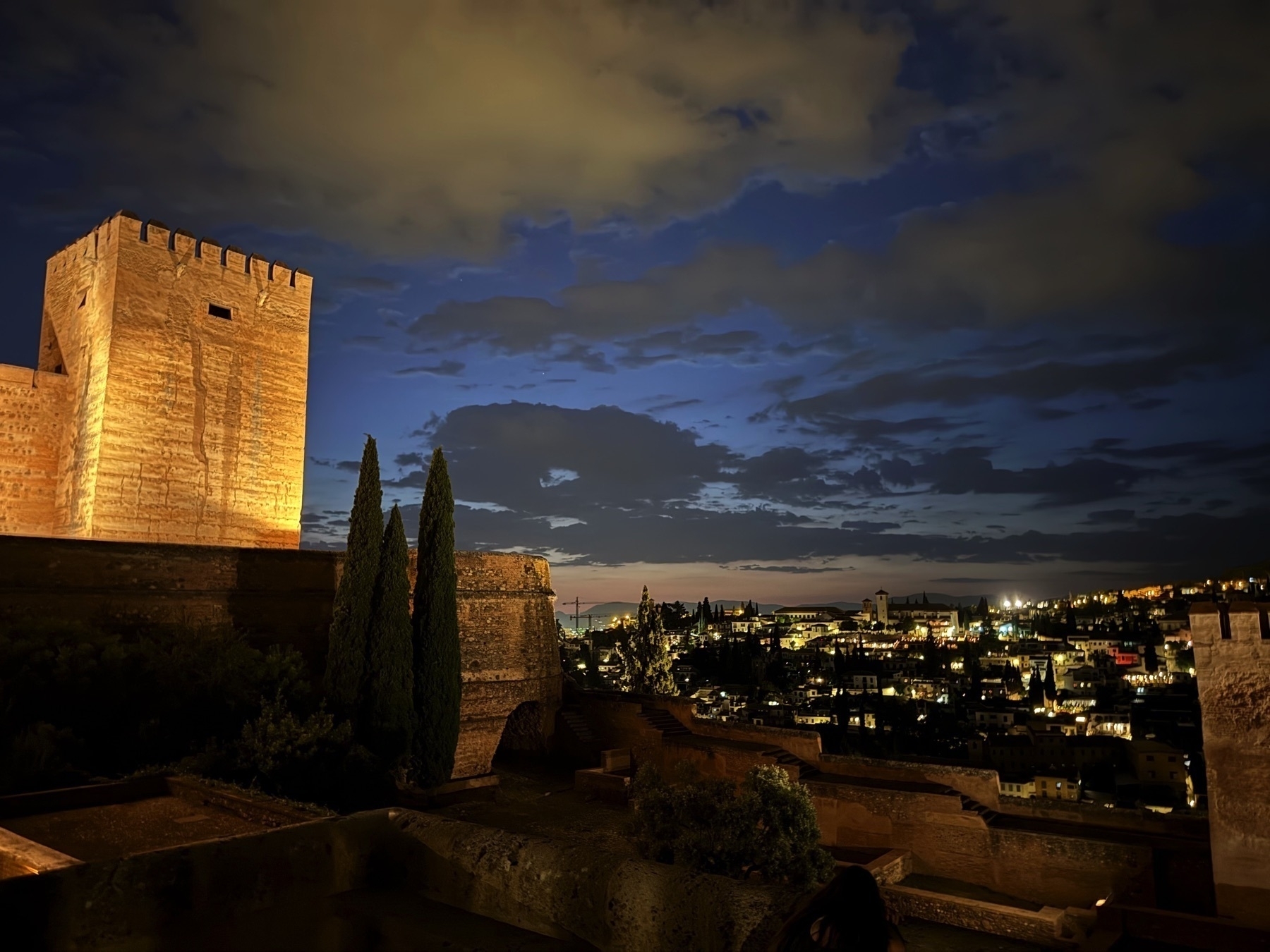
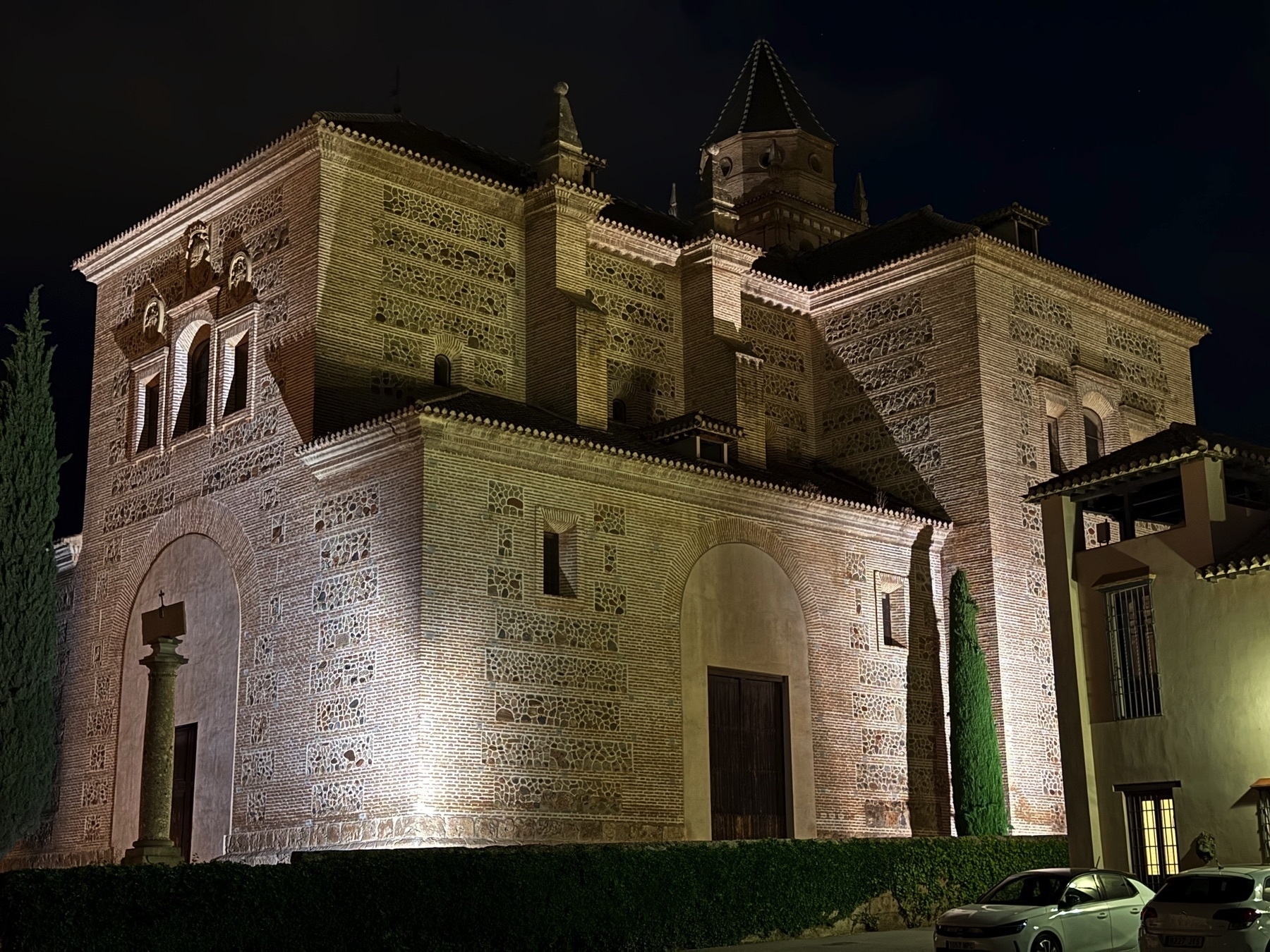
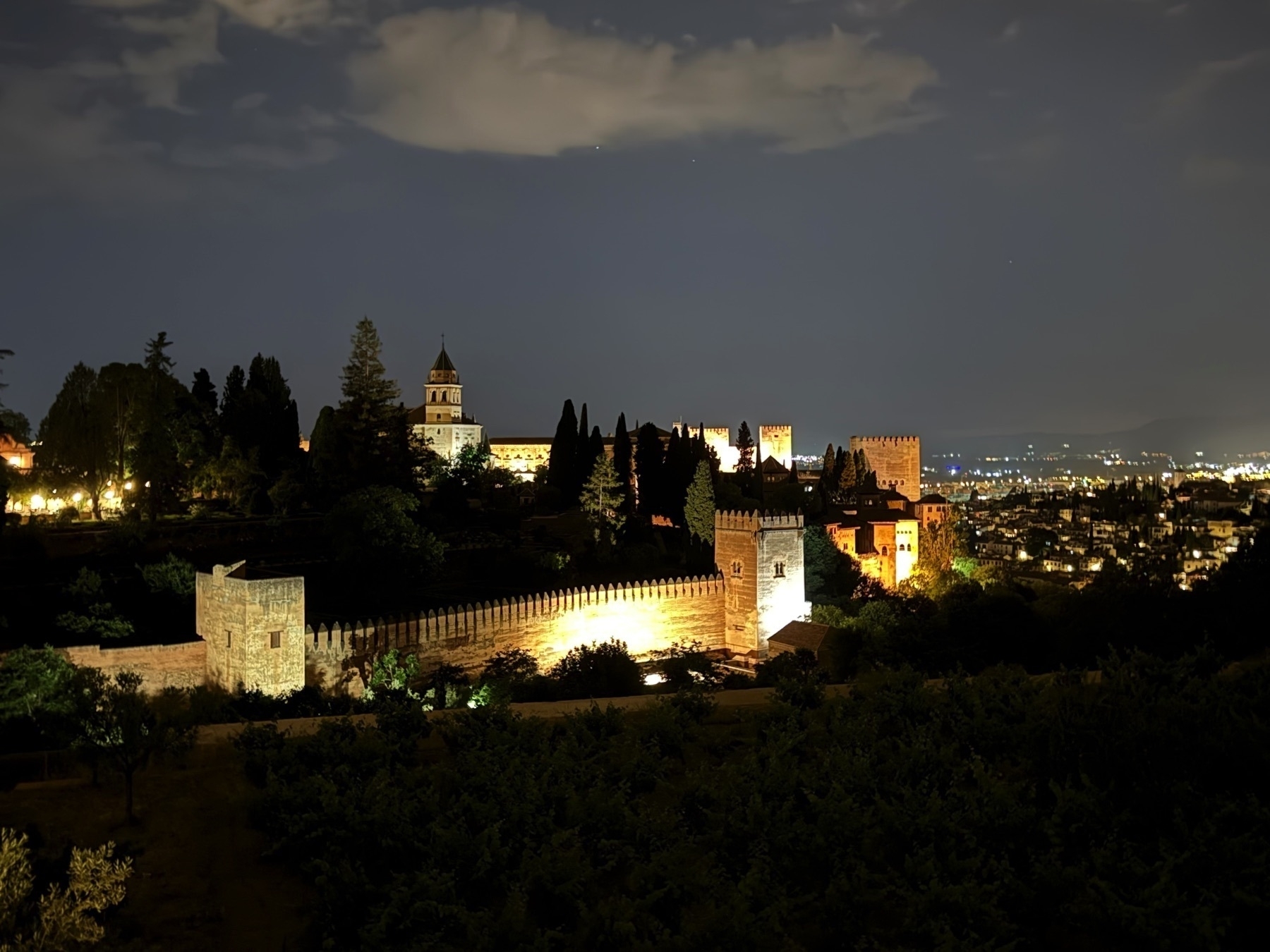
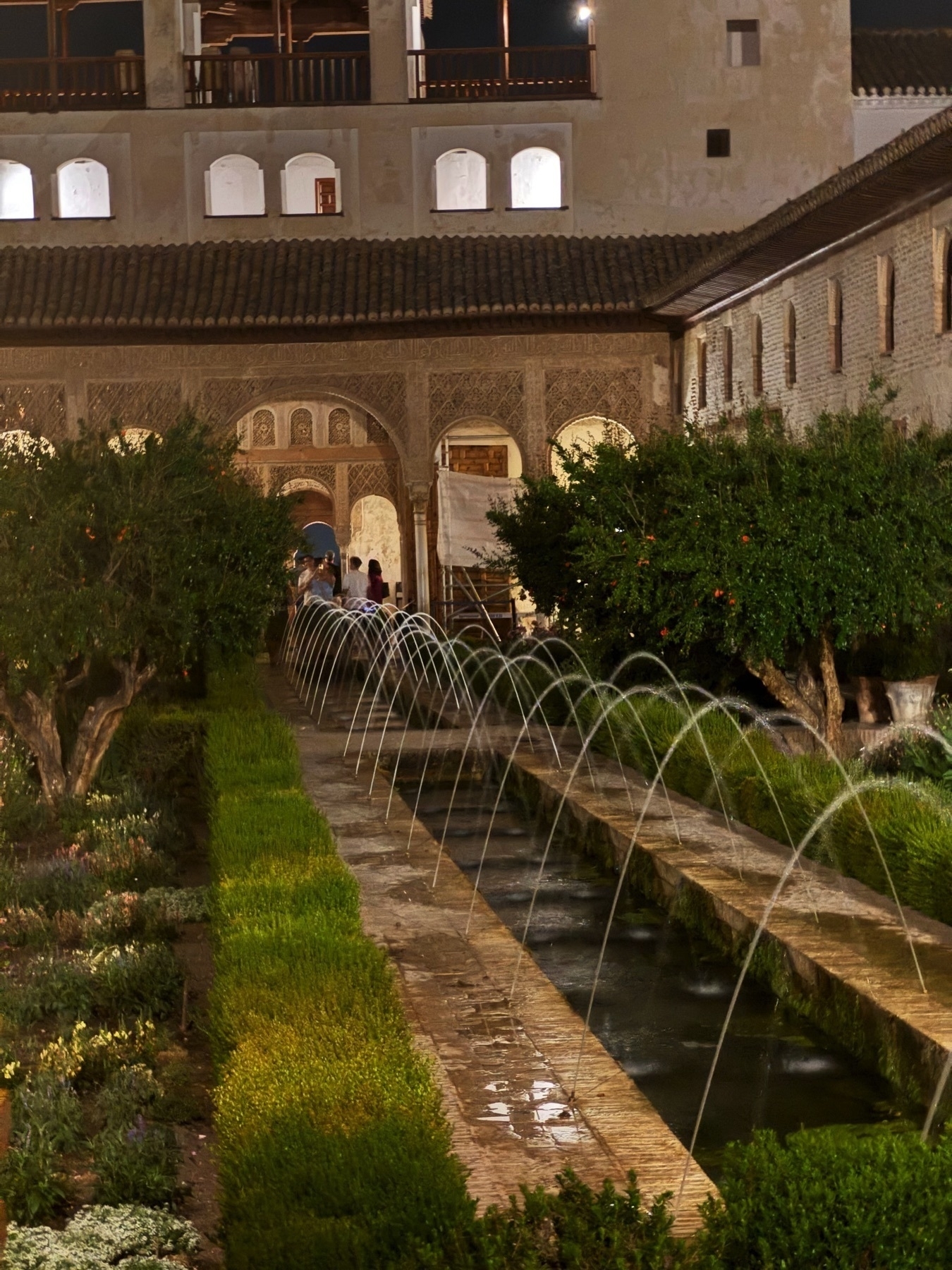
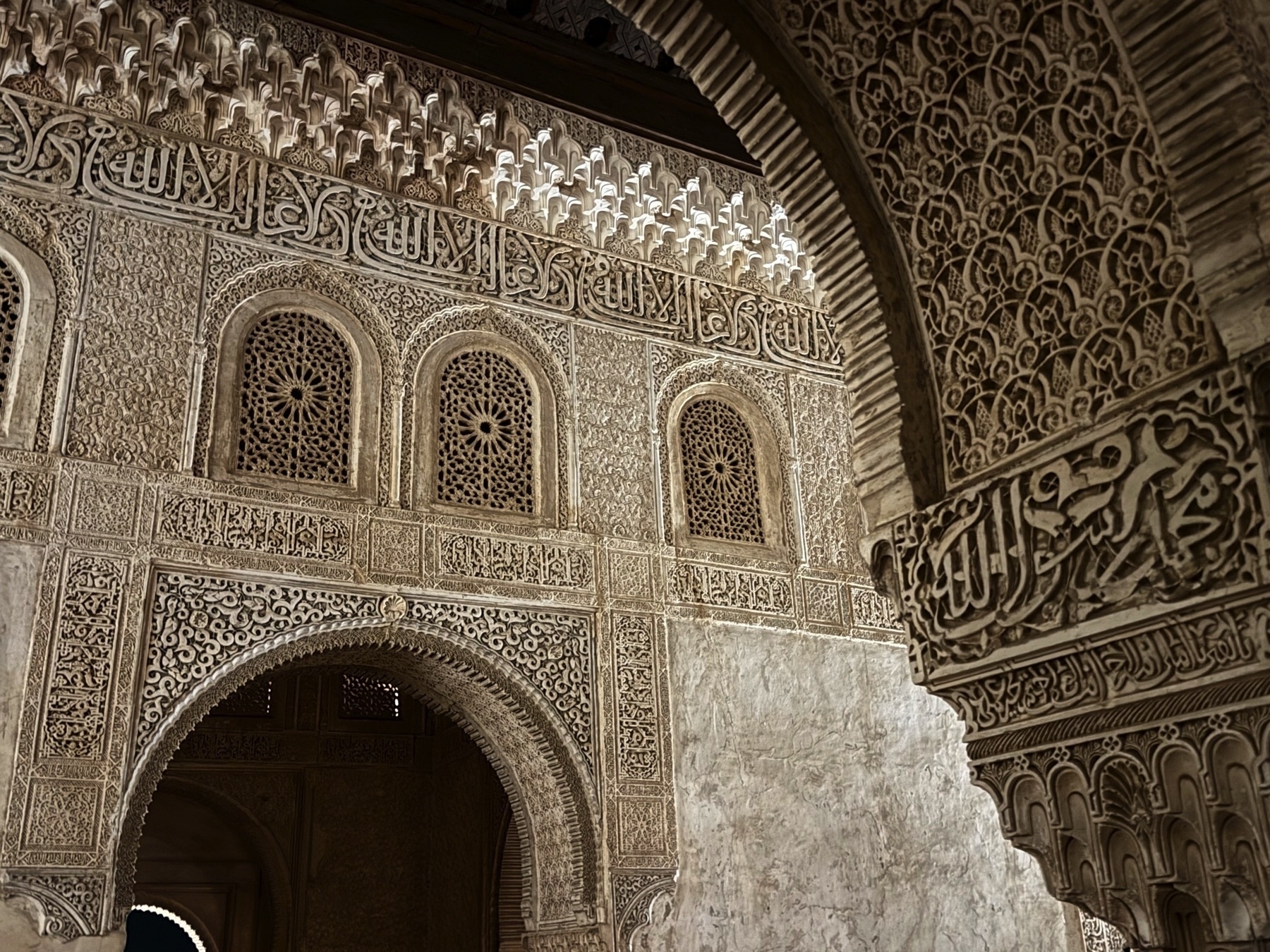
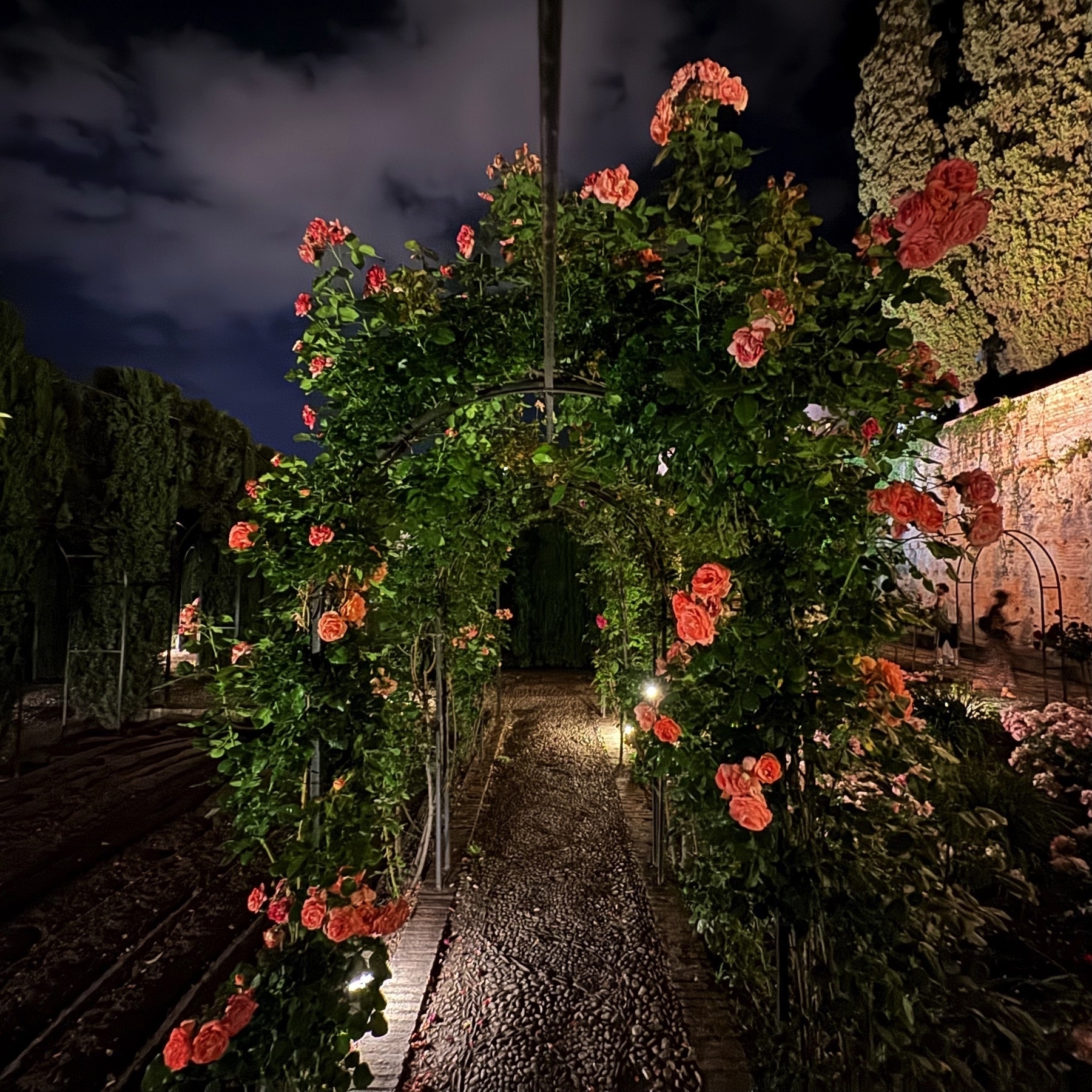
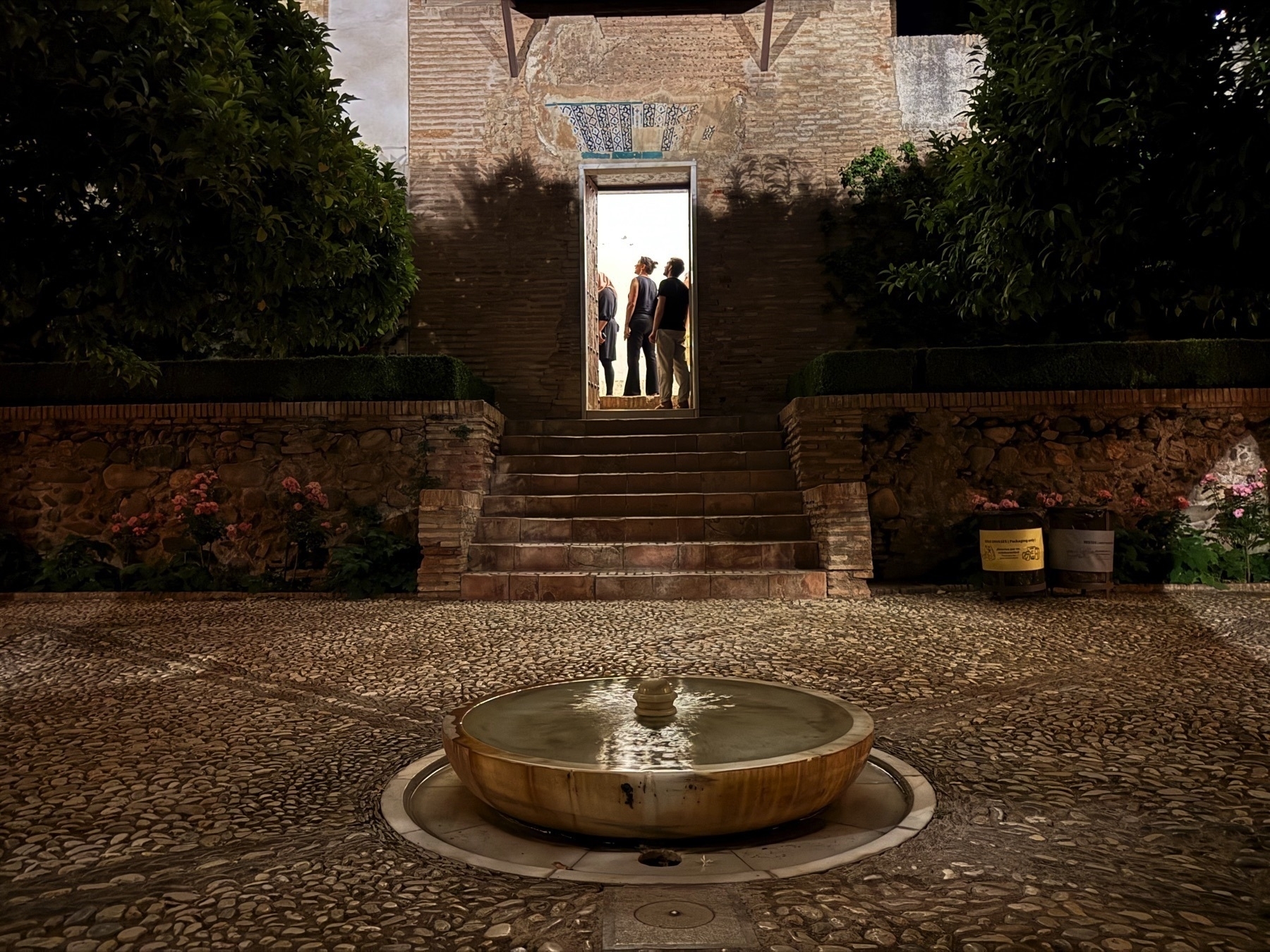
We didn’t get tickets to go inside the Alhambra itself, but we did the Jardines y Generalife night visit and got to walk through the gardens and see the Alhambra again. The intricate Nasrid Islamic stucco and architecture was beautiful.
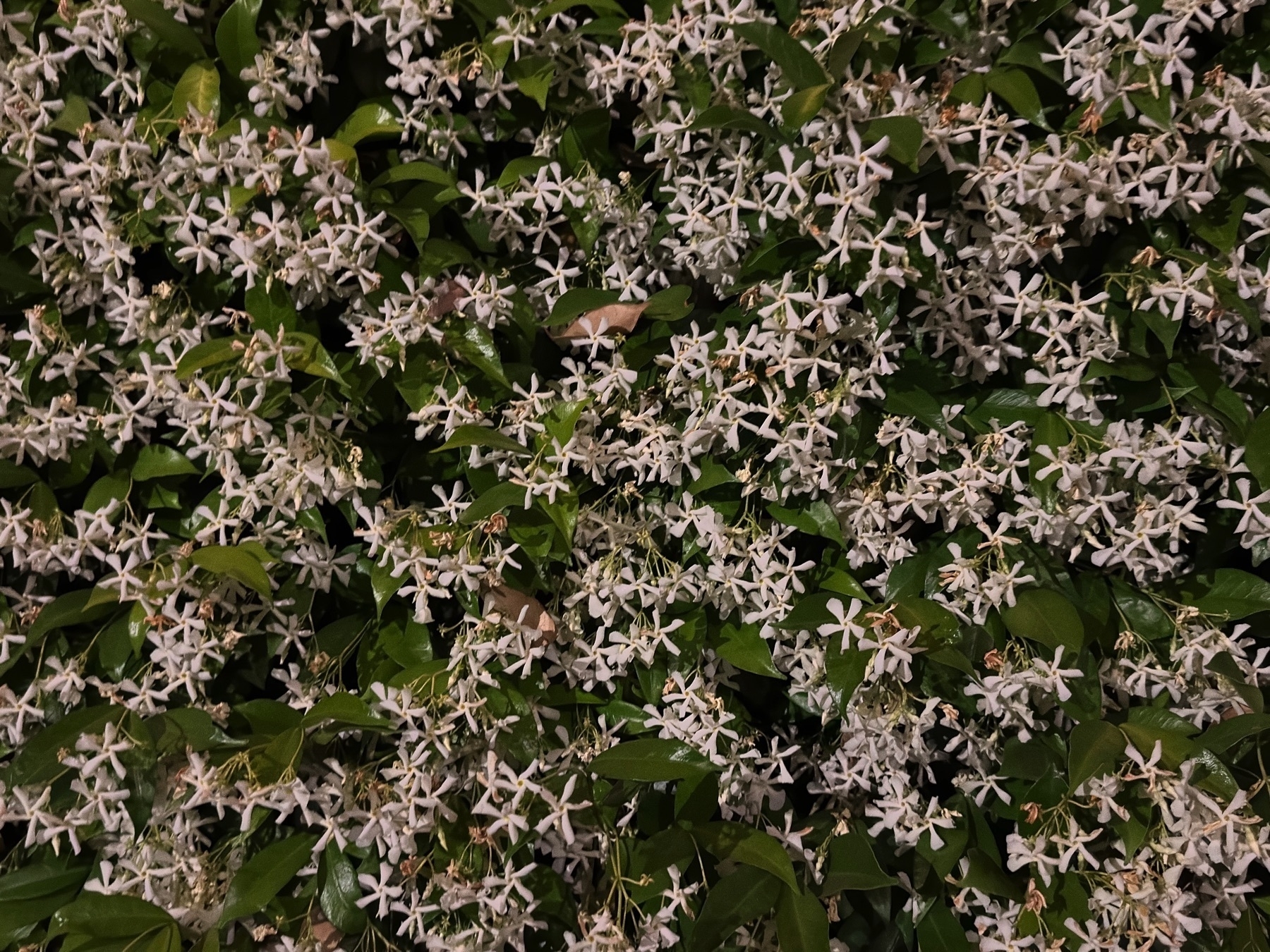
Not pictured: the strong scent of jasmine.
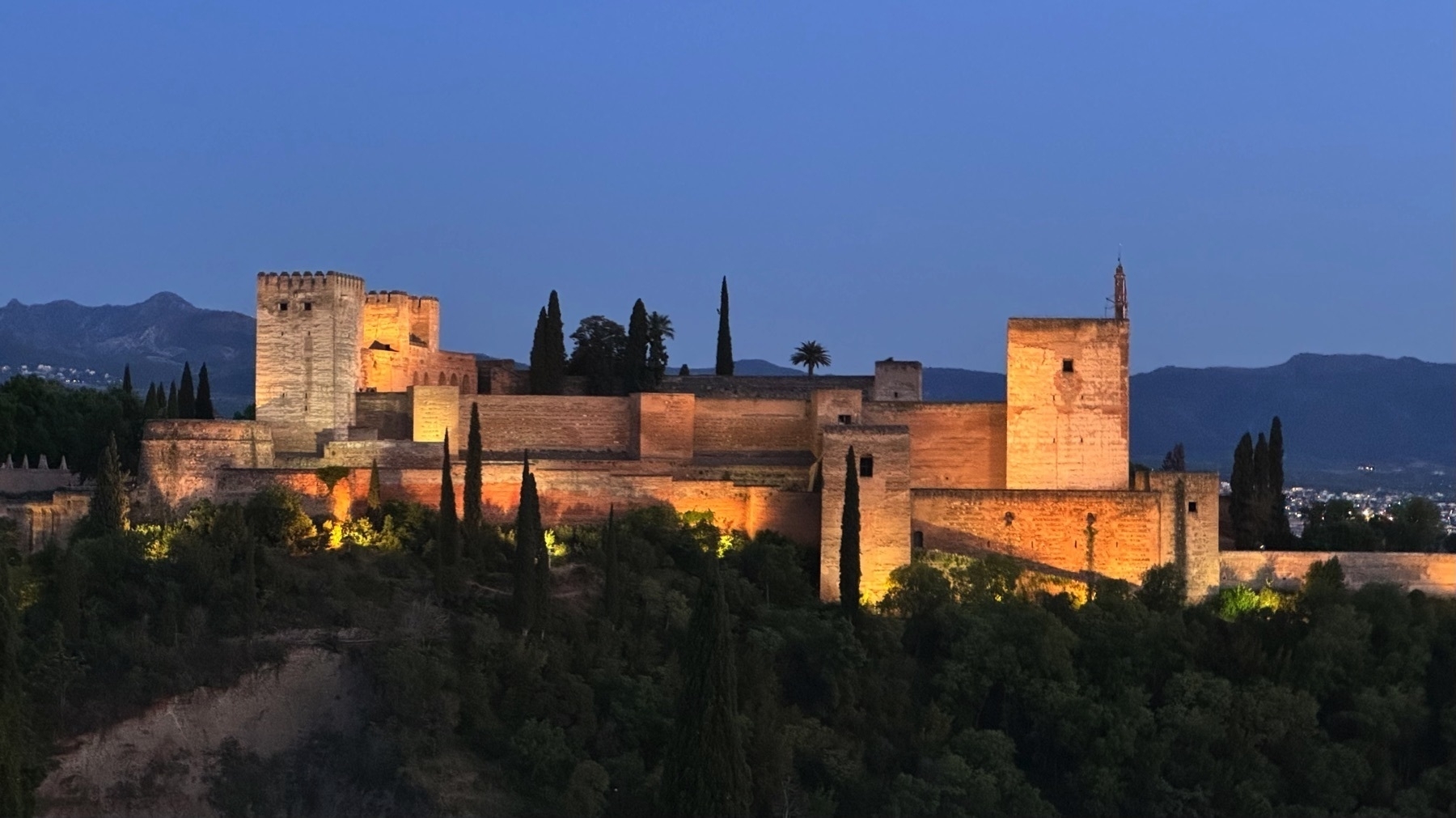
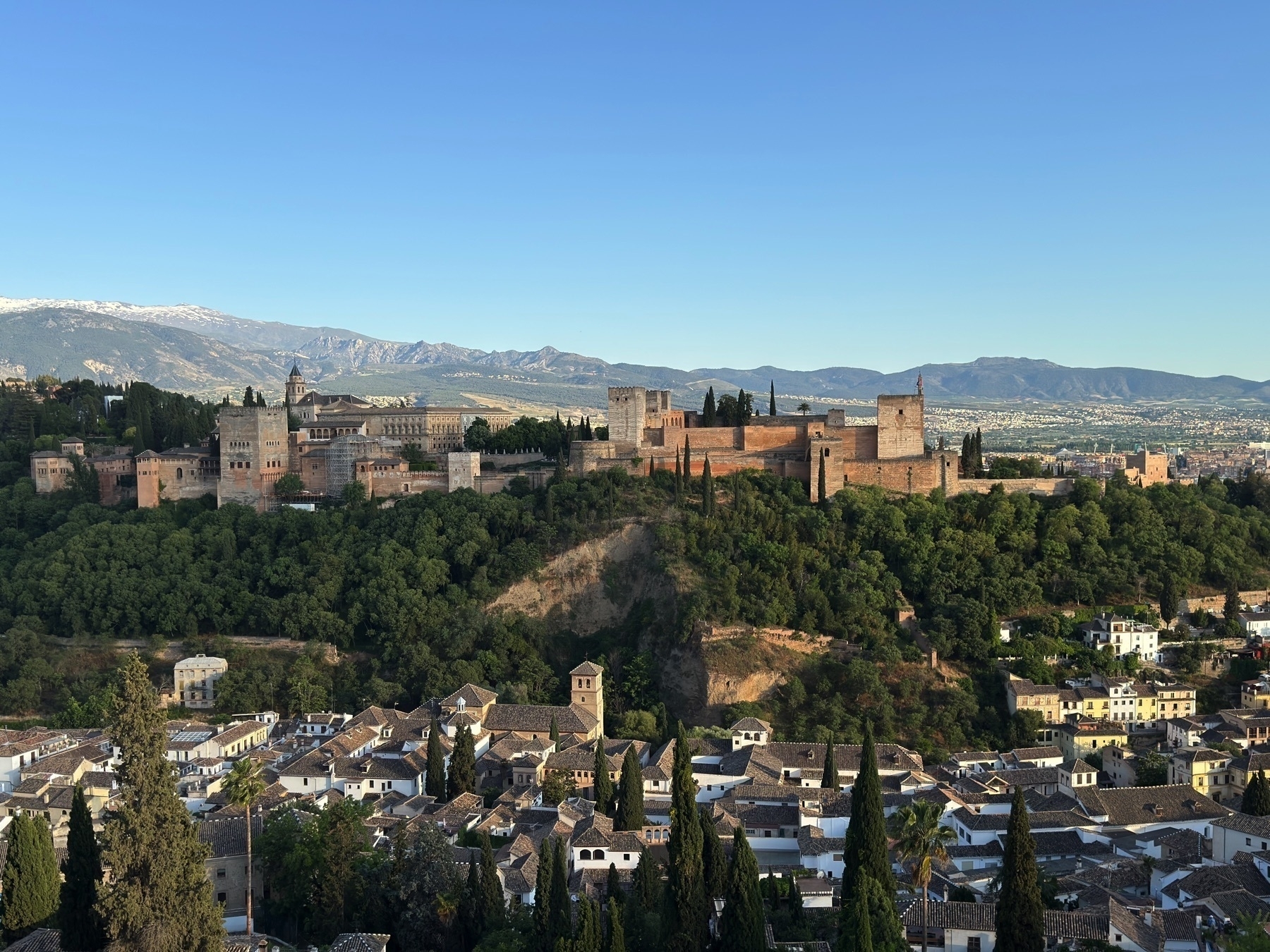
At the base of the church is the Mirador de San Nicolás, a plaza which is a beautiful viewpoint for seeing the Alhambra.
We didn’t stick around long enough for the actual sunset but still caught some great views. I would love to come again at sunset, or even dawn. 🌅
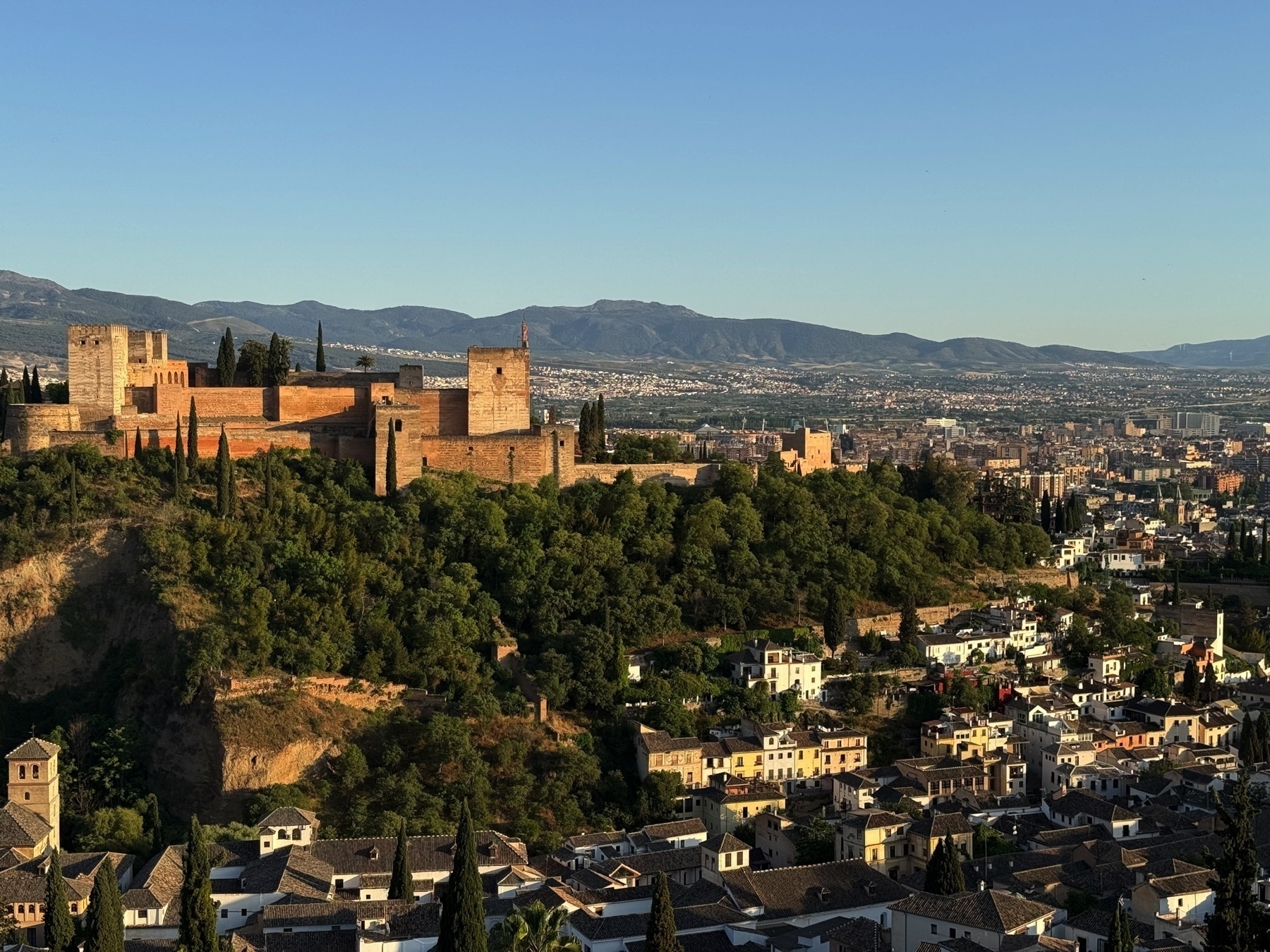
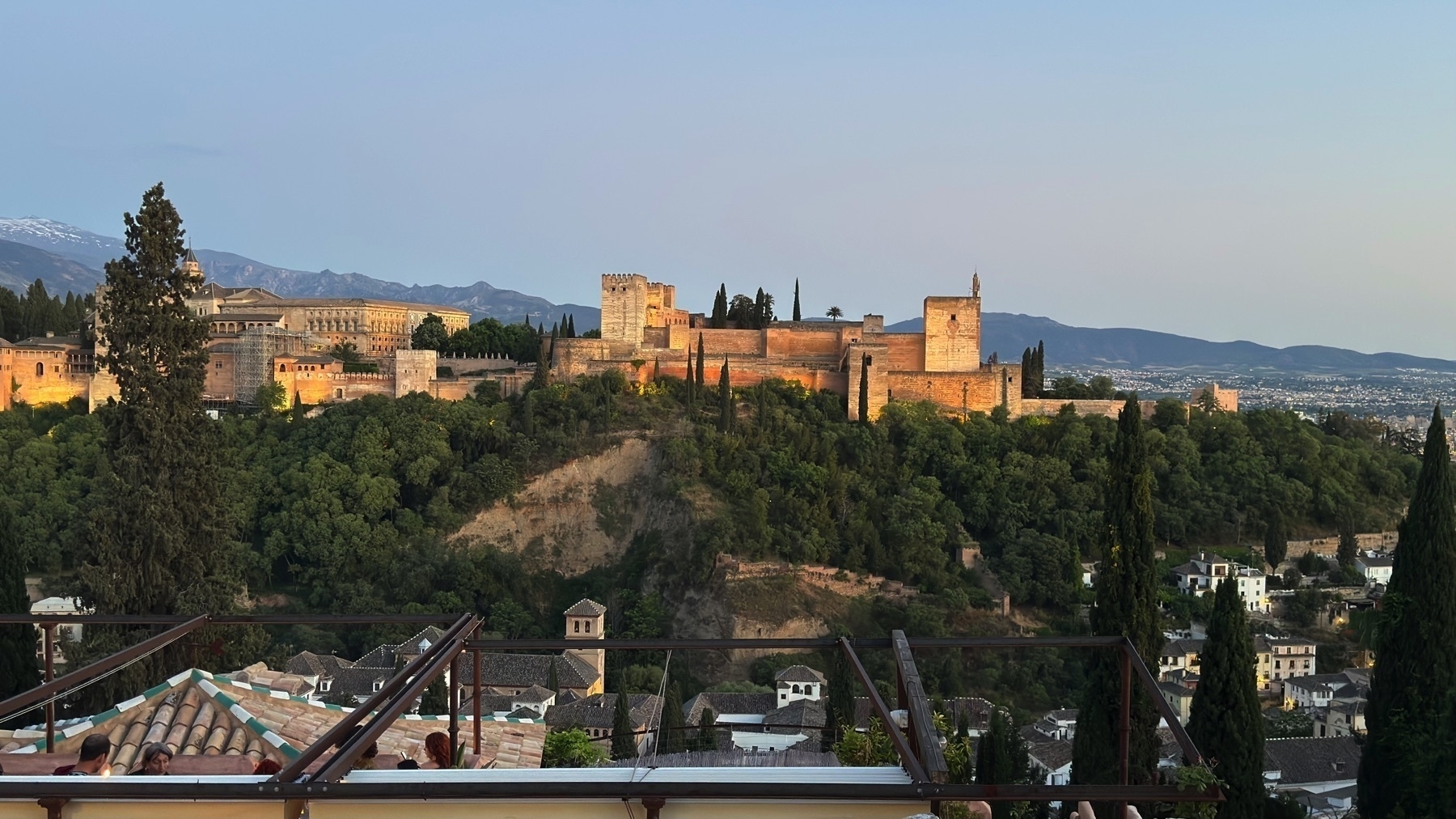
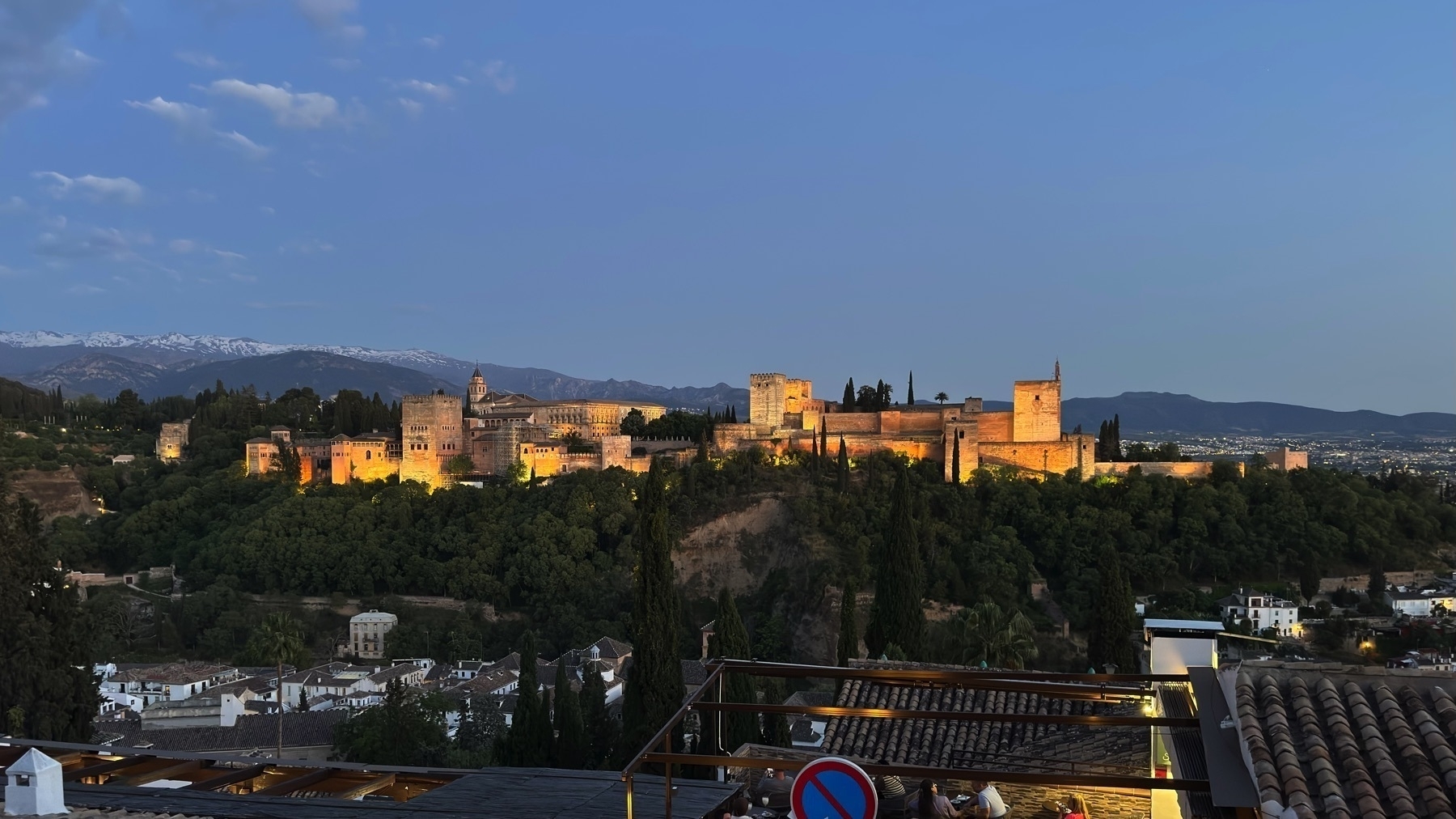
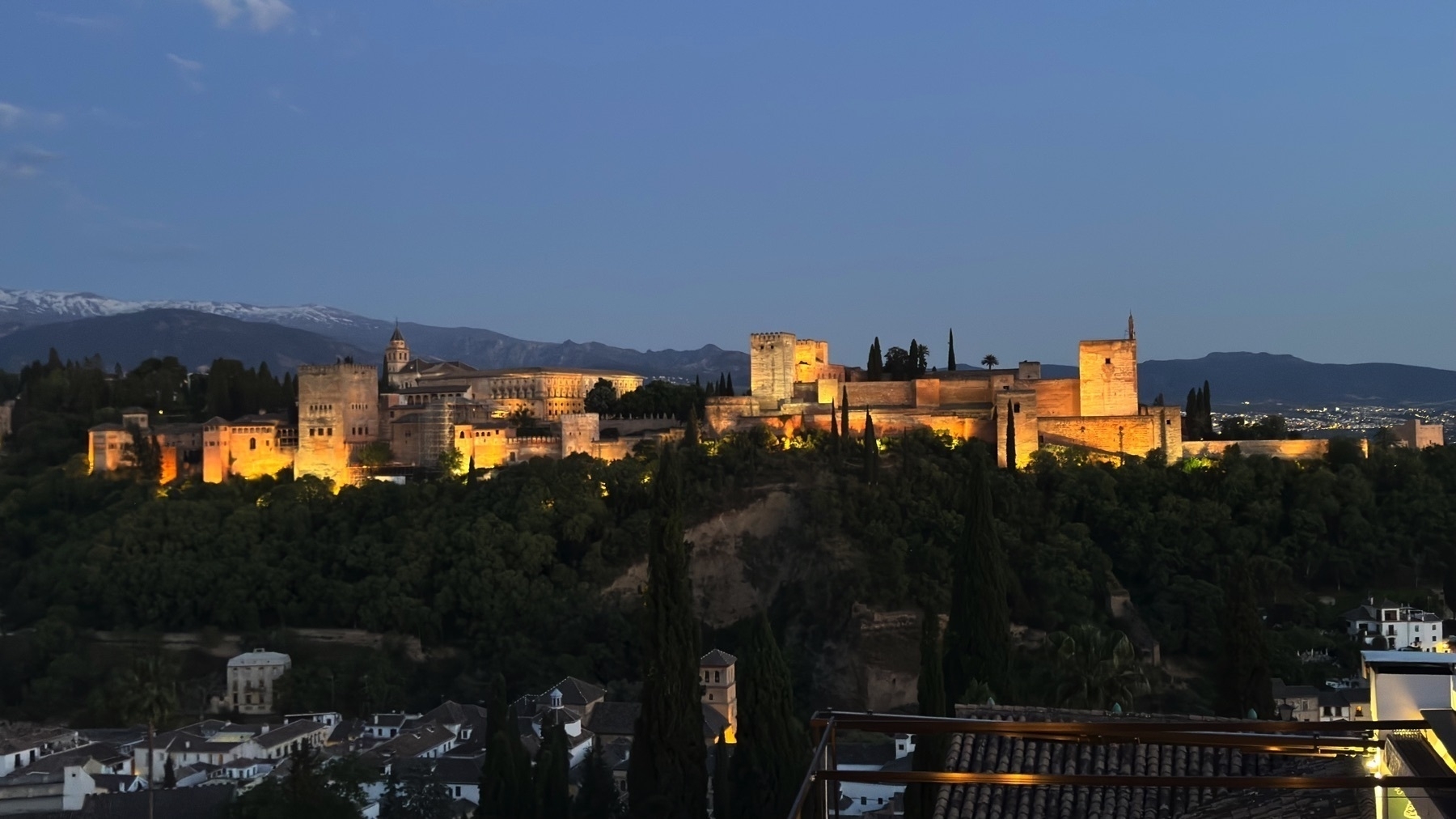
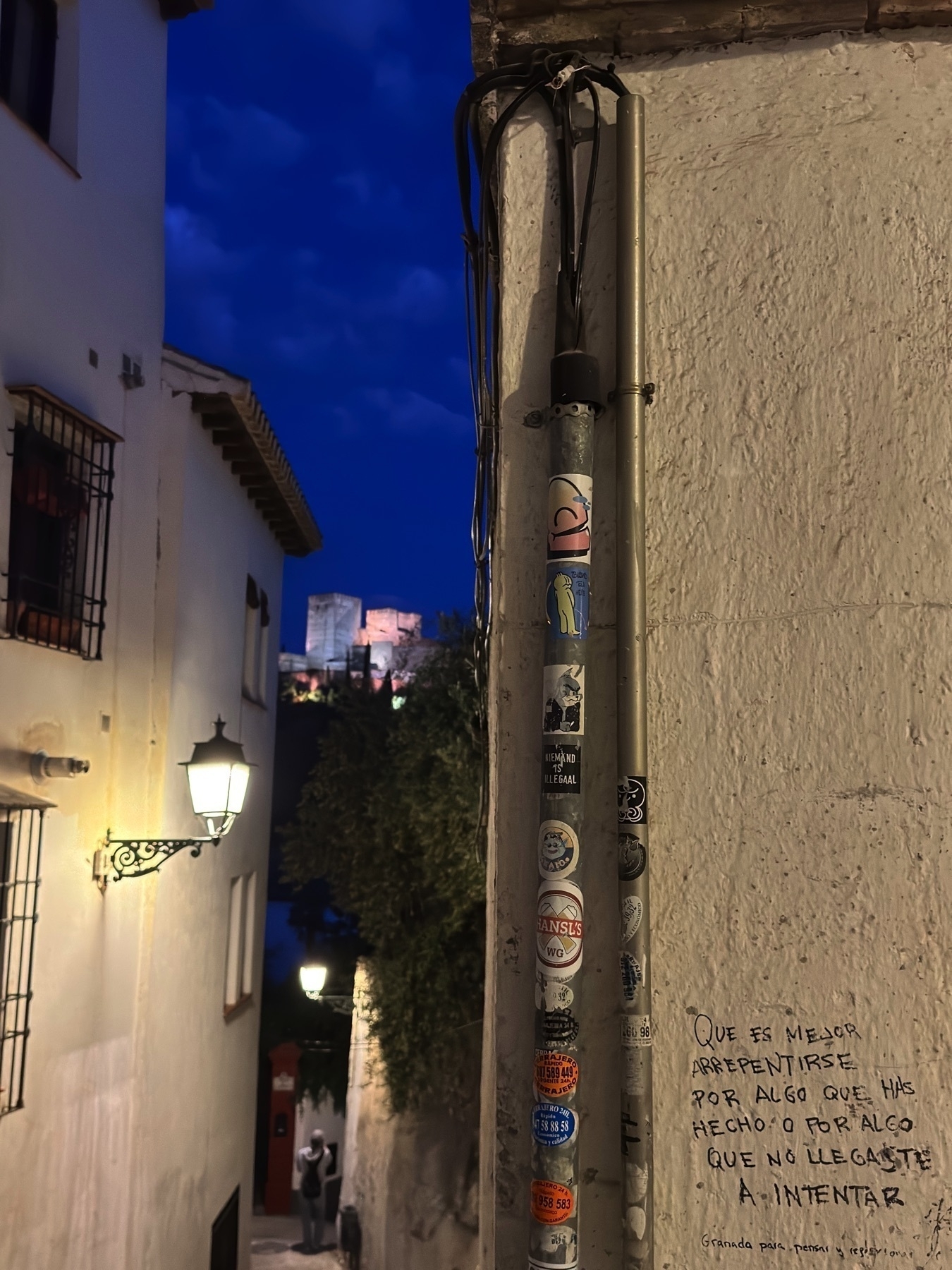
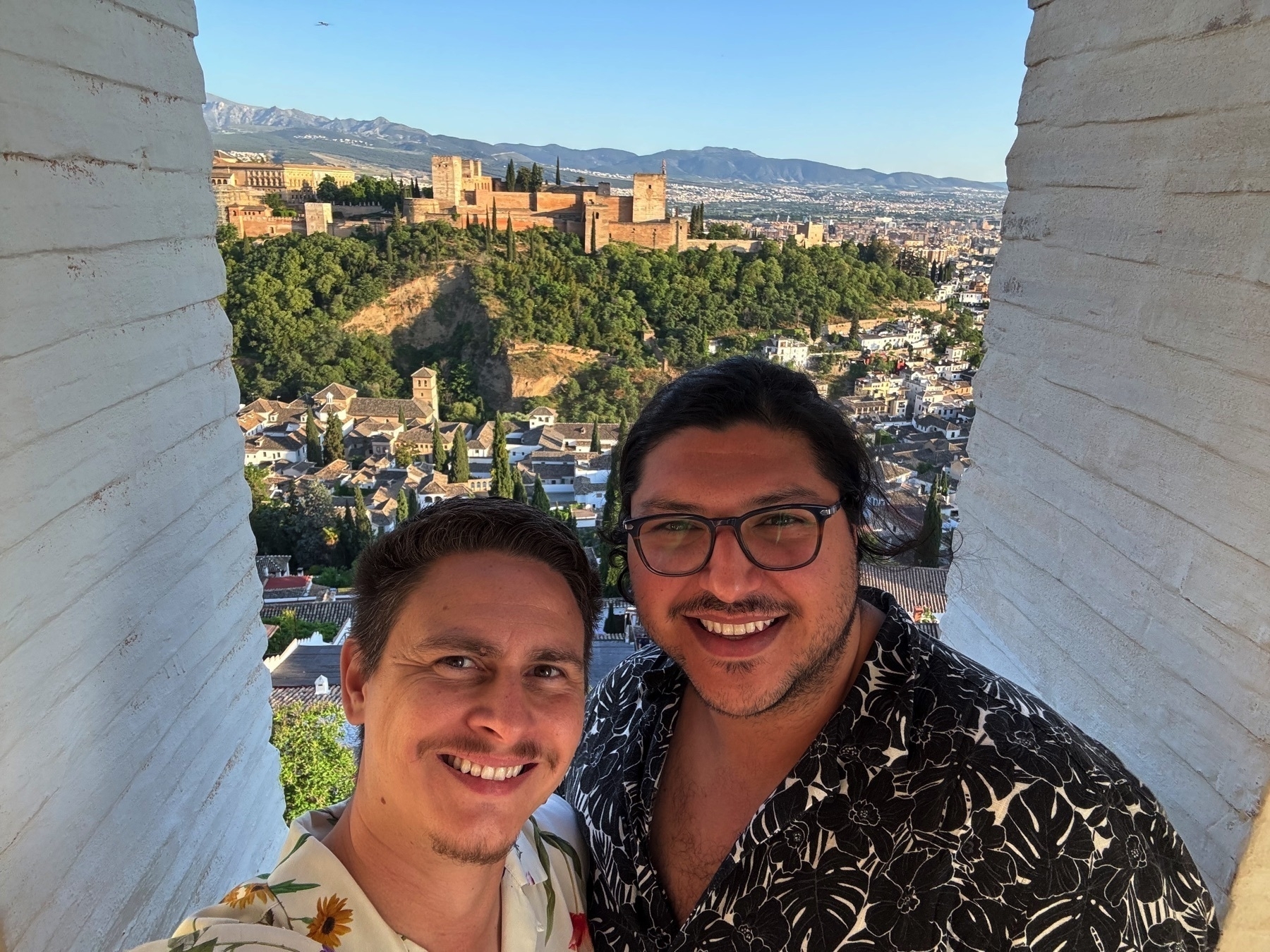
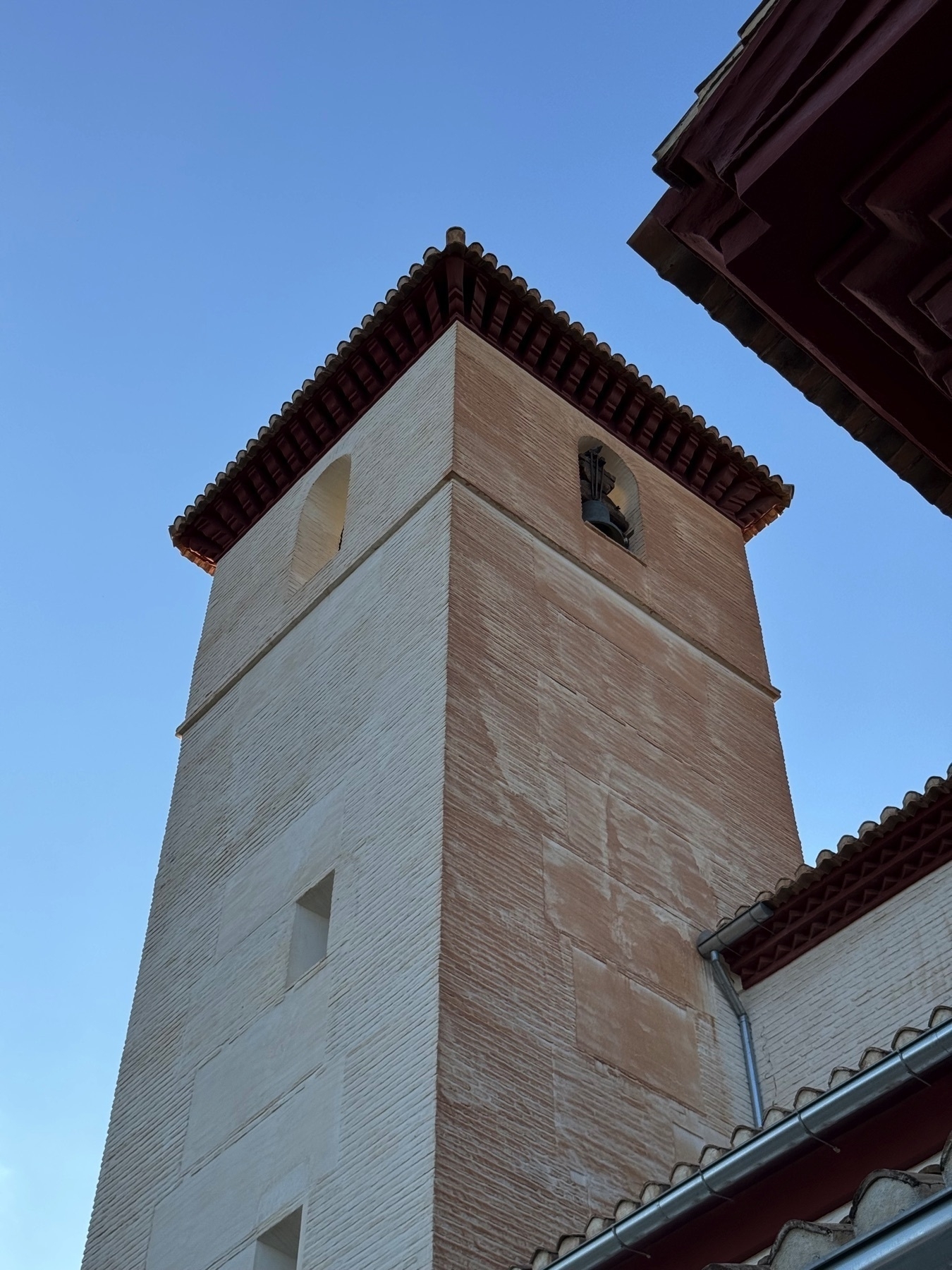
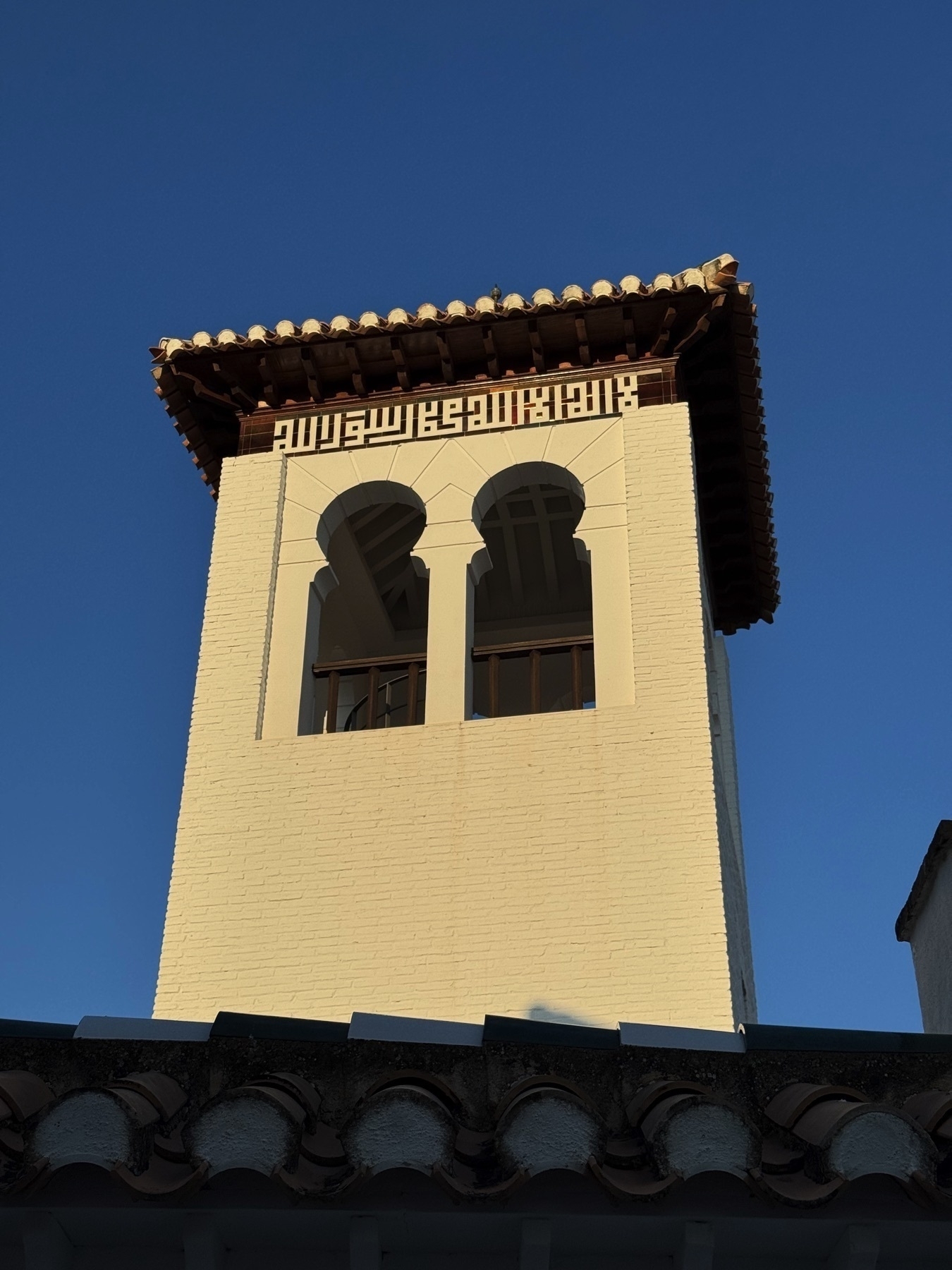
We walked up the bell tower at Iglesia de San Nicolás for some of the best views of Granada and the Alhambra.
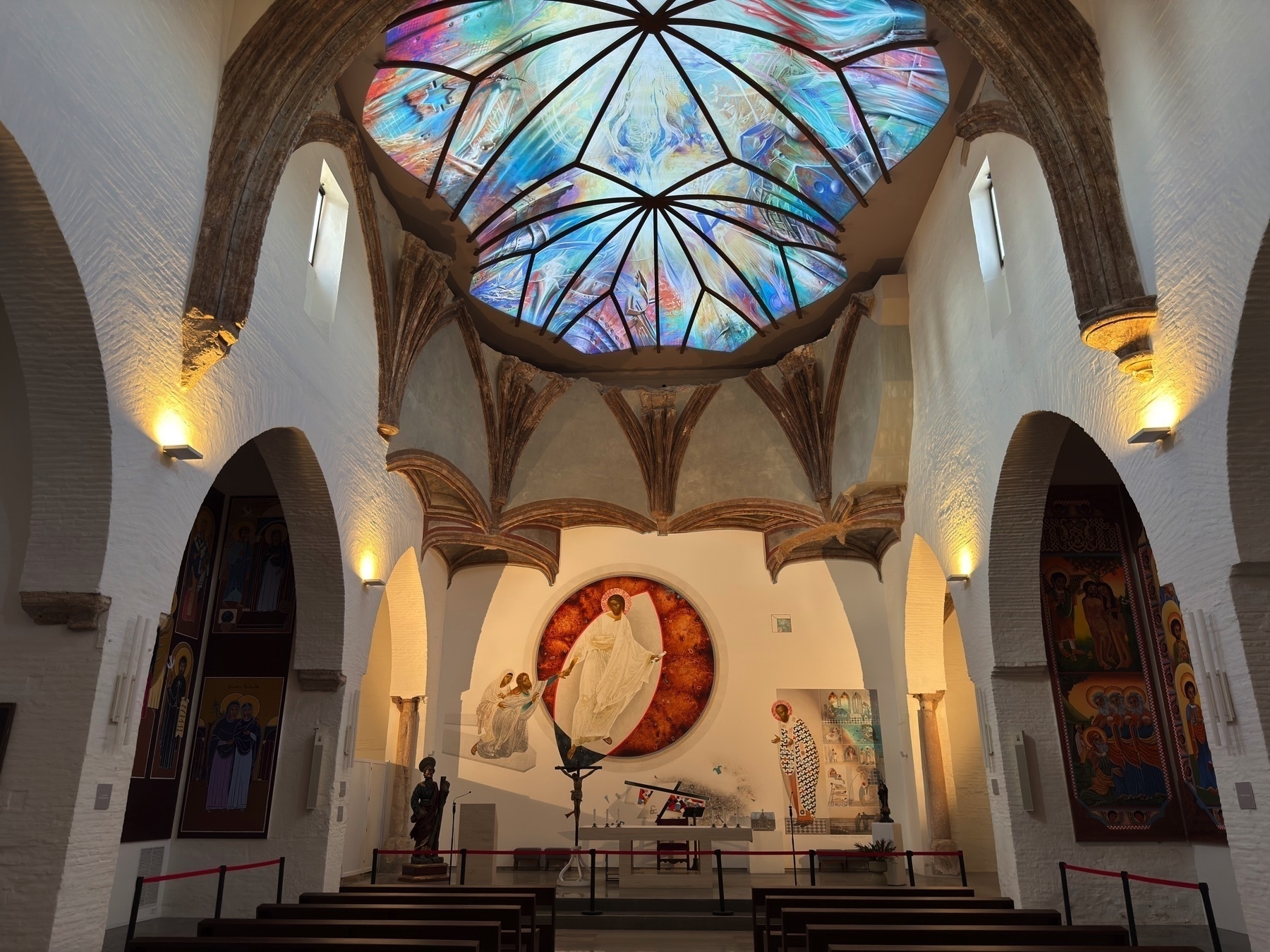
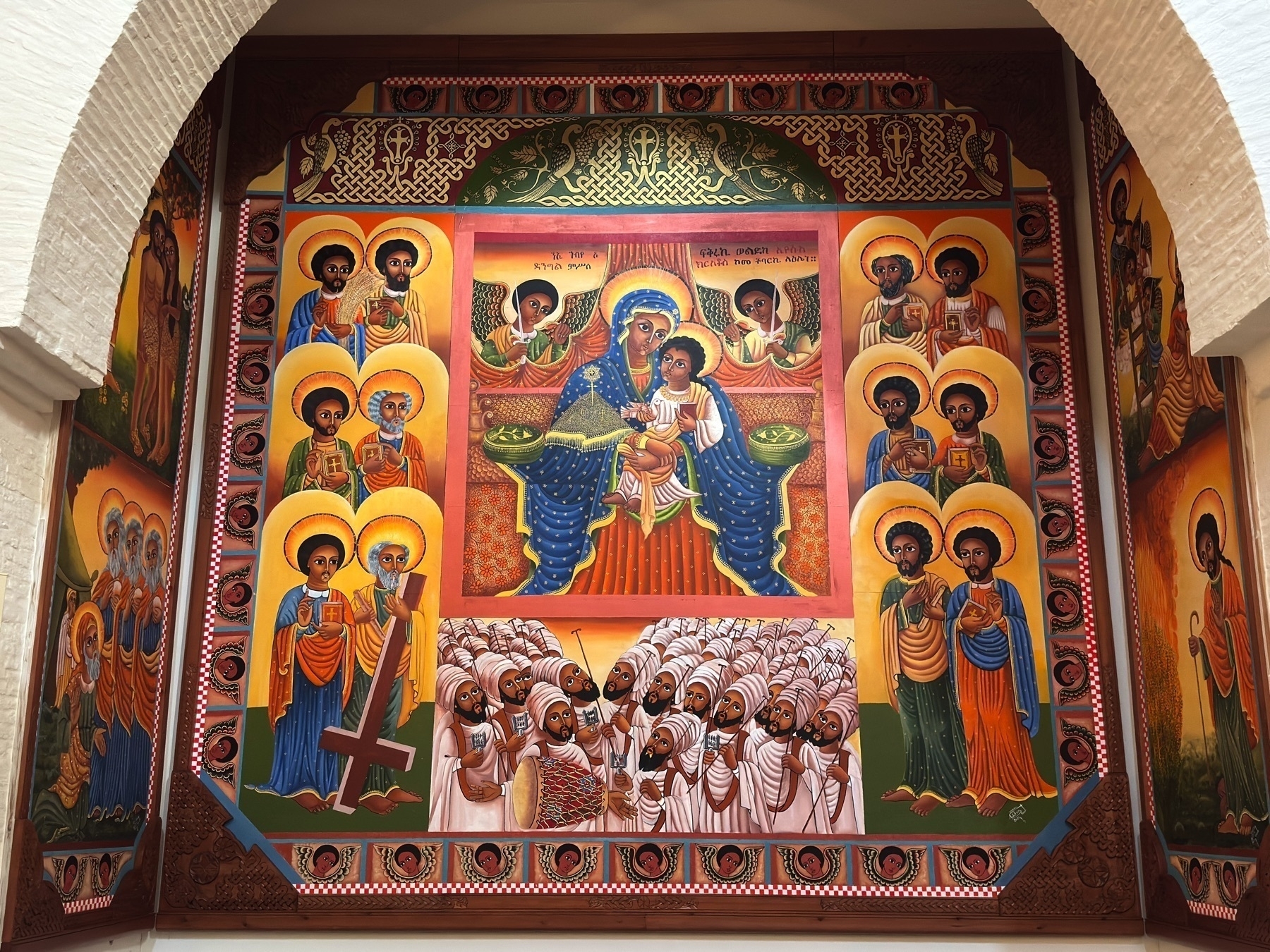
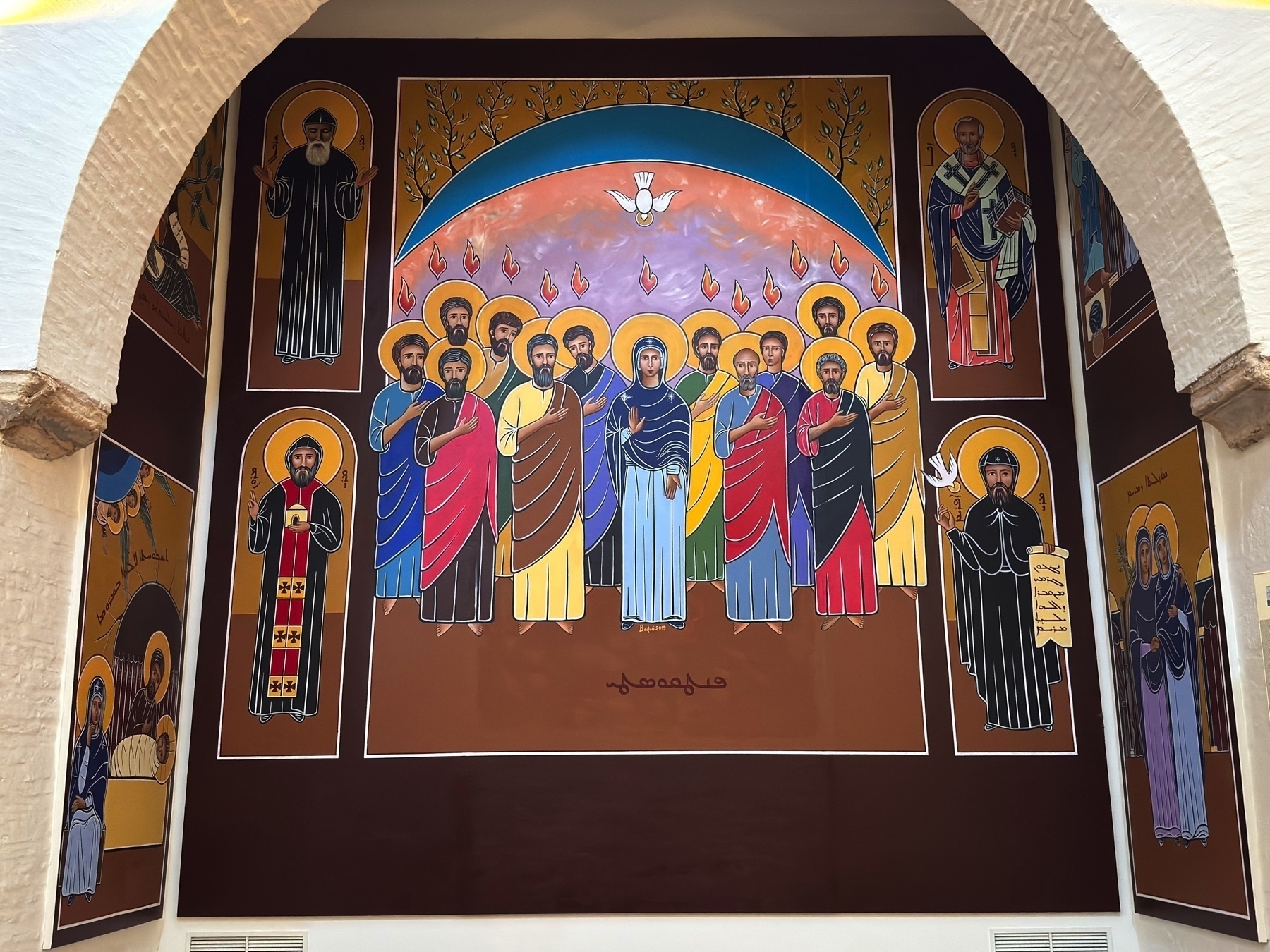
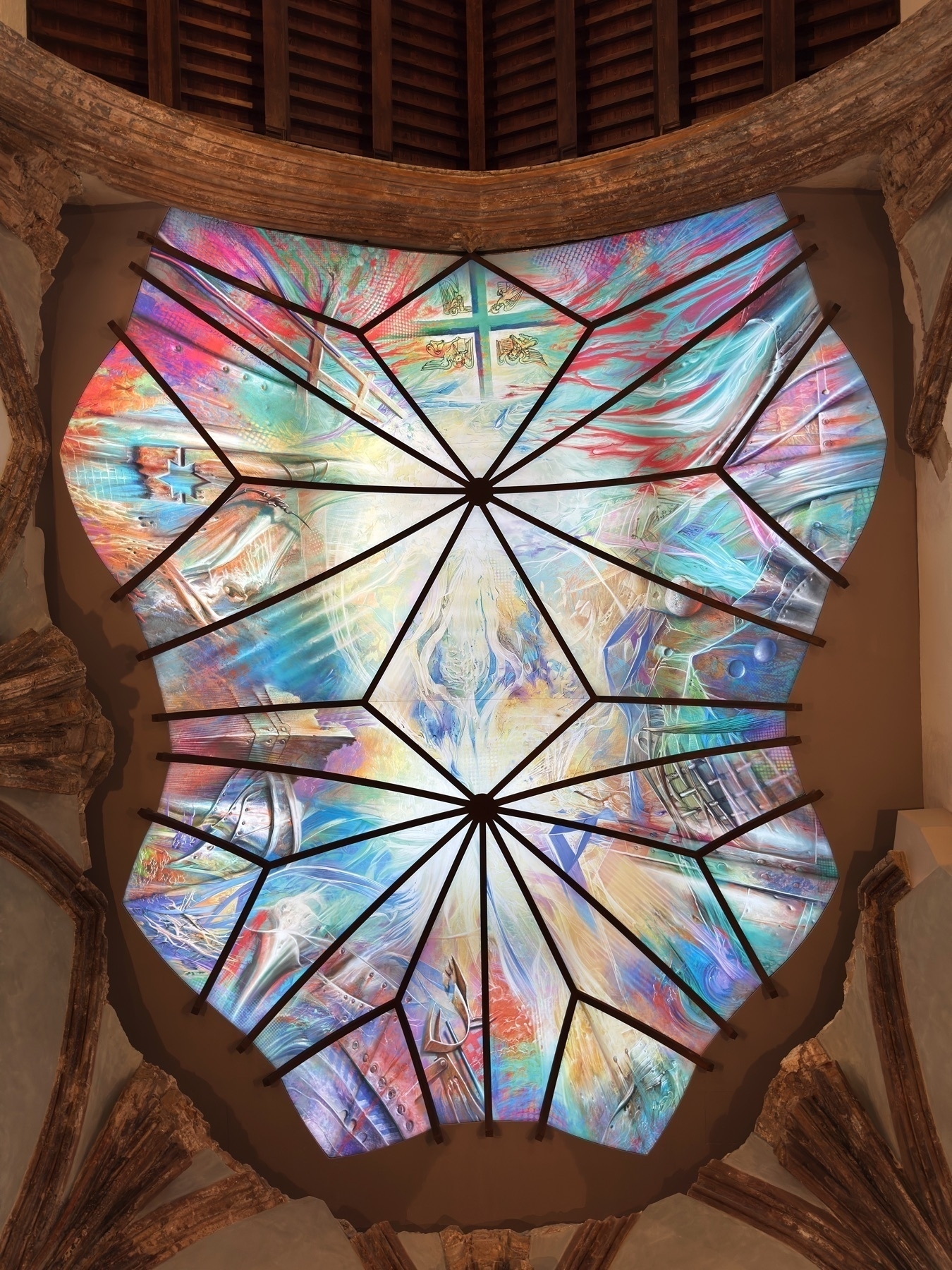
Inside, the church has a glowing stained-glass ceiling that radiates with celestial color. The iconographic paintings echo Ethiopian Christian tradition with saints, symbols, and stories.
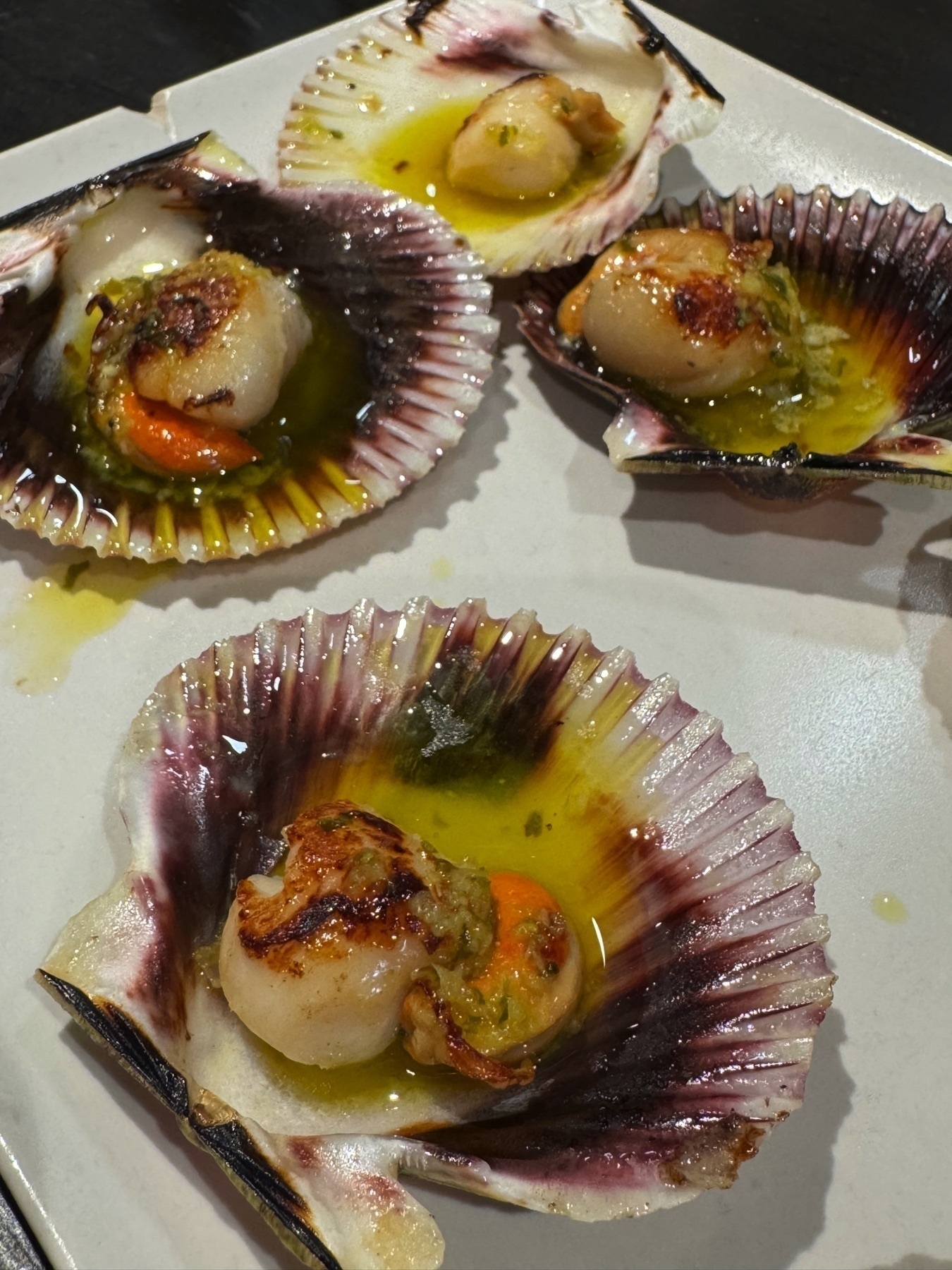
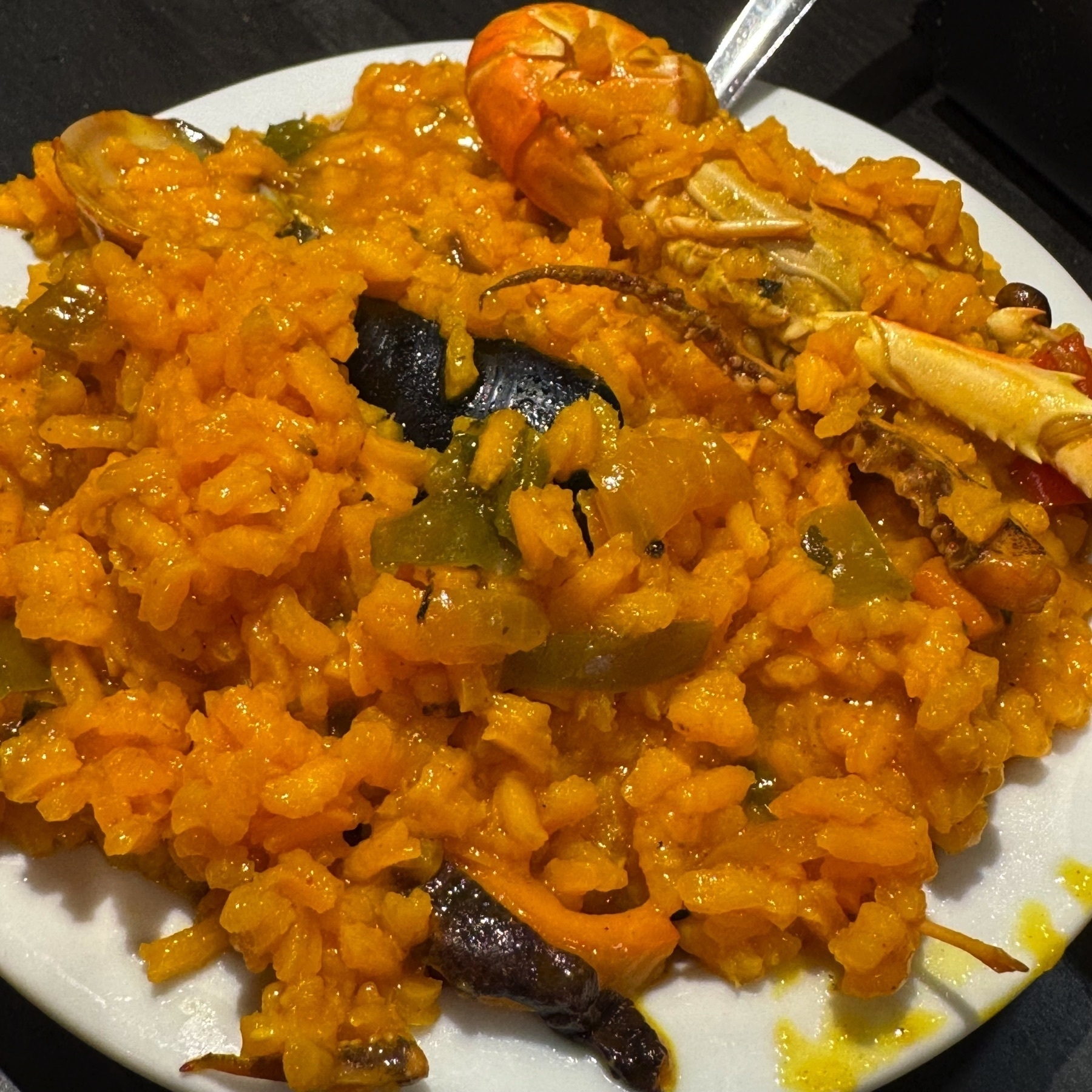
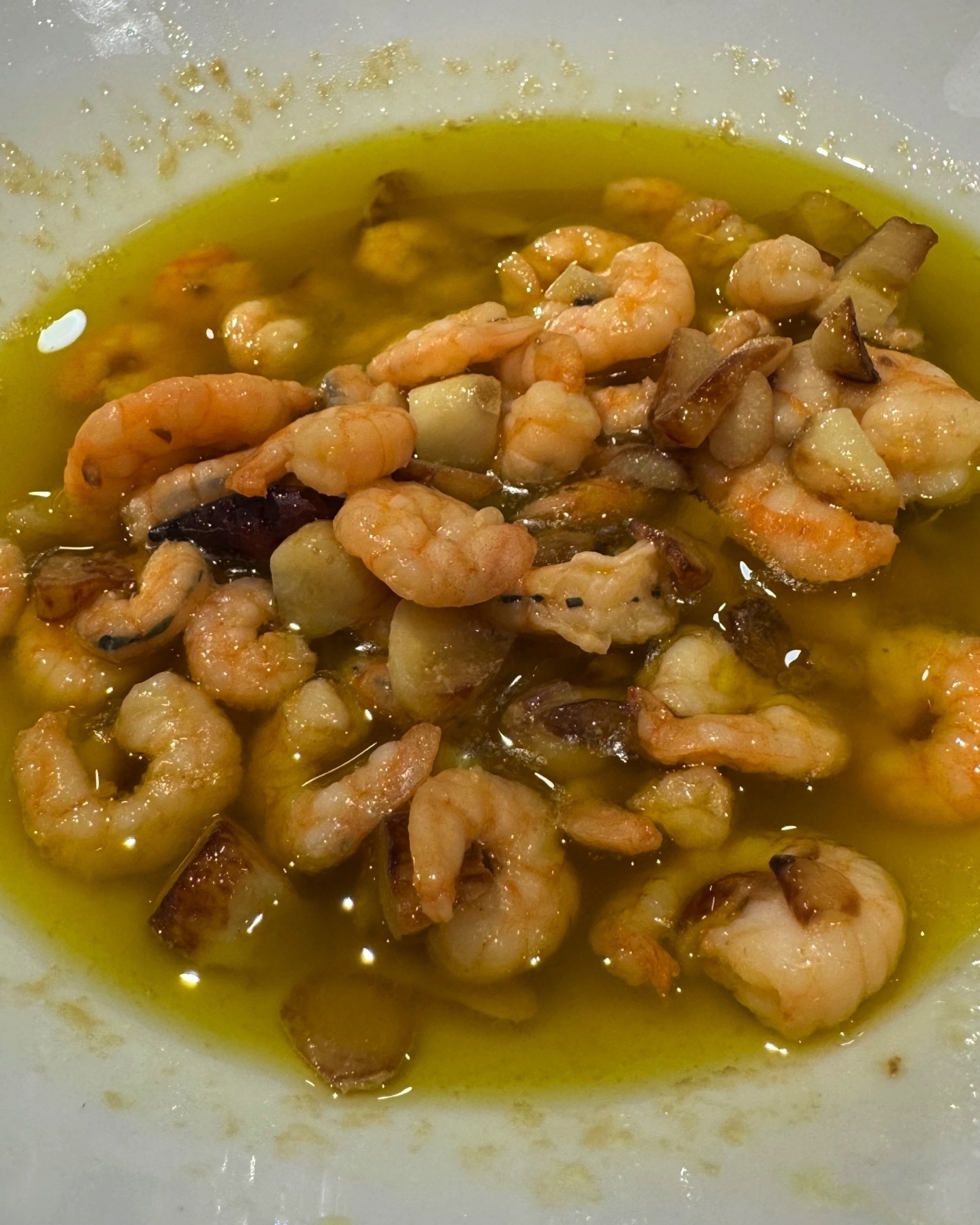
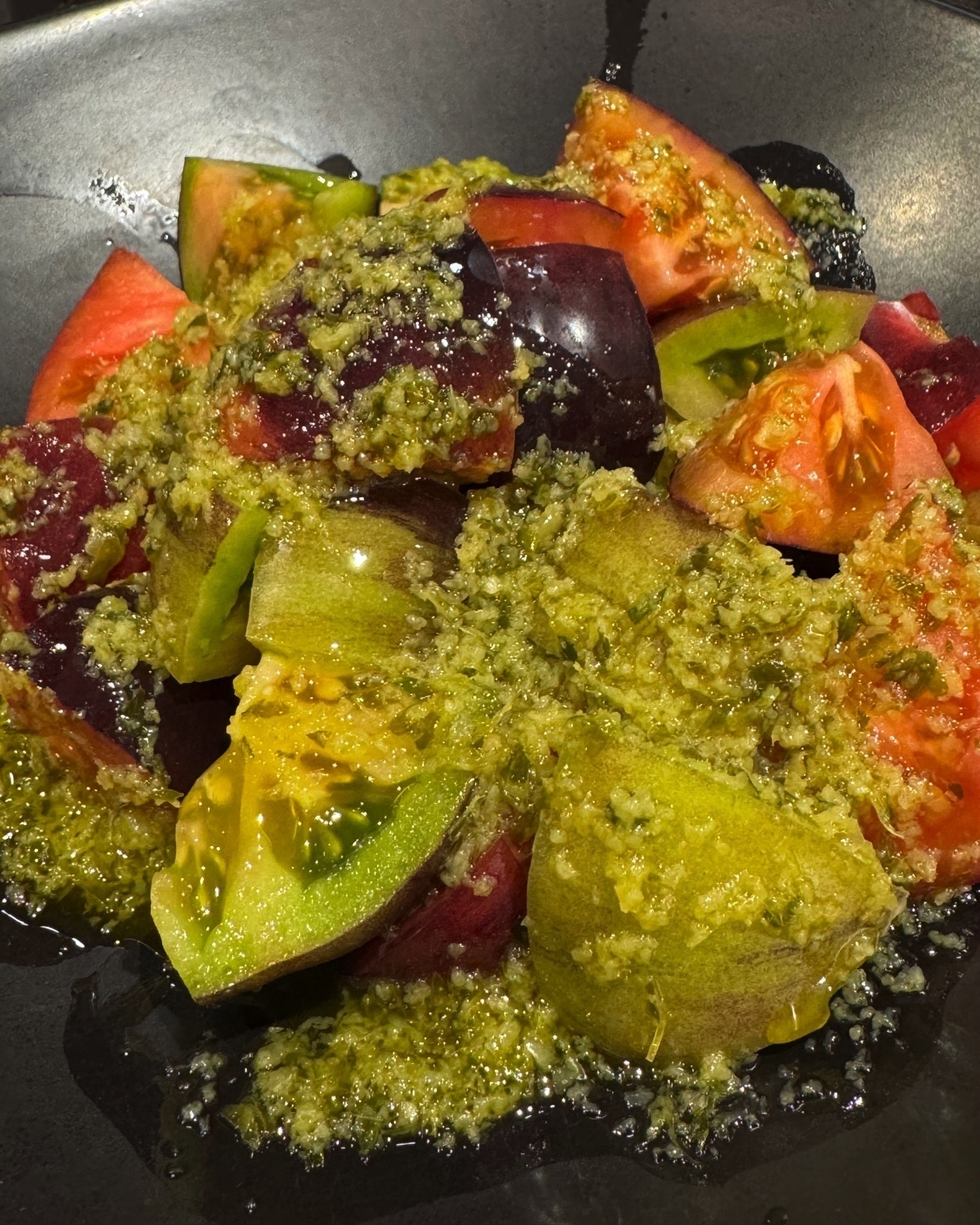
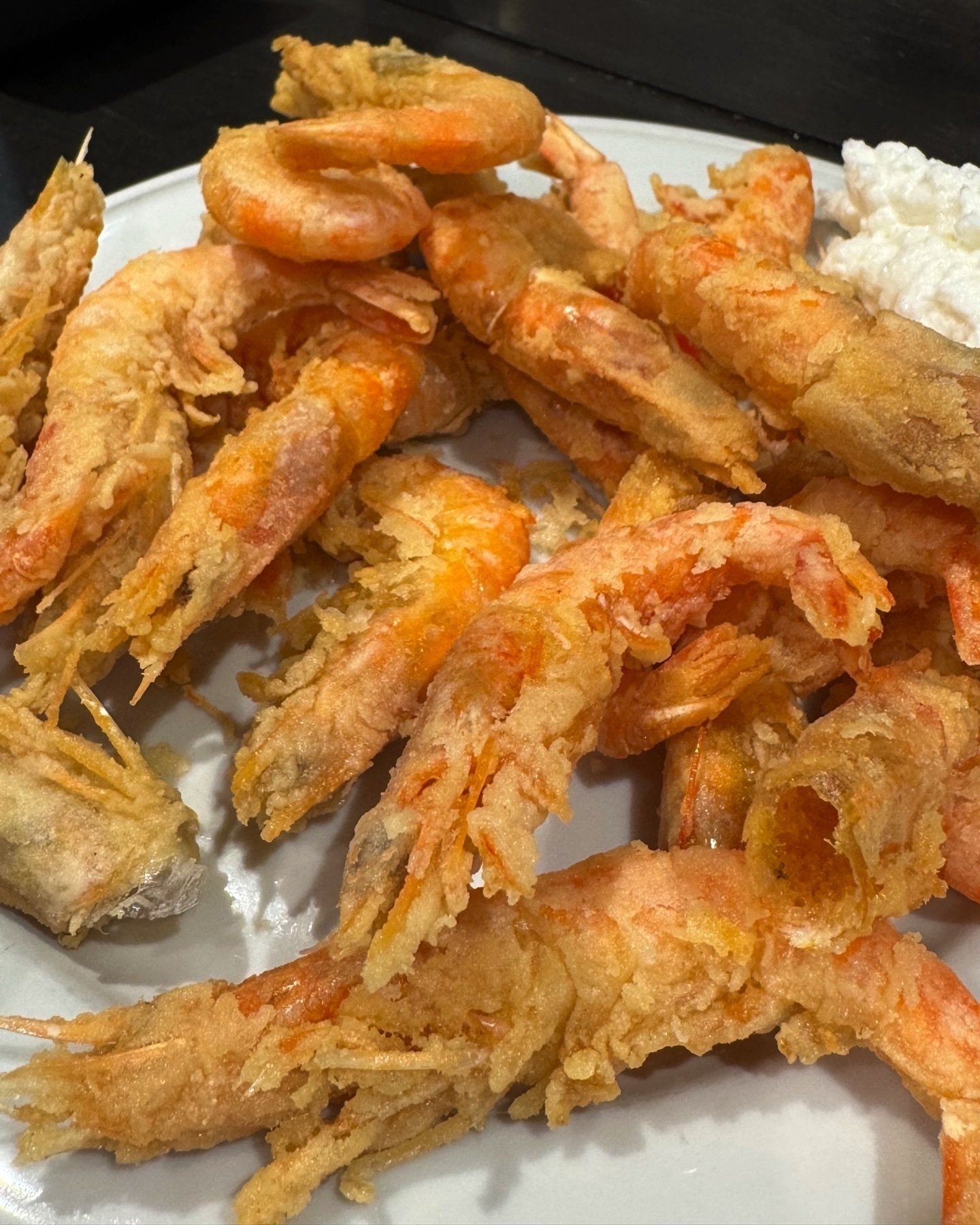
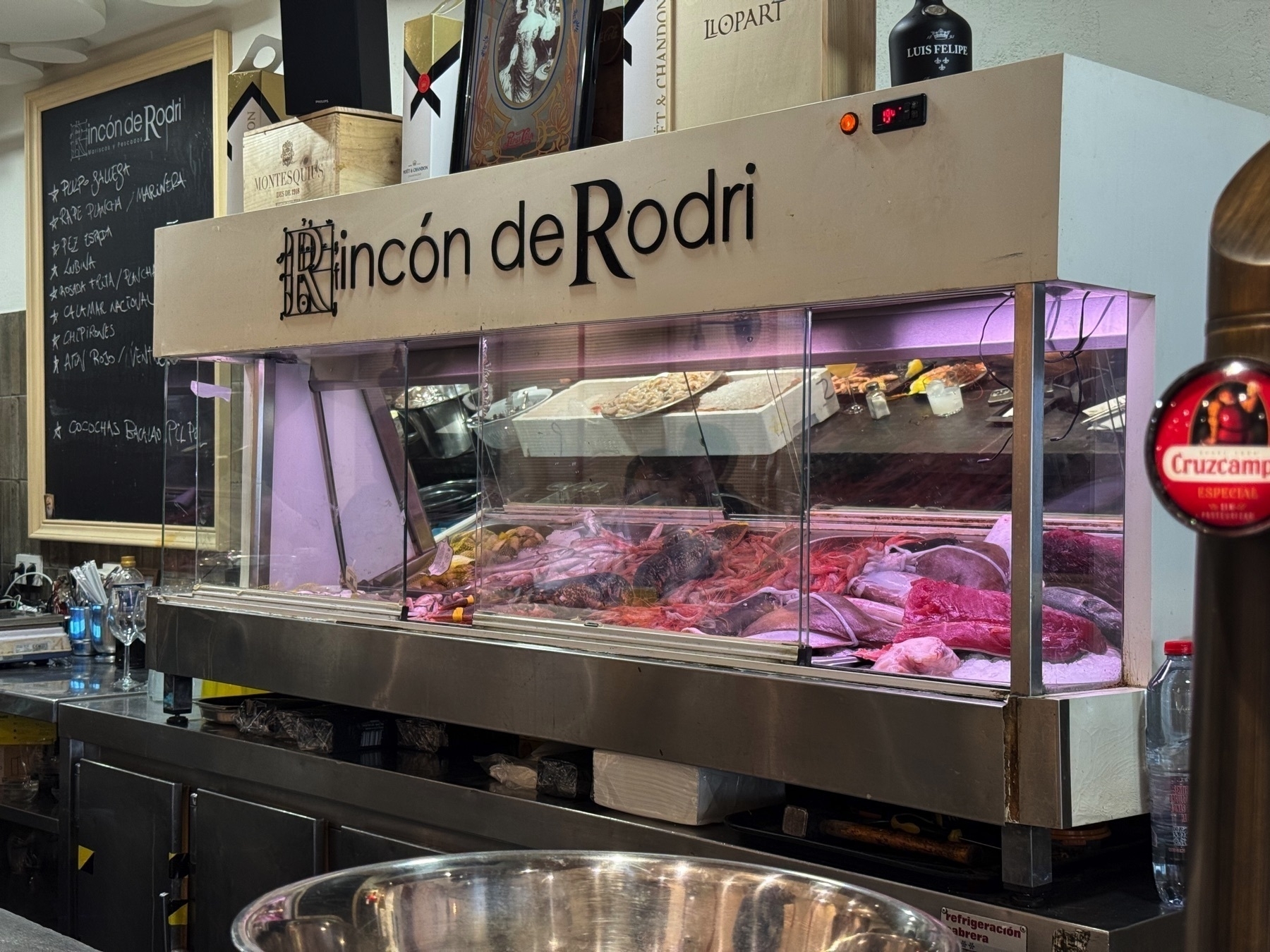
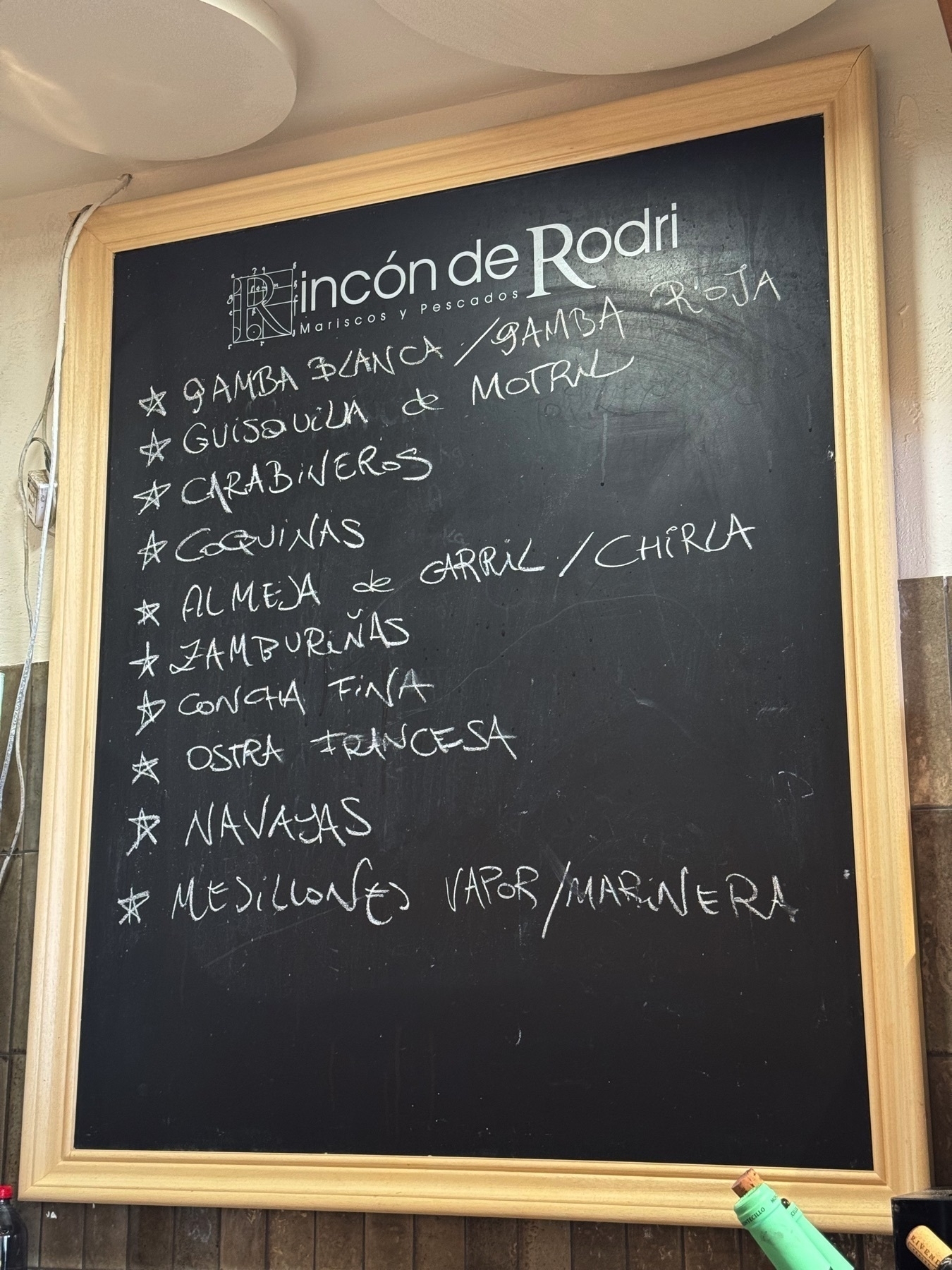
We went to Rincón de Rodri and really enjoyed their zamburiñas (scallops), paella de mariscos (seafood paella), gambas al ajillo (garlic shrimp), and tomate aliñado (seasoned tomato salad). For “free” (when we ordered drinks) they also gave us the fritura de gambas (fried shrimp).
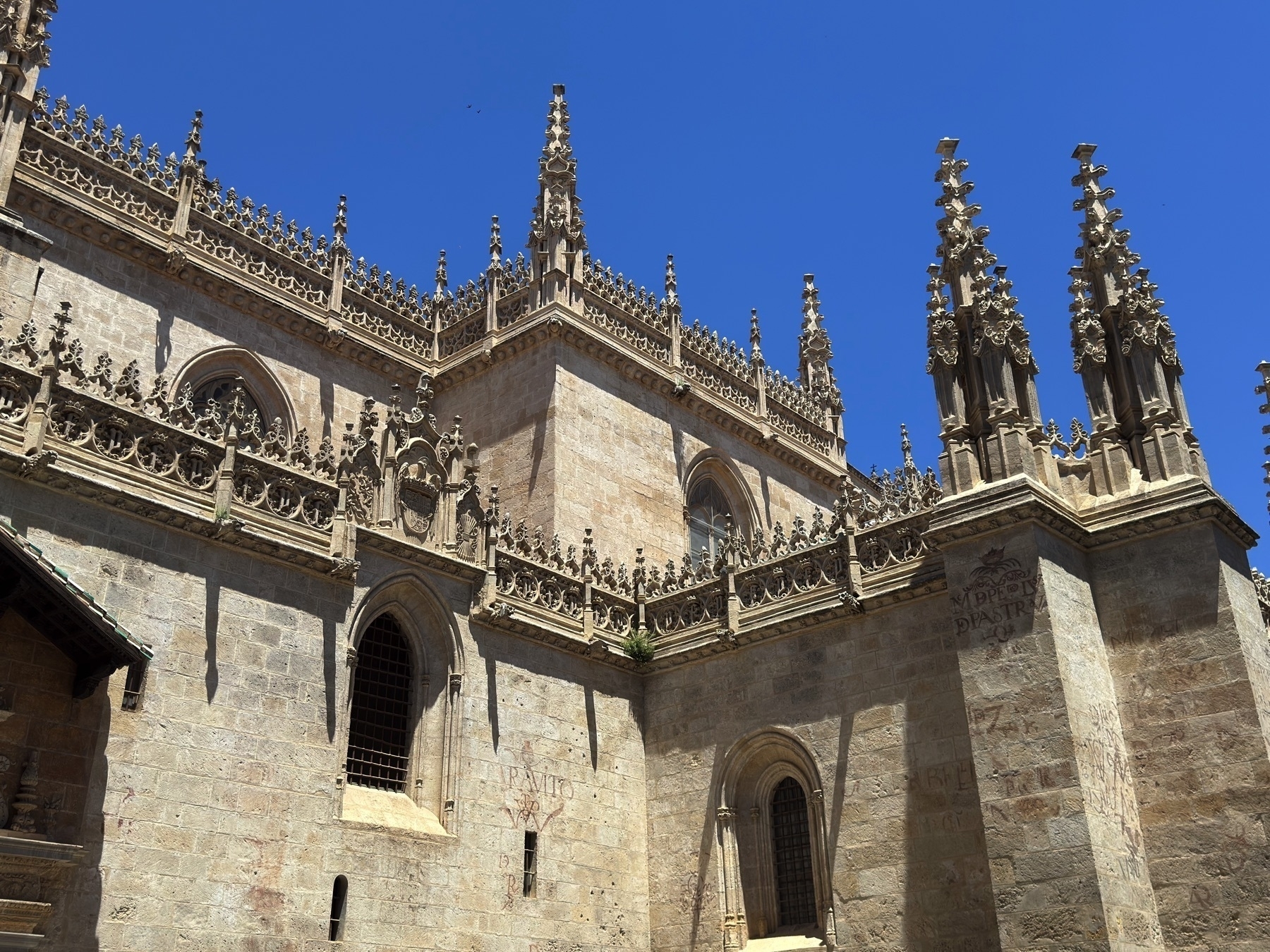
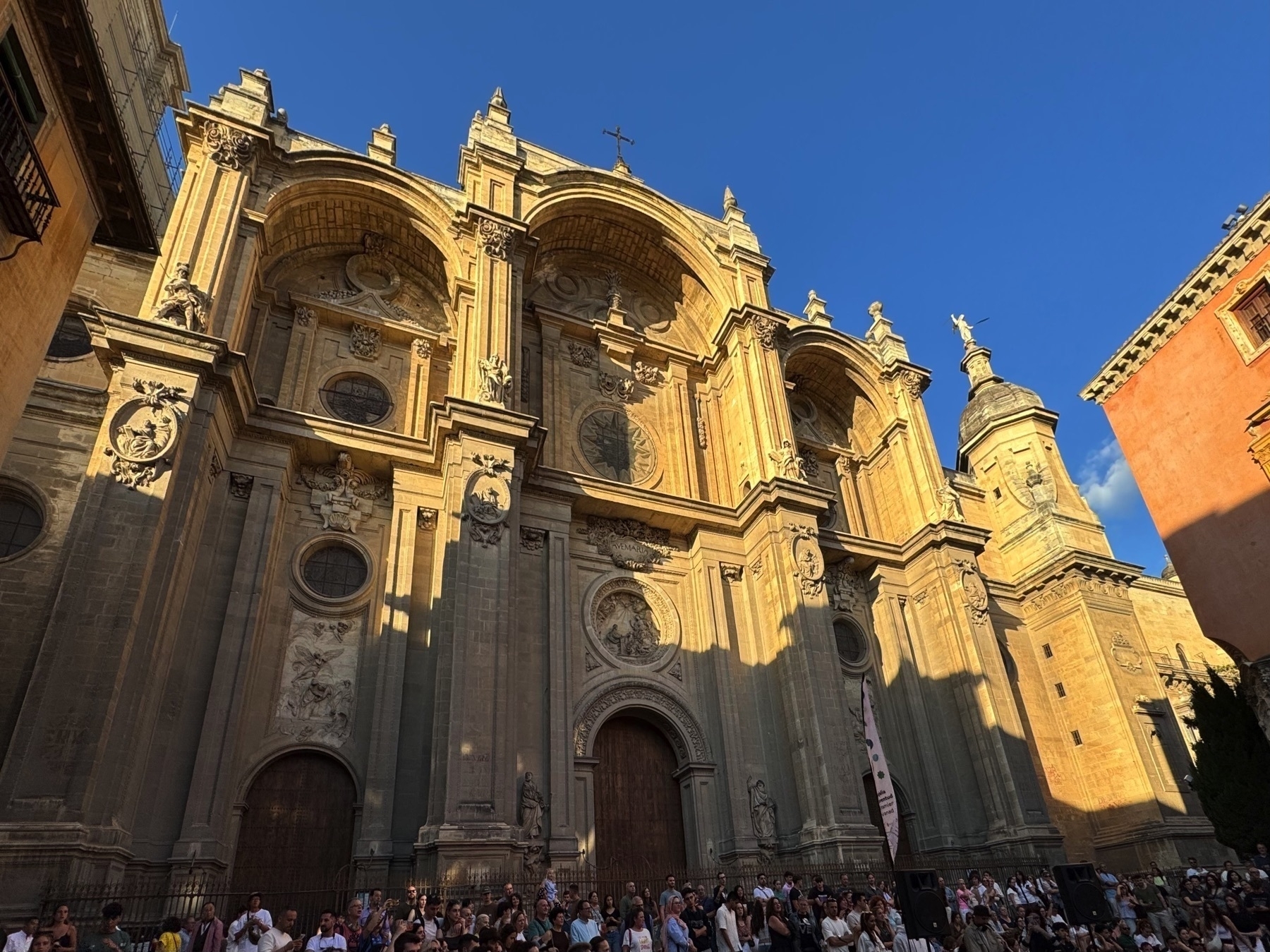
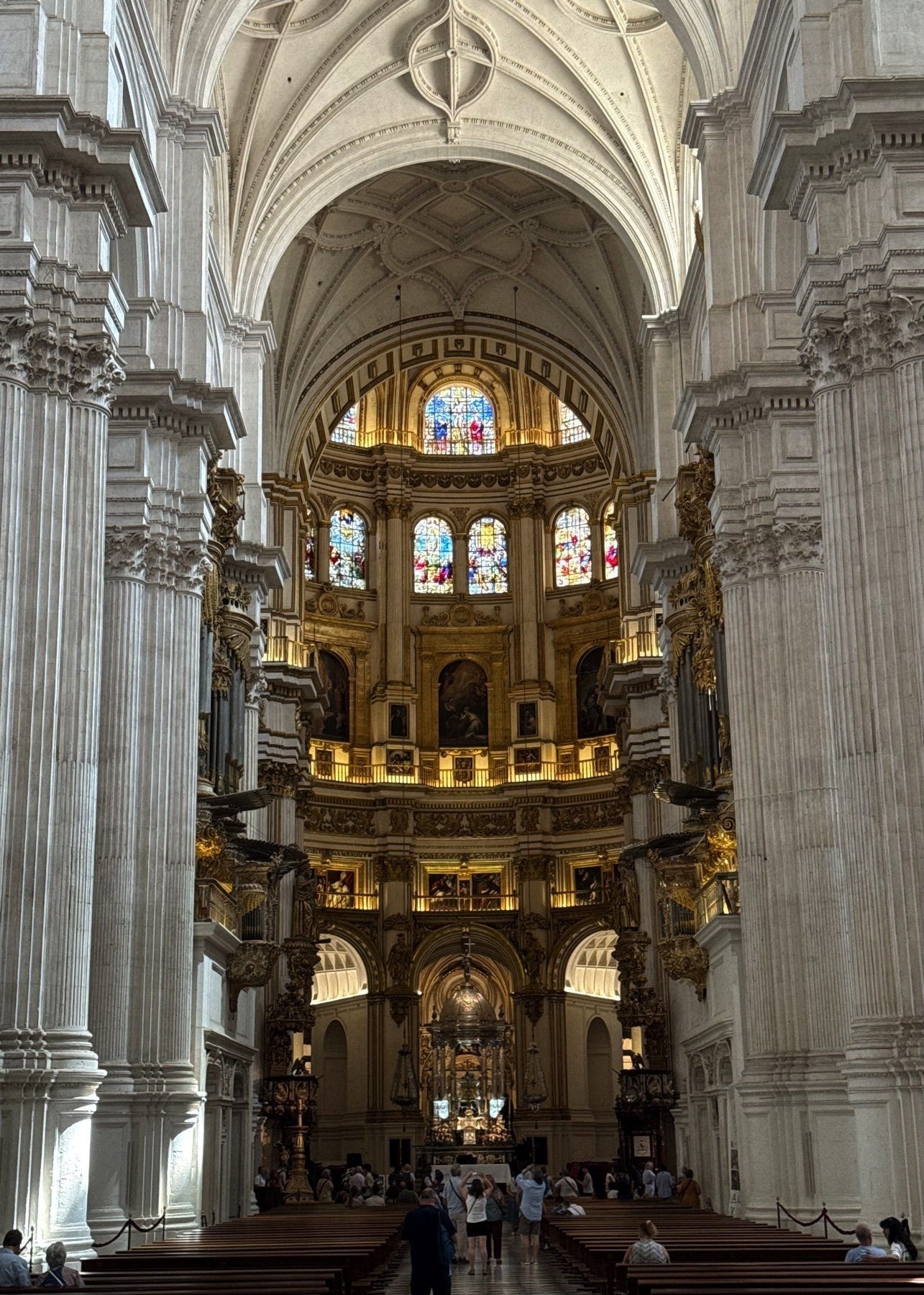
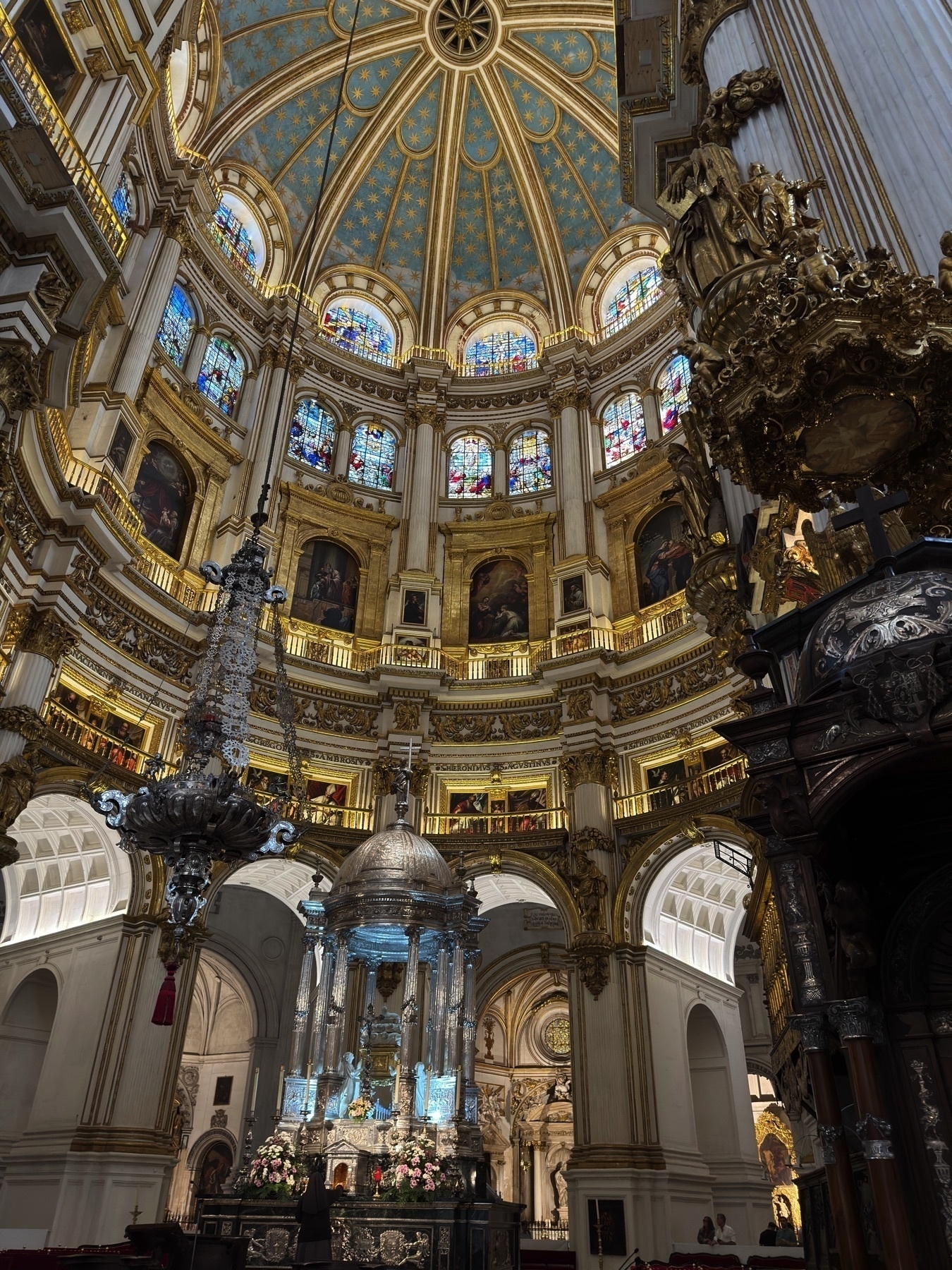
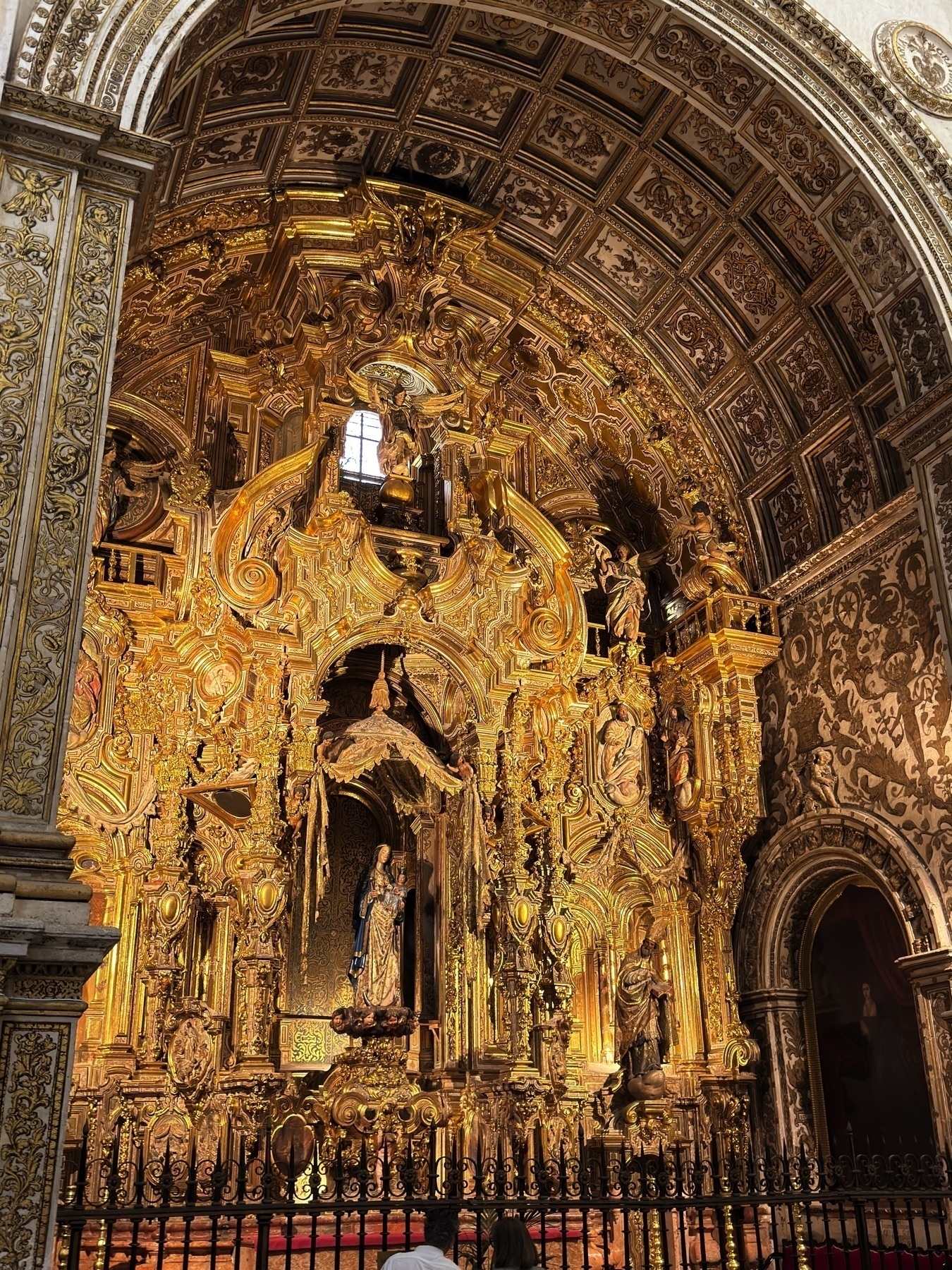
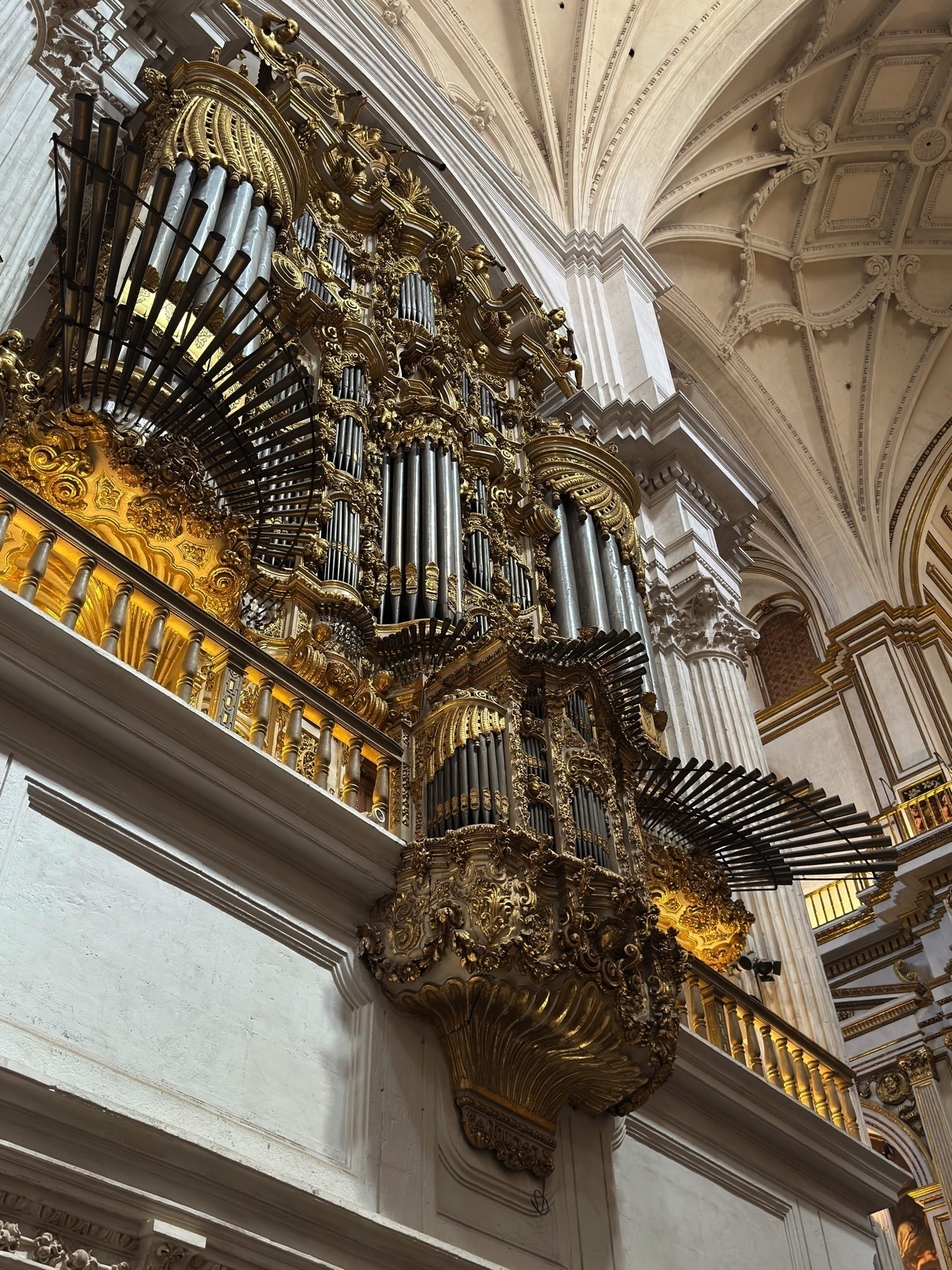
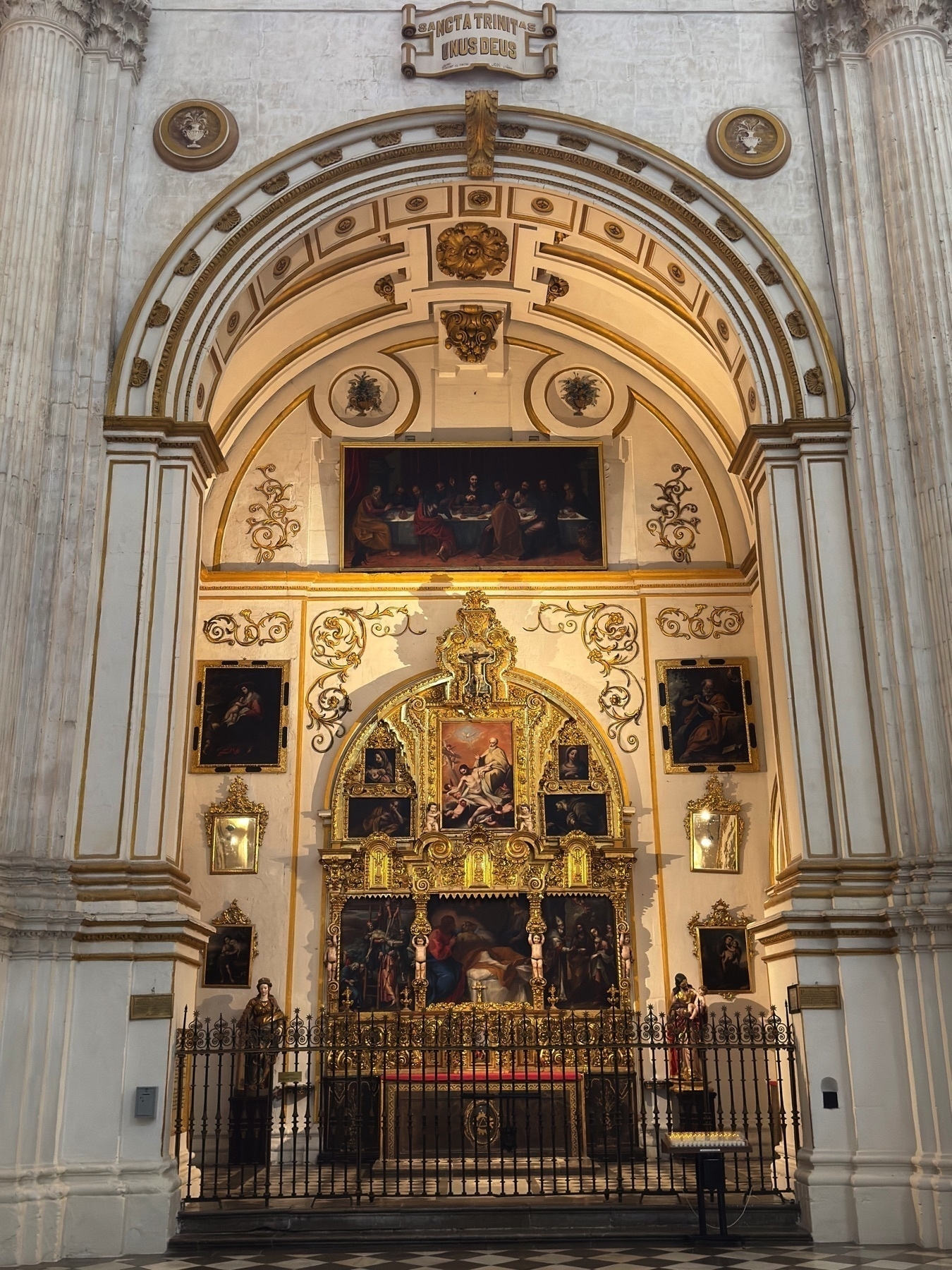
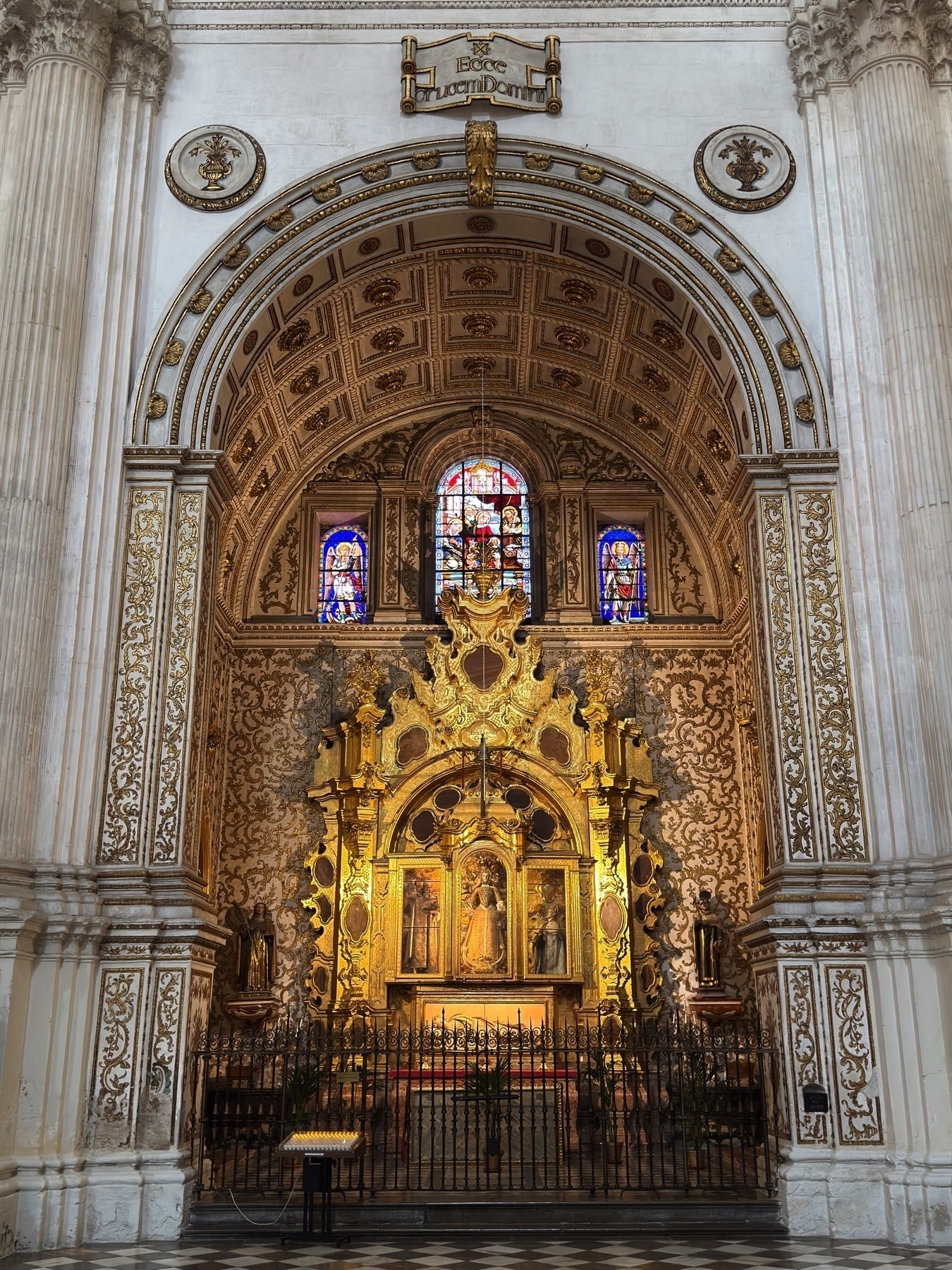
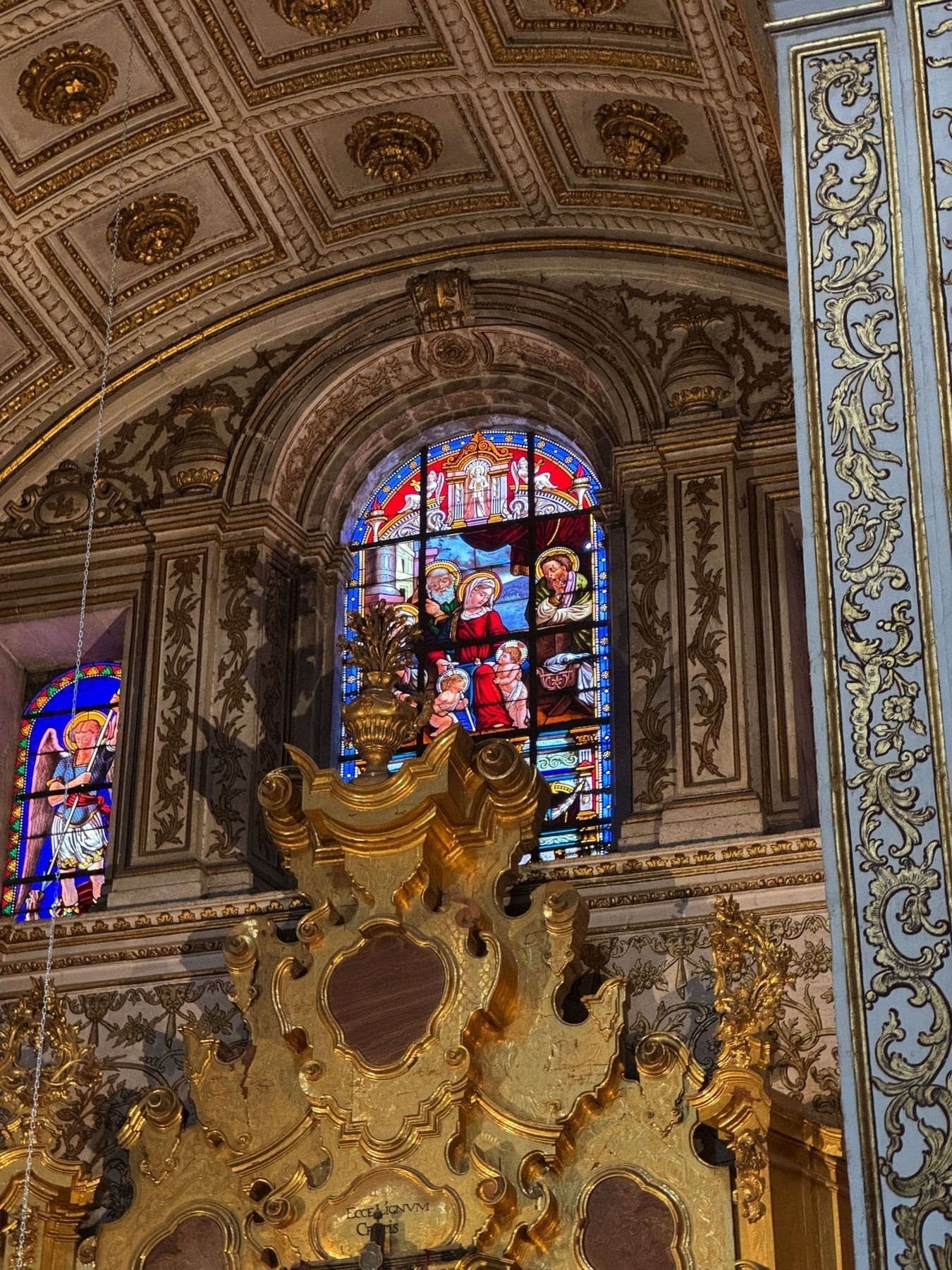
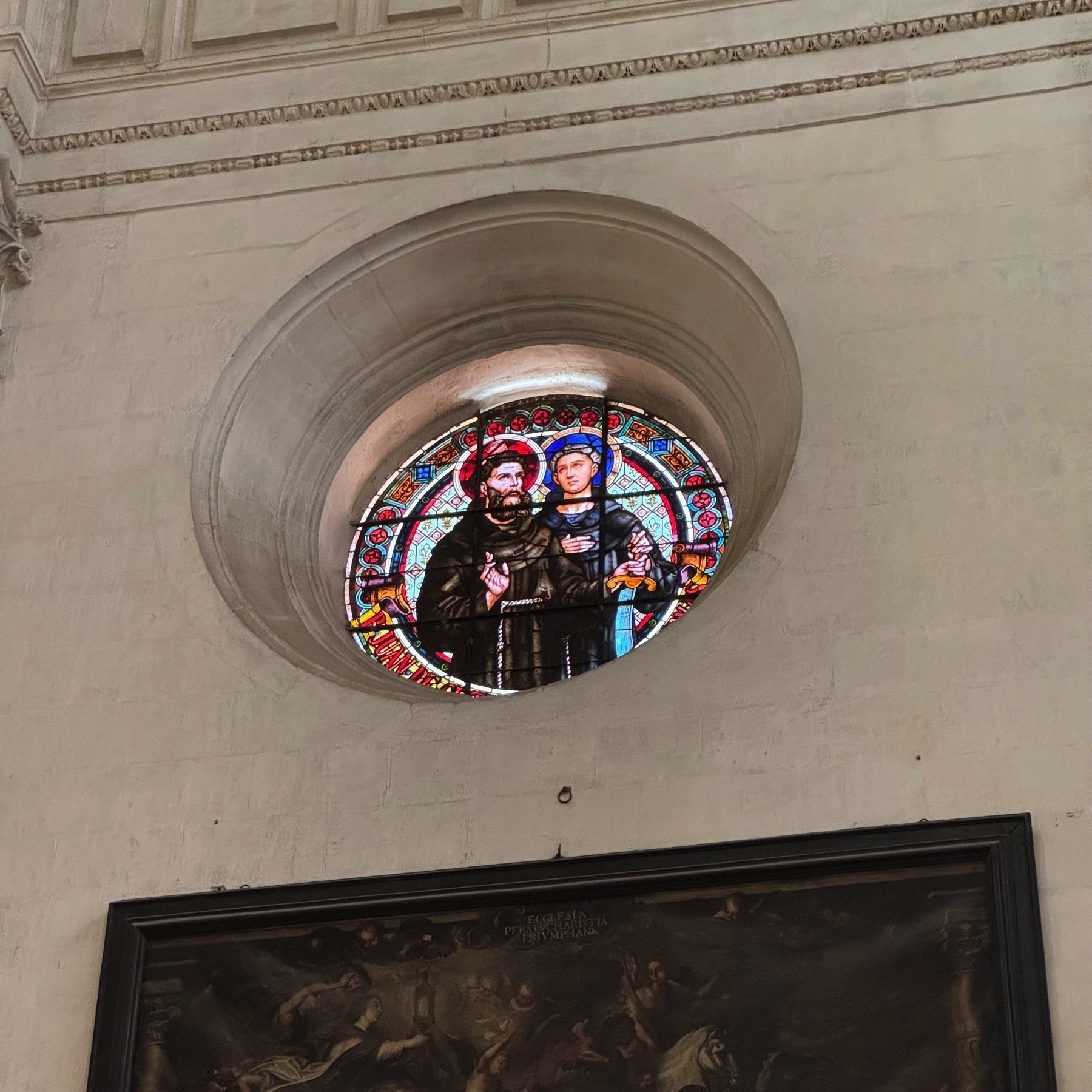
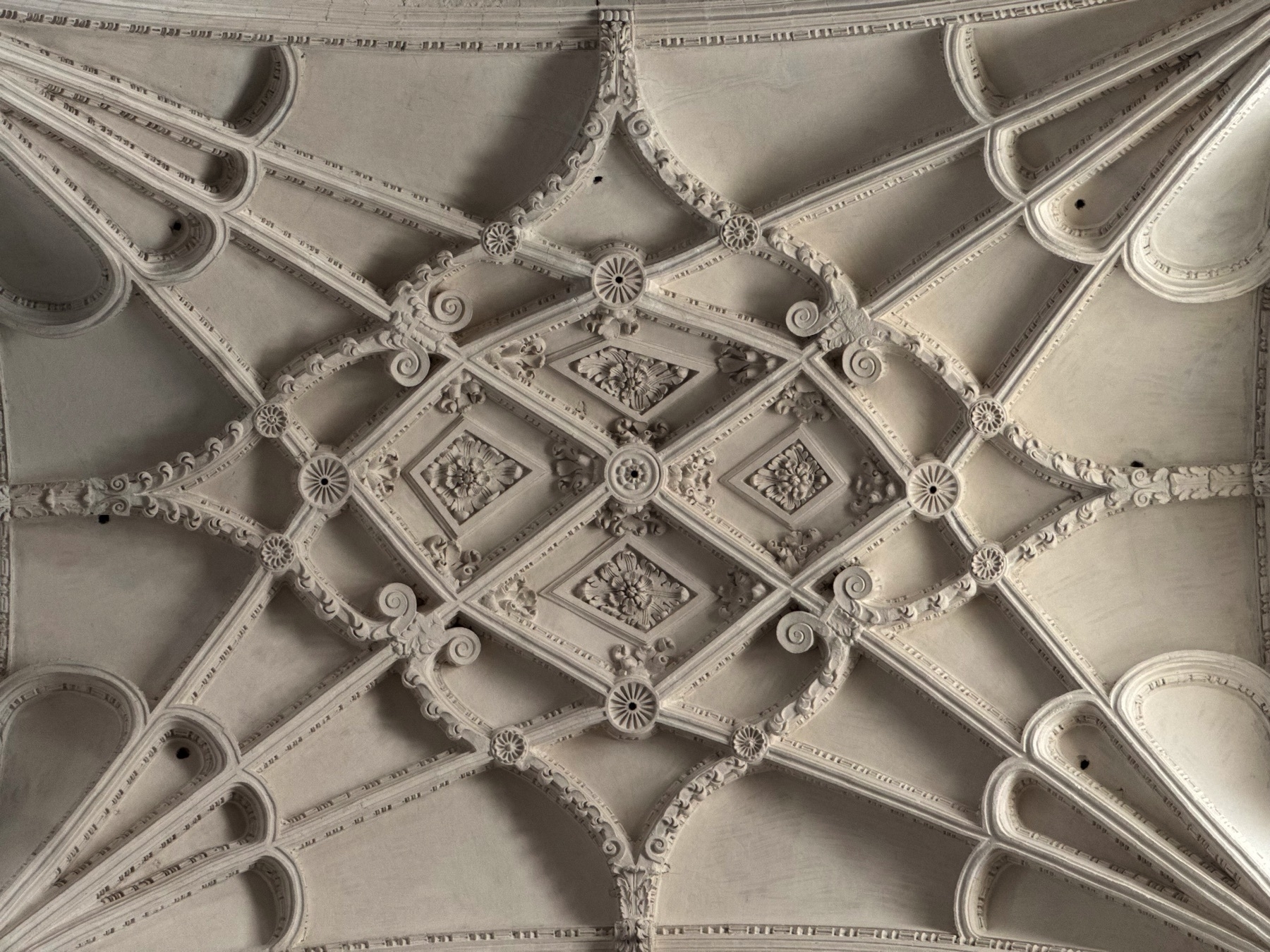
The Granada Cathedral is enormous. Inside, towering columns rise into sweeping arches that seem to hold up the entire sky. Even the “smaller” chapels lining the nave feel monumental. Each one is richly decorated and spacious enough to be a little church on its own.
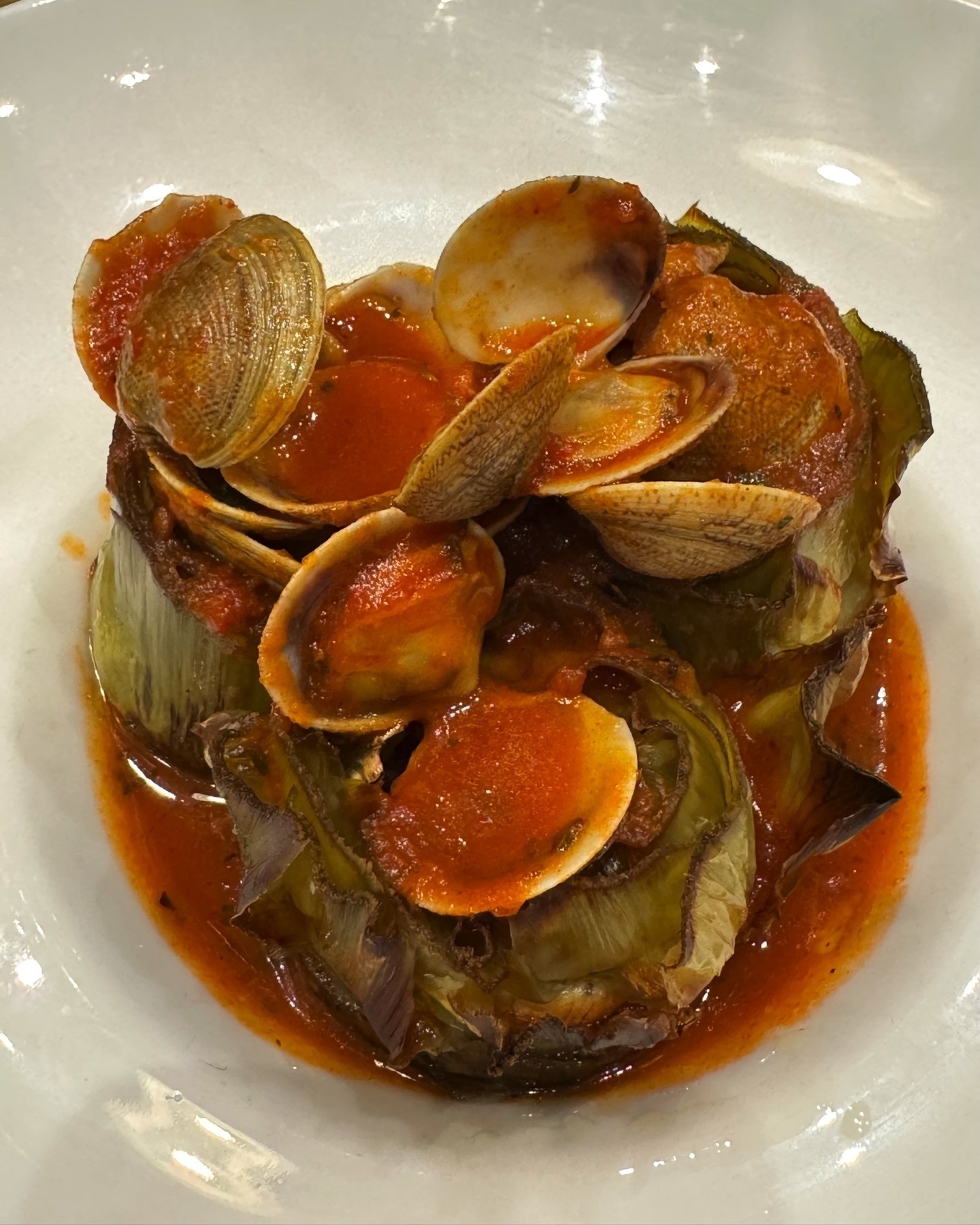
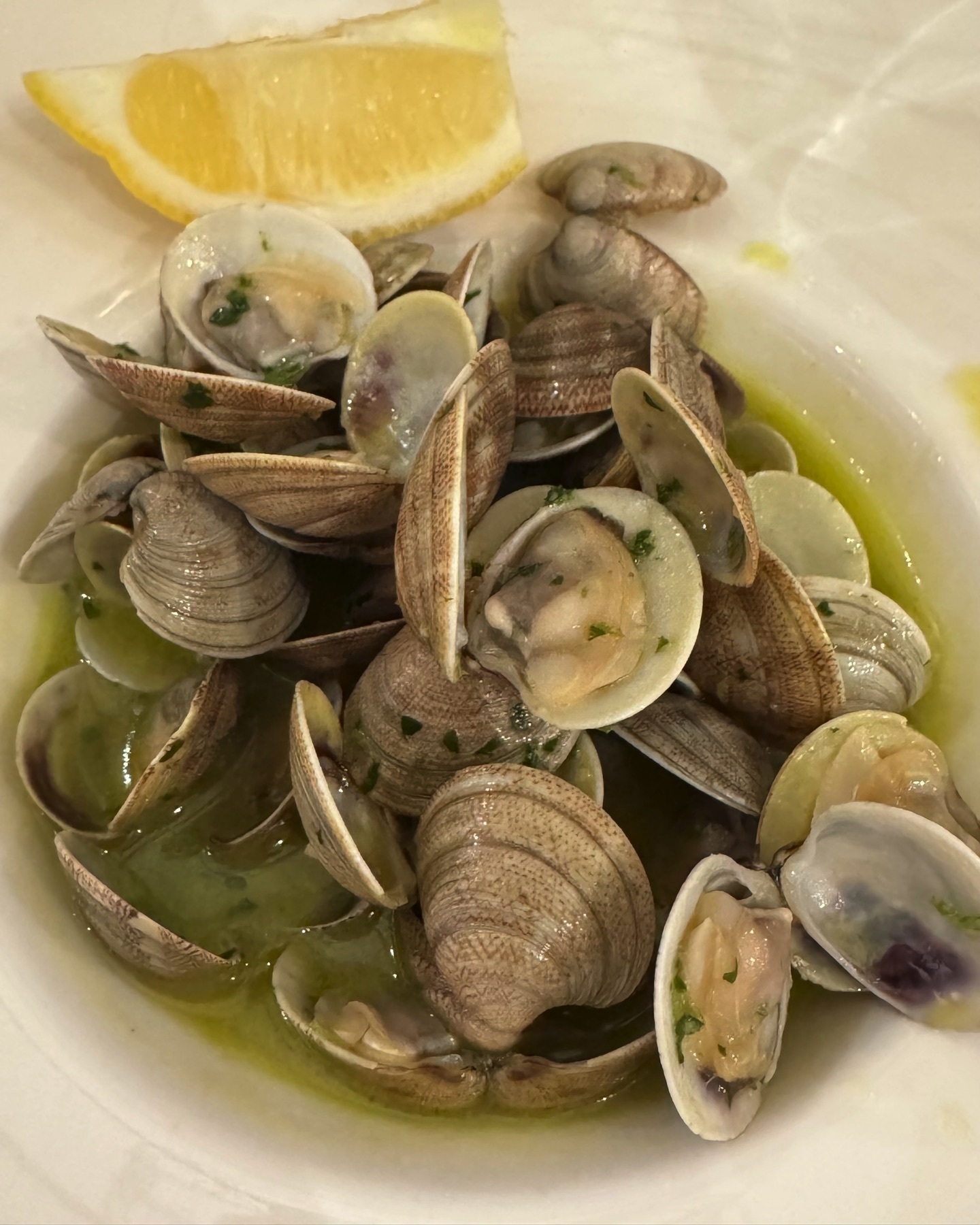
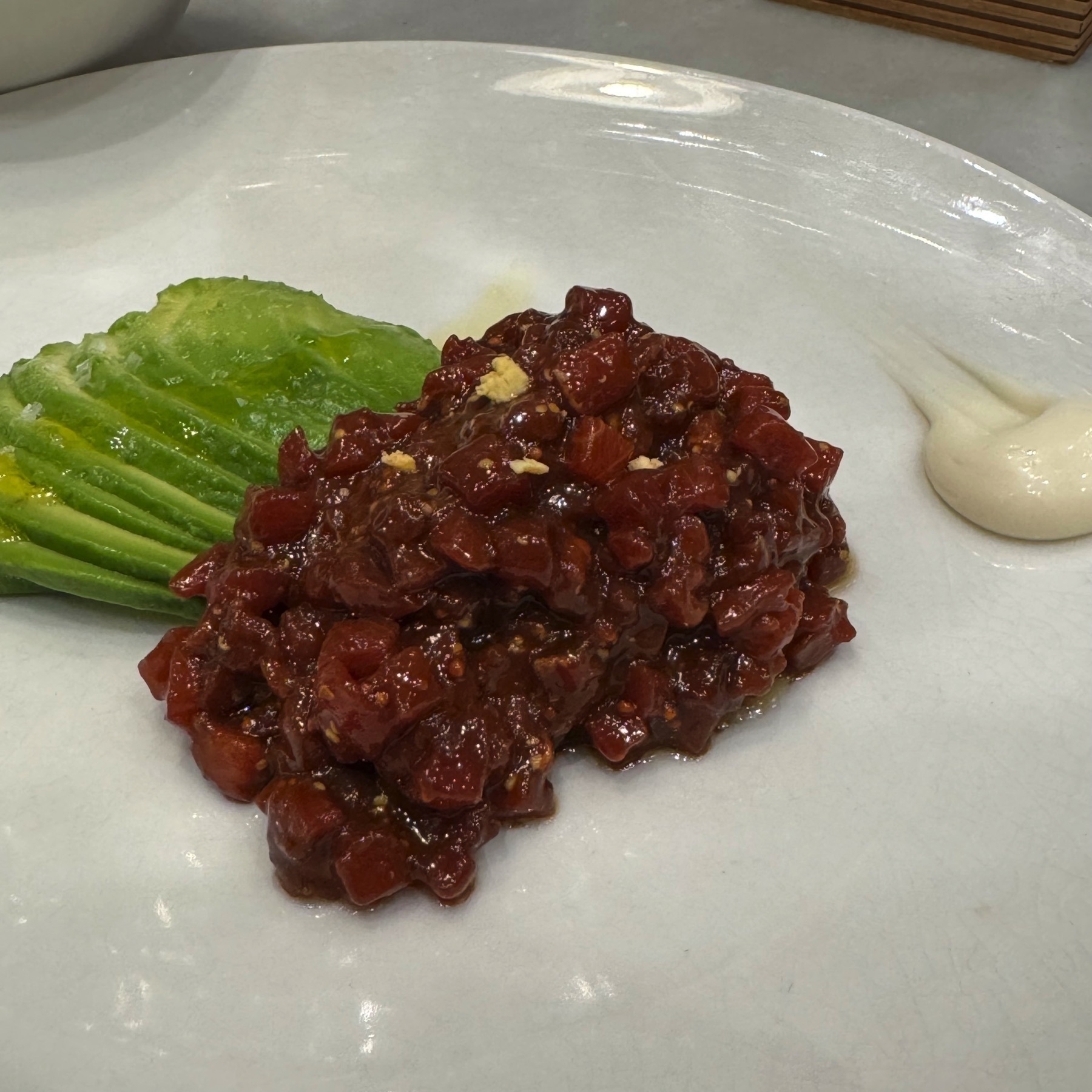
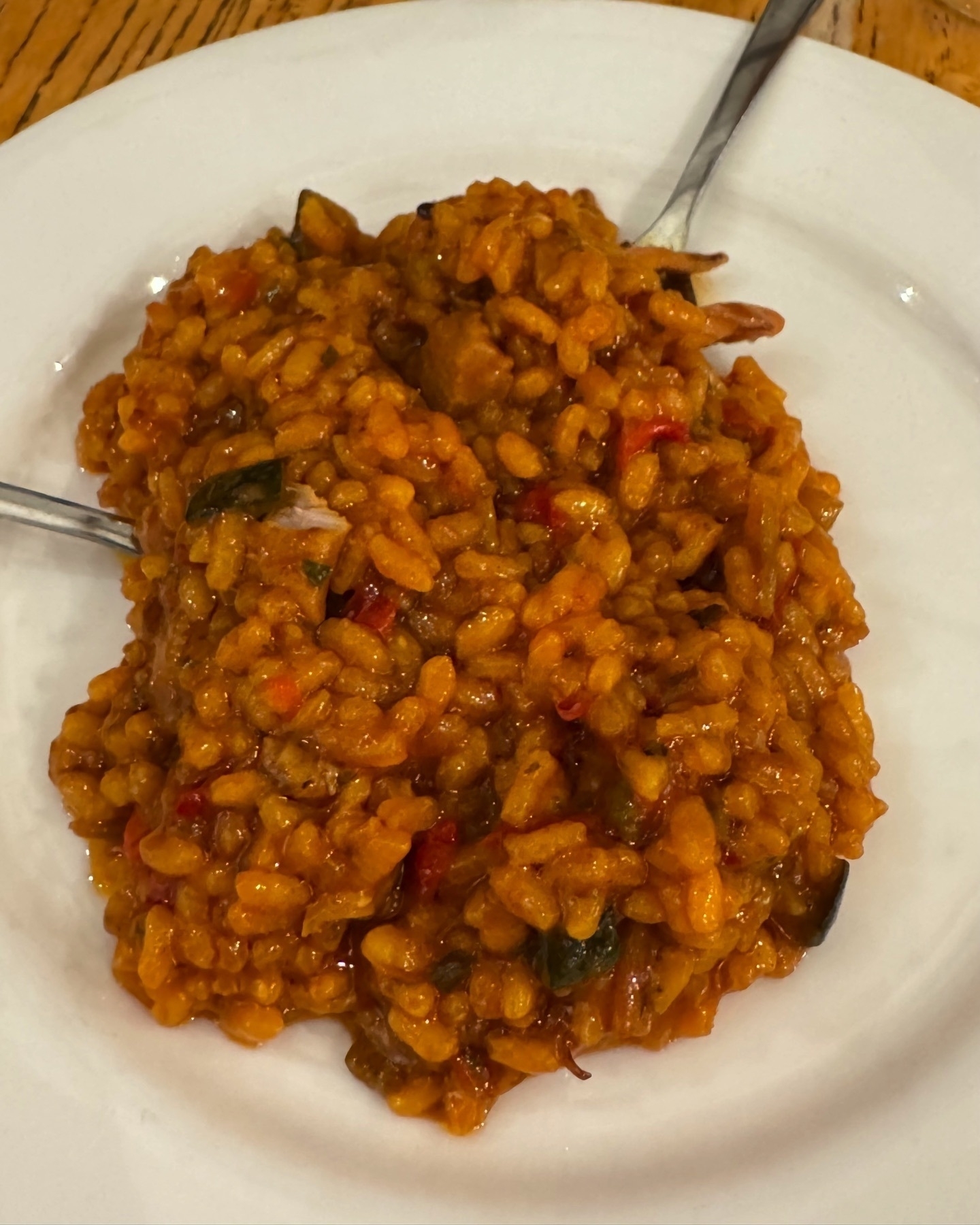
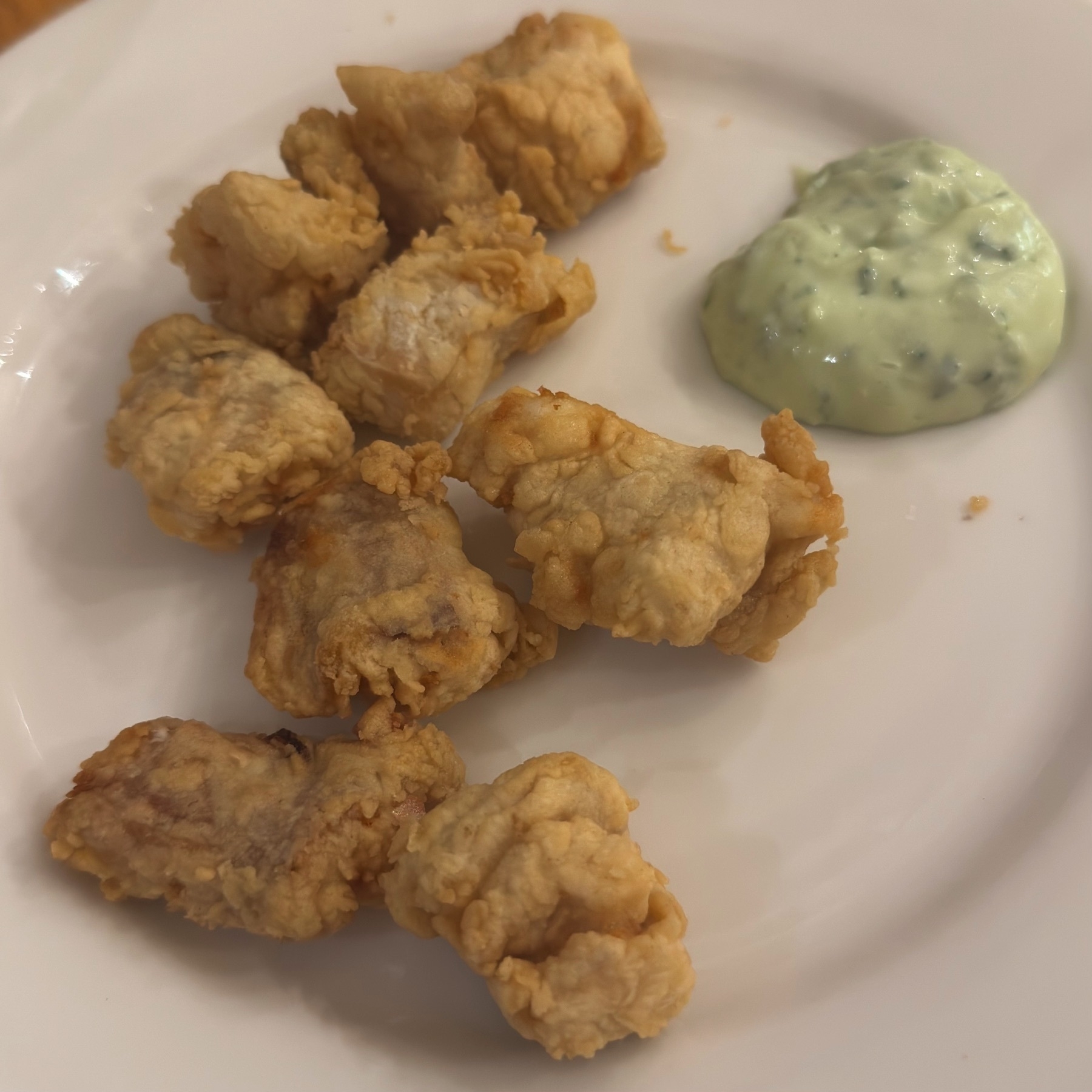
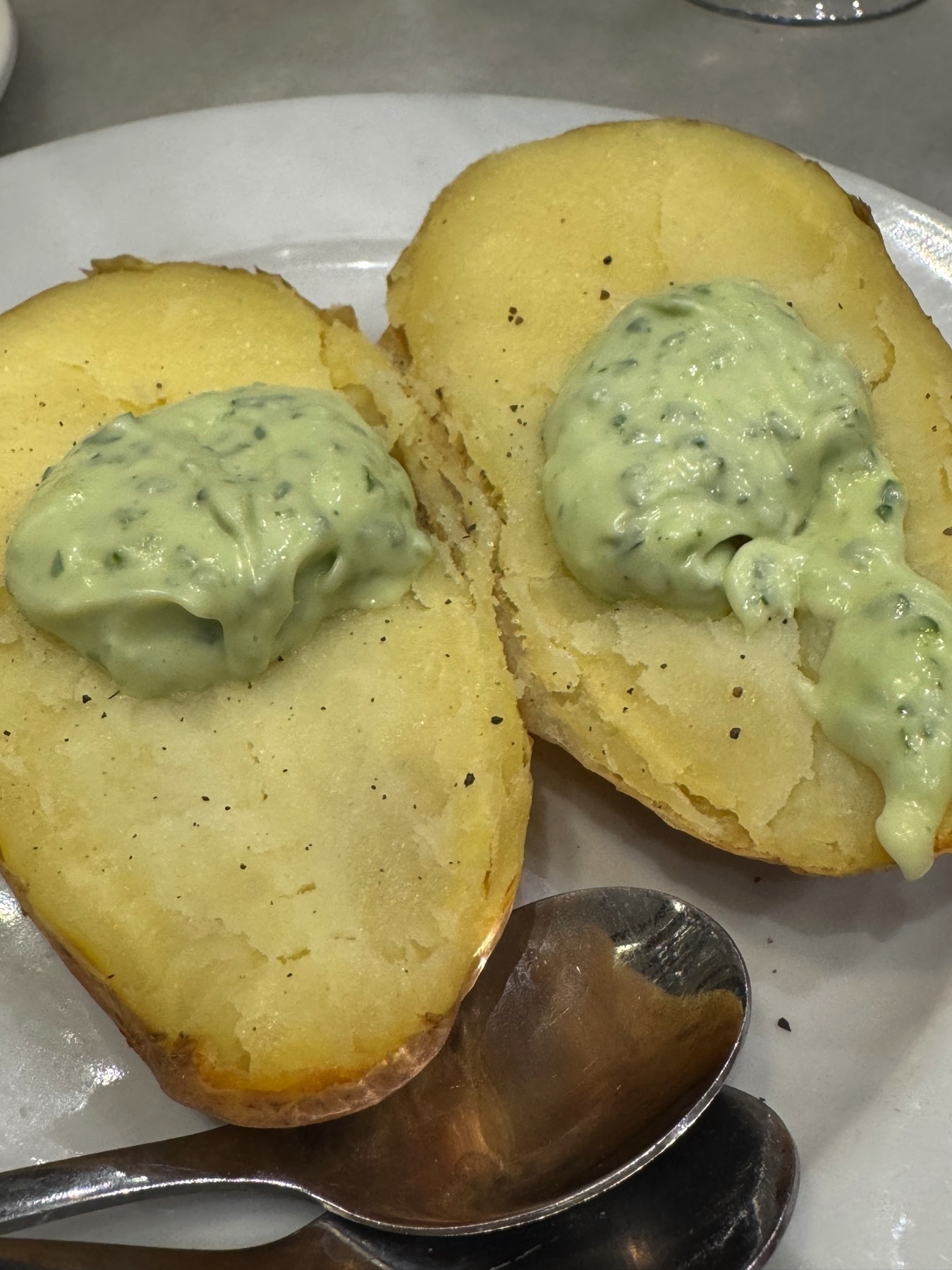
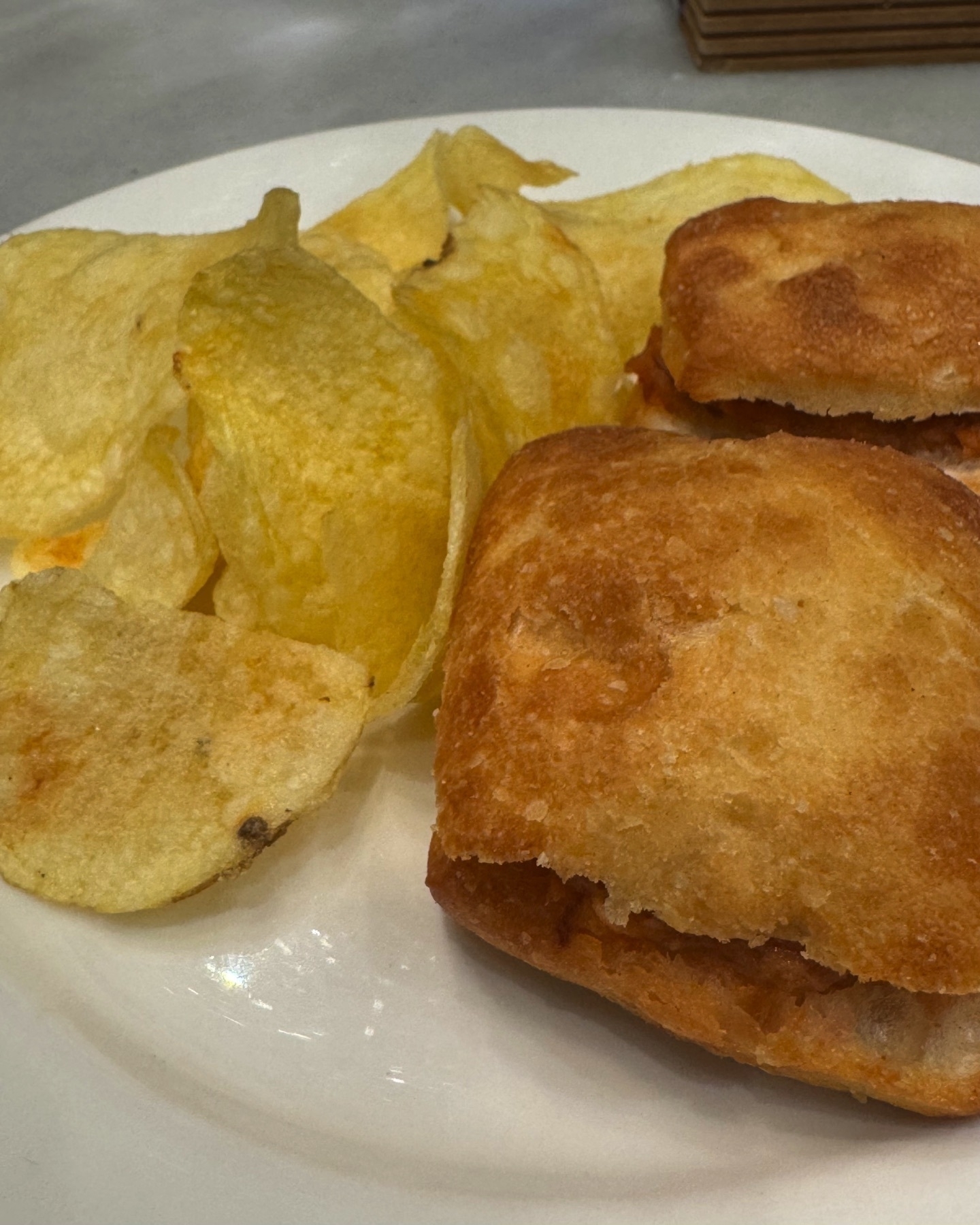
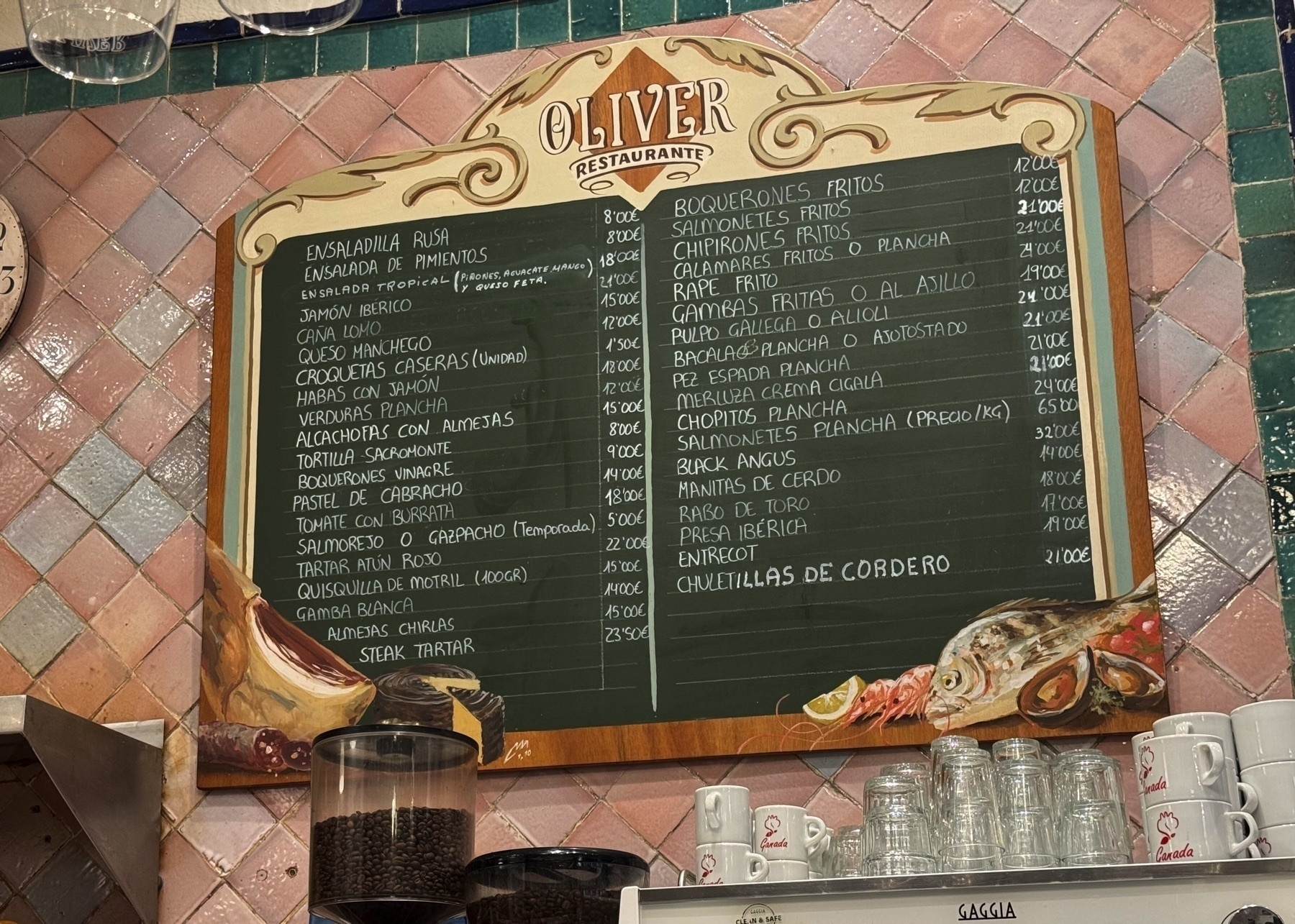
Twice we went to Restaurante Oliver. We loved the alcachofas con almejas (artichokes with clams), almejas chirlas (clams in broth), and the tartar de atún rojo (tuna tartare).
For “free” (when we got drinks) they served us arroz, pescado frito, patatas, and the bocadillo de atún con patatas fritas.
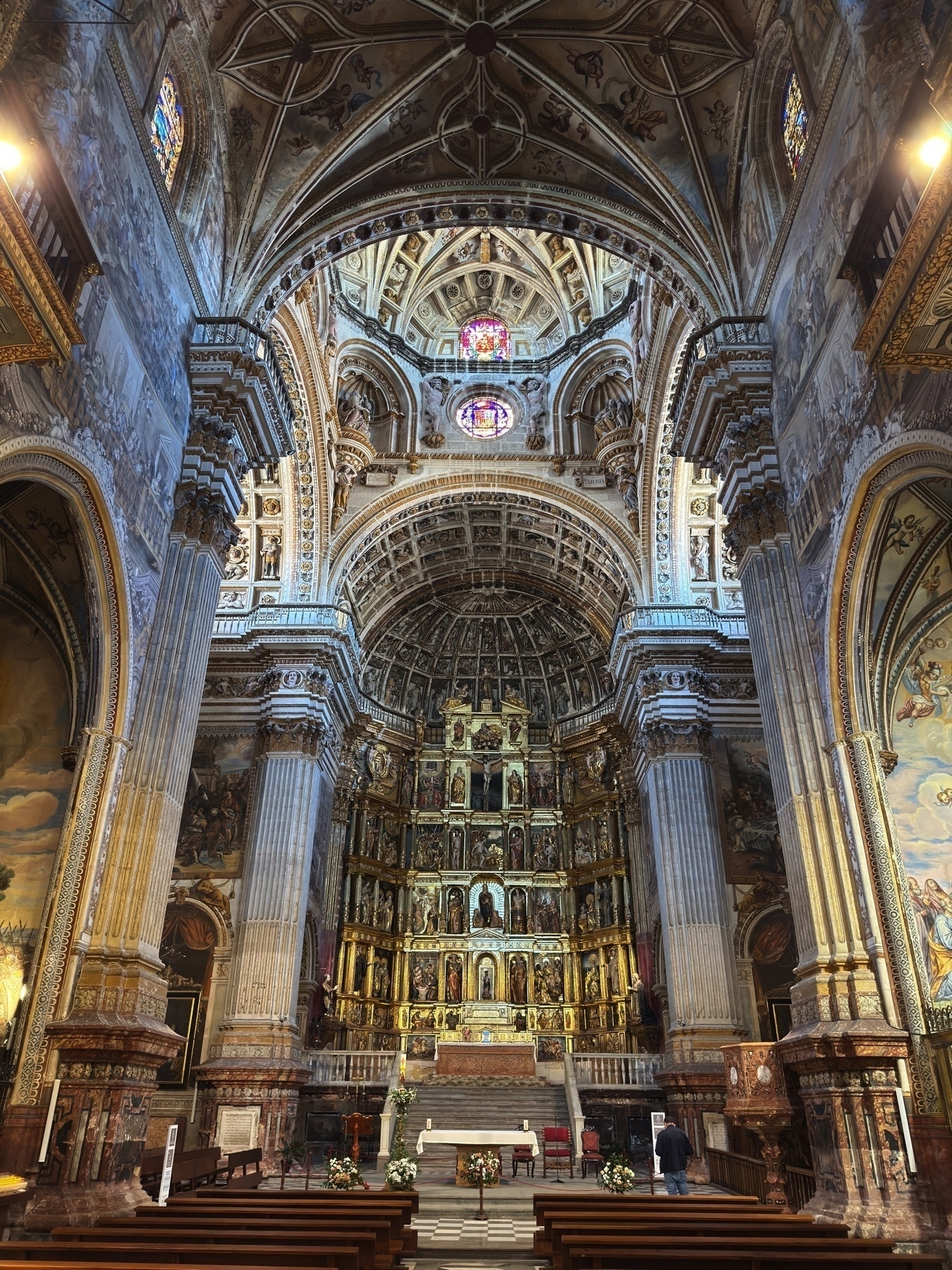
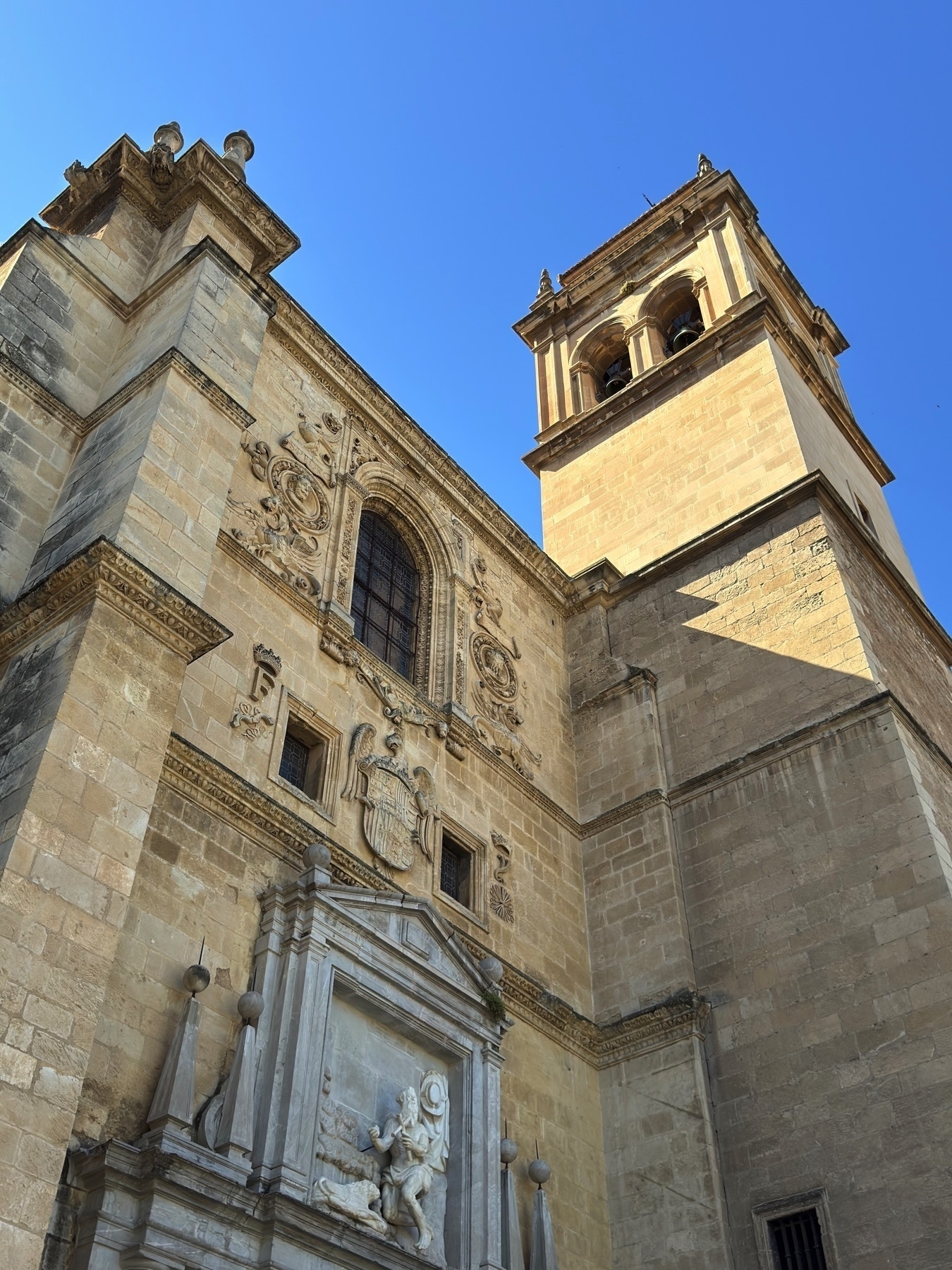
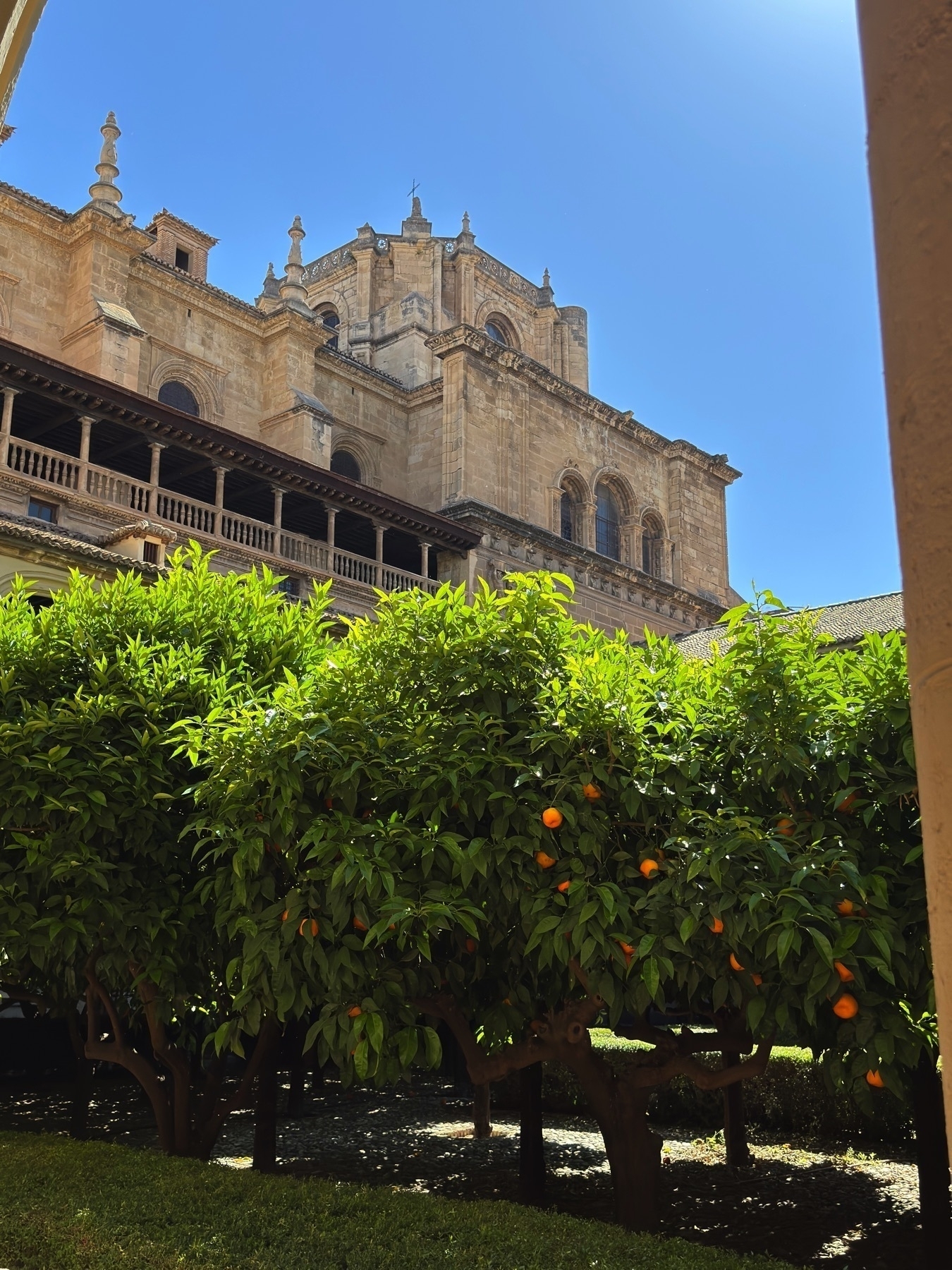
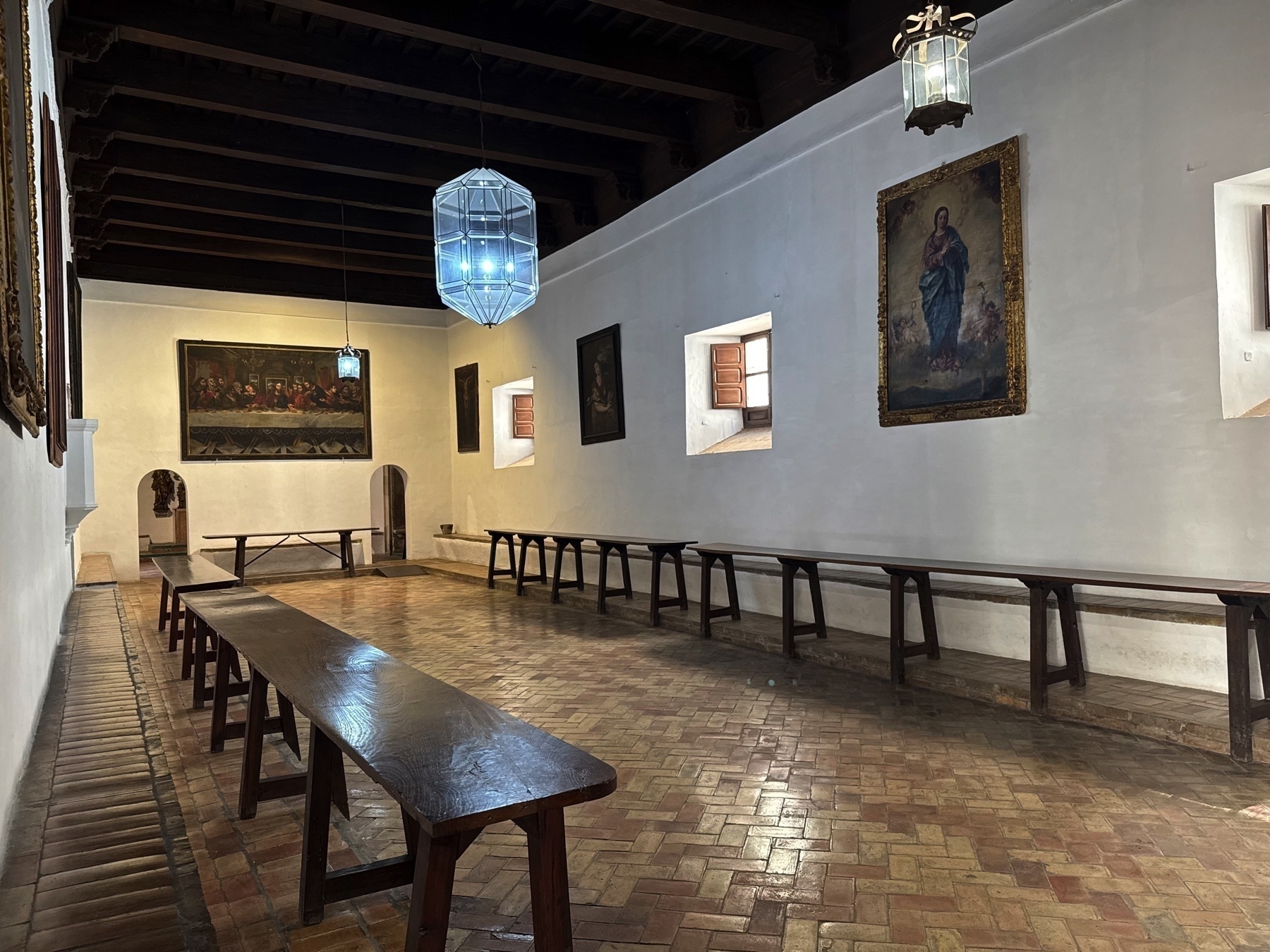
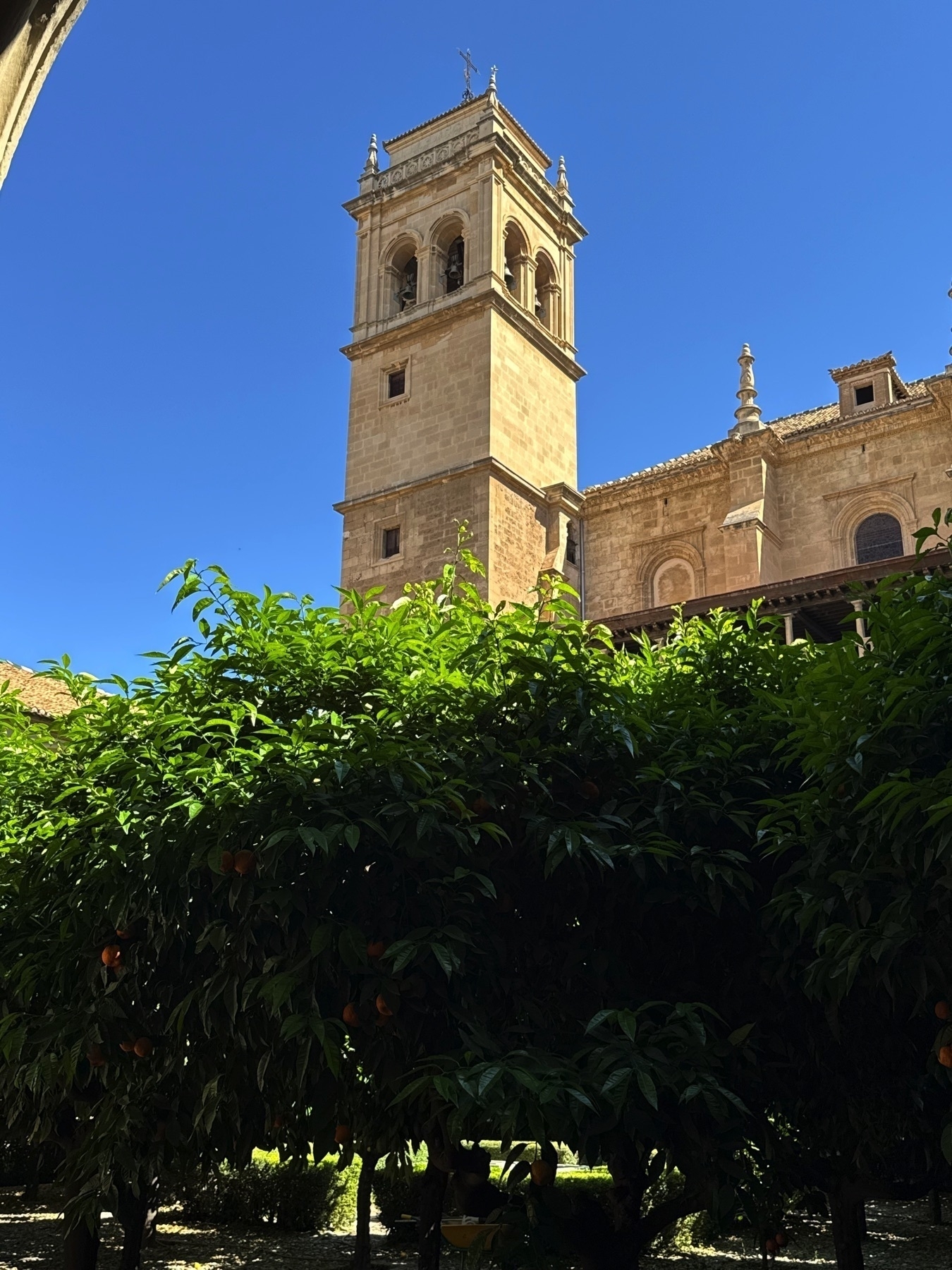
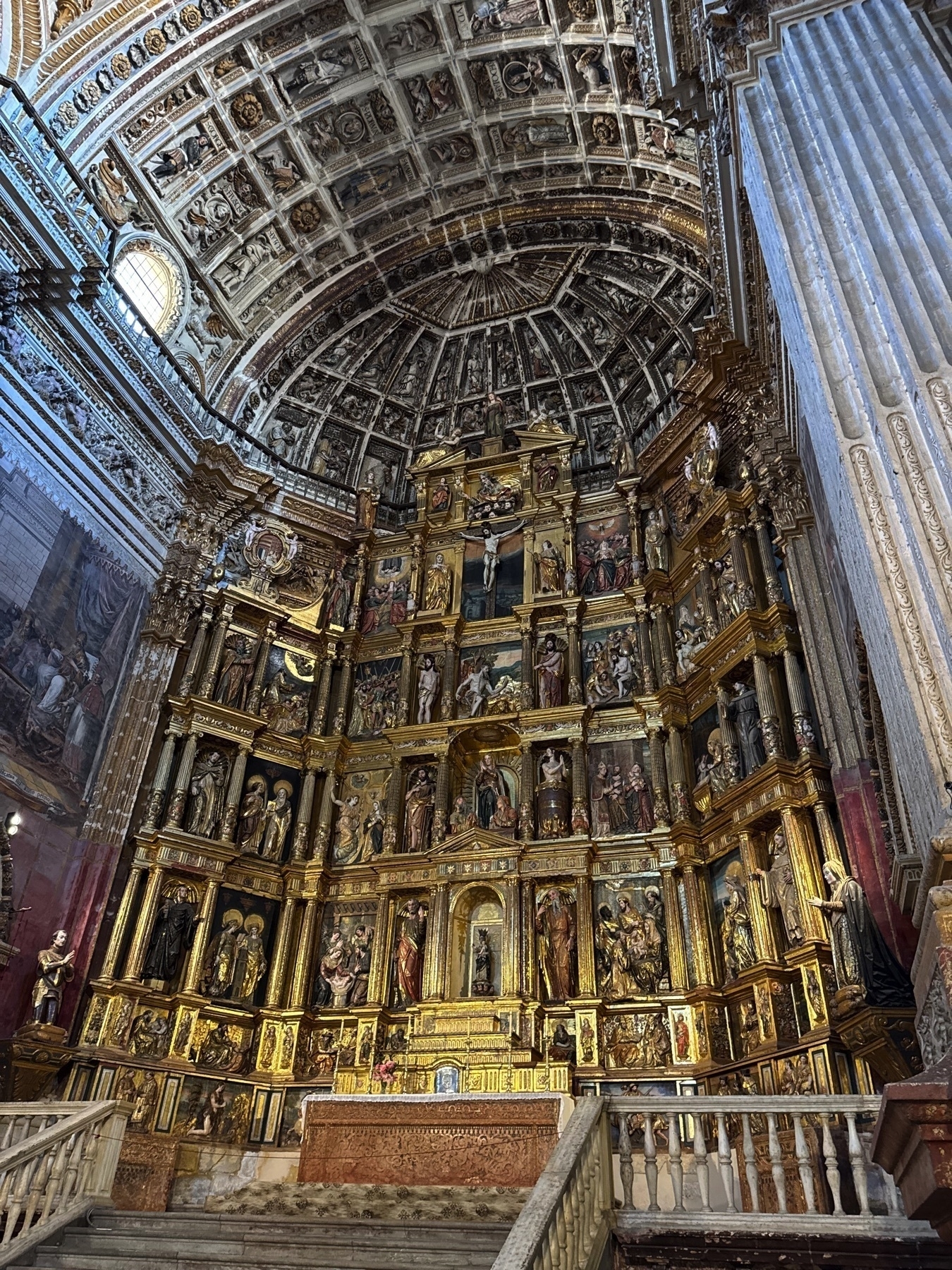
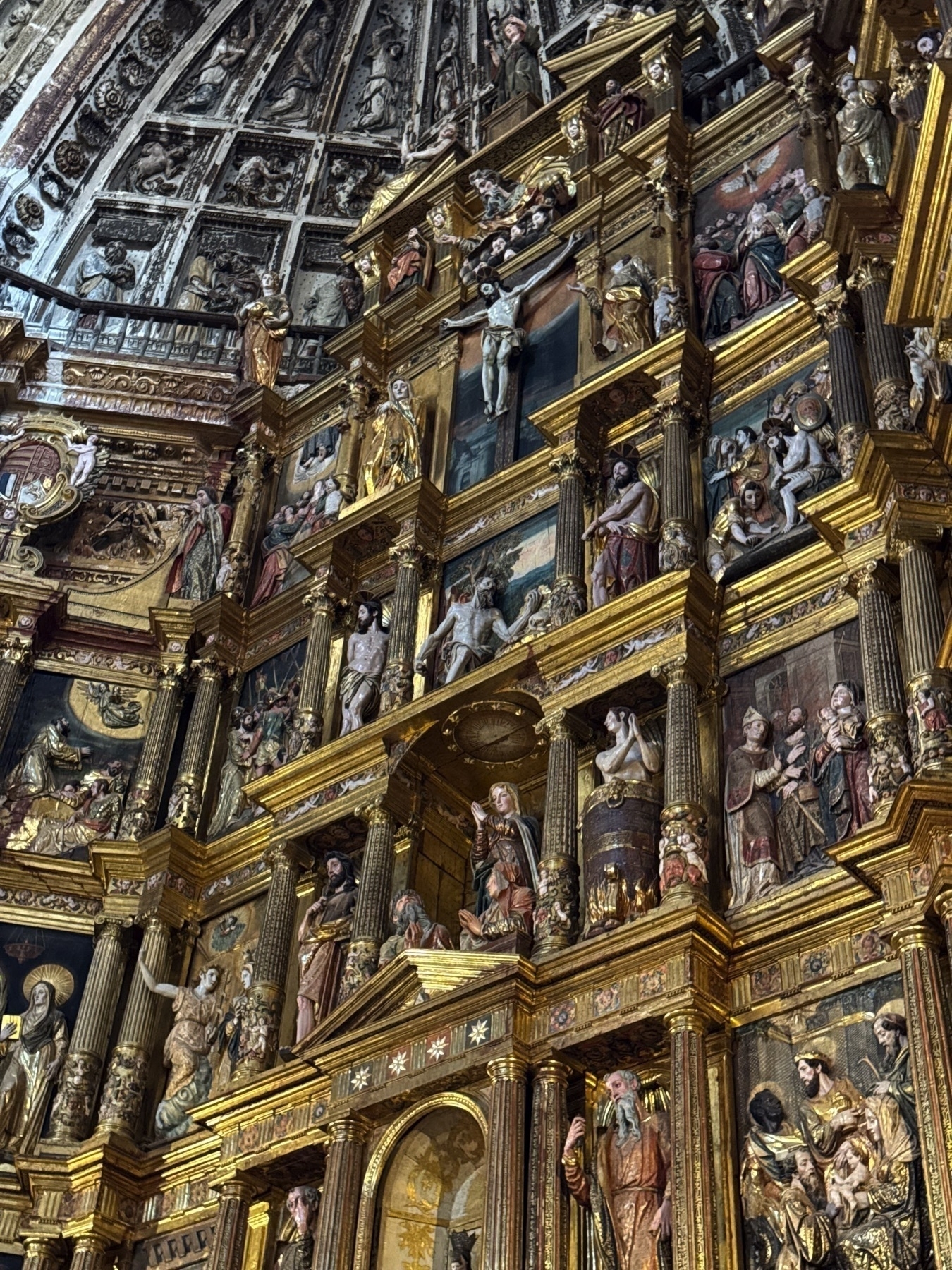
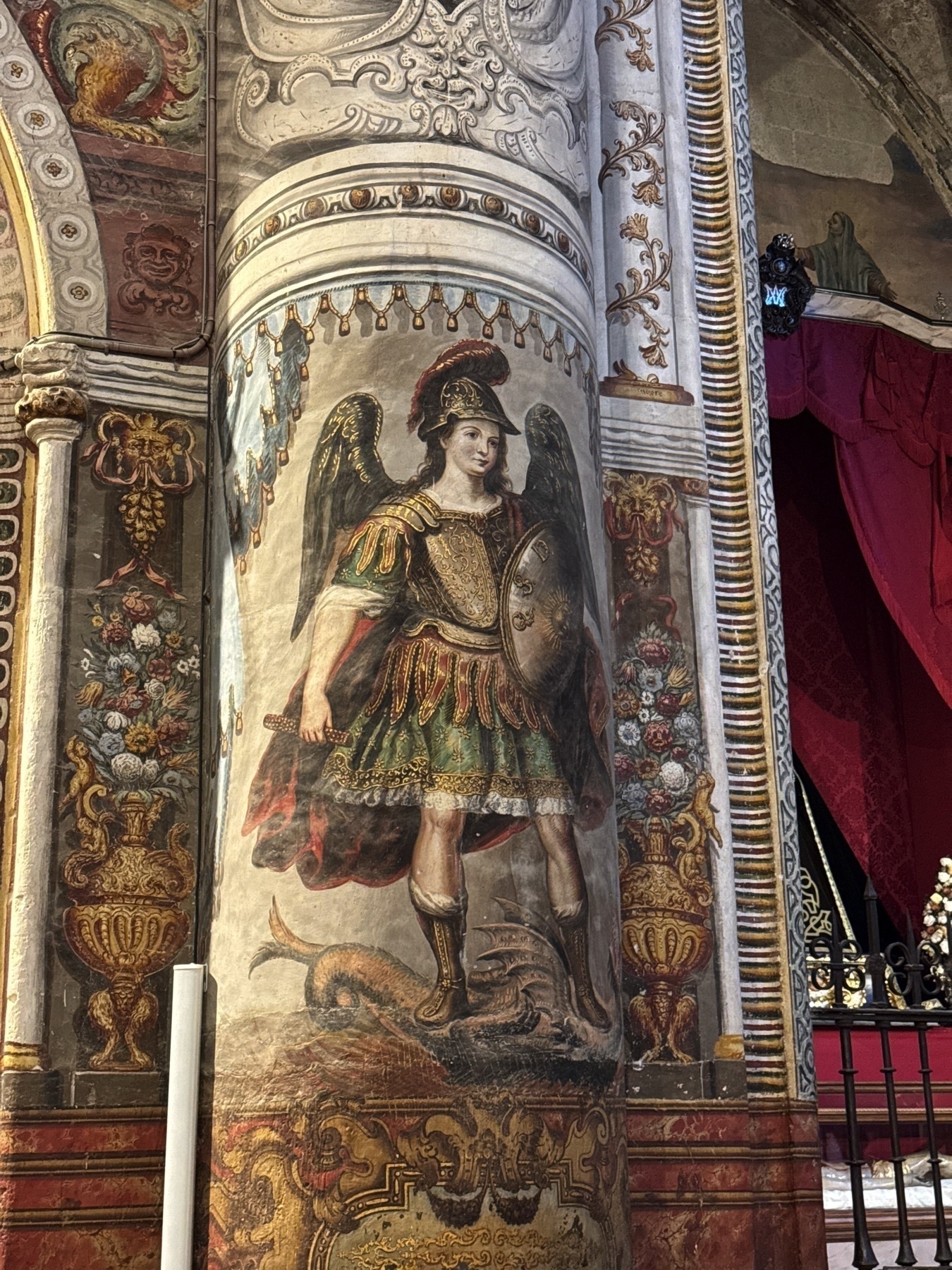
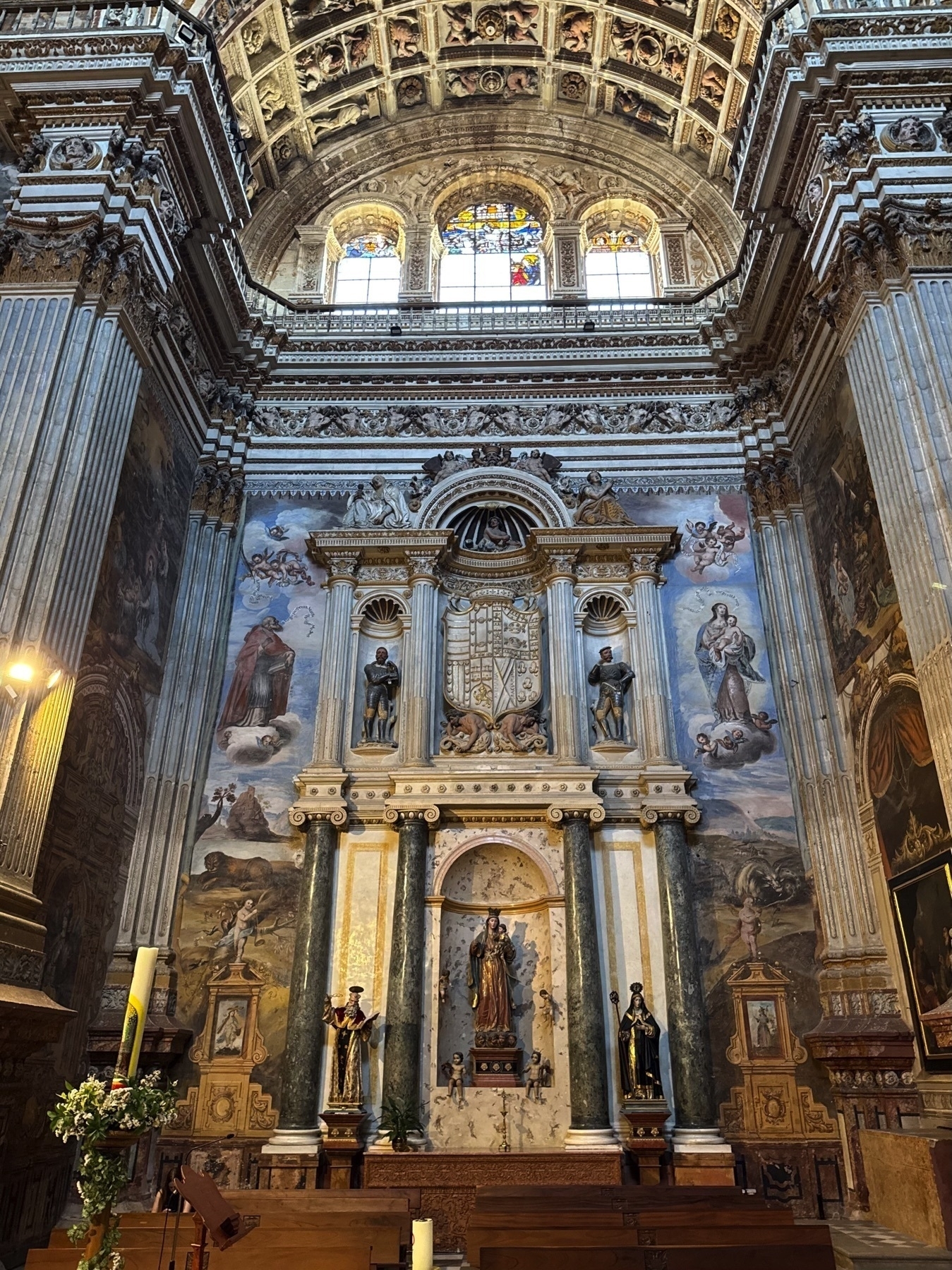
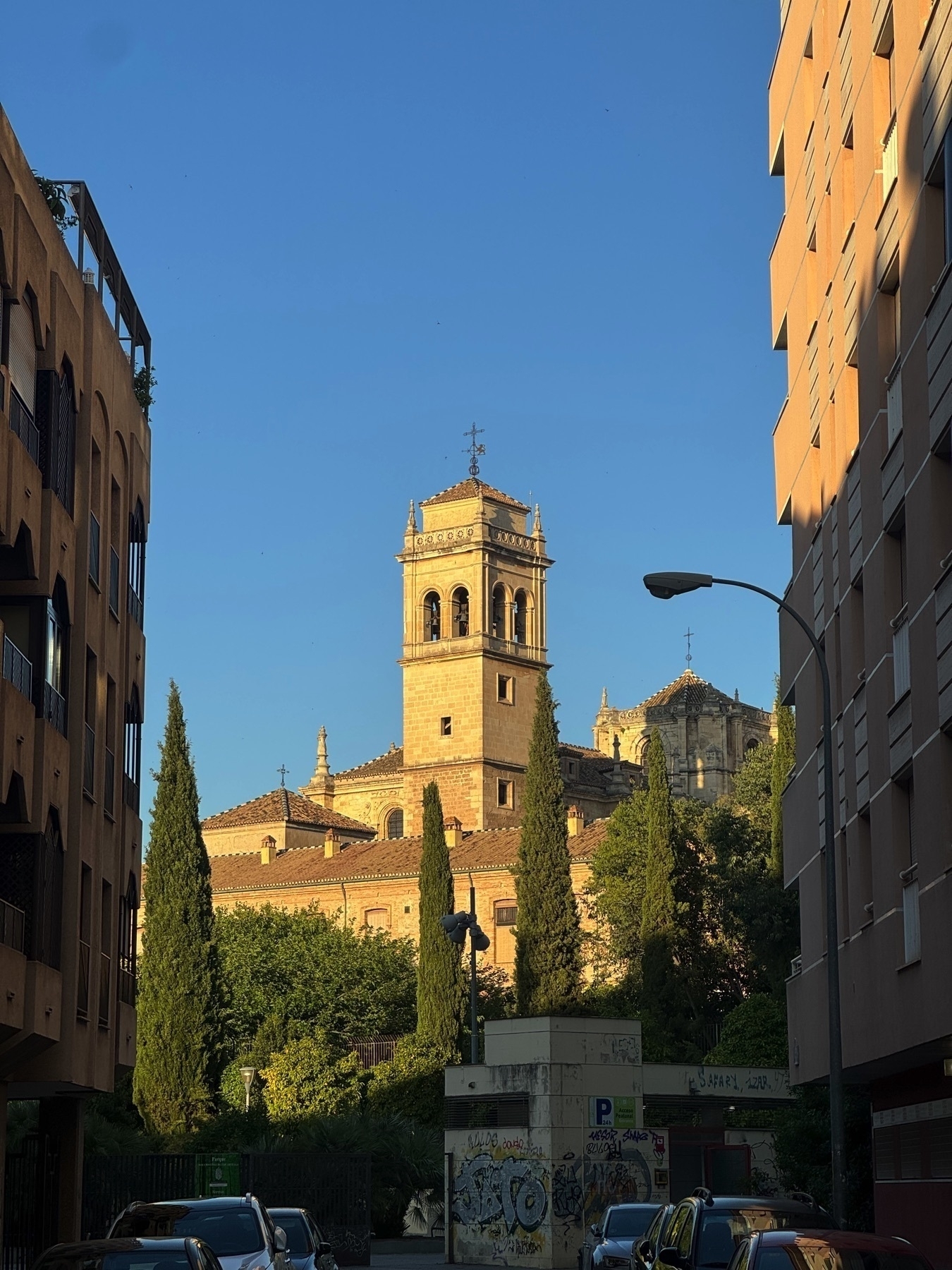
On Monday we went to the Monasterio de San Jerónimo in Granada, a 16th-century monastery that was occupied by Napoleon’s troops during his occupation of Spain in the 19th century. Wild!
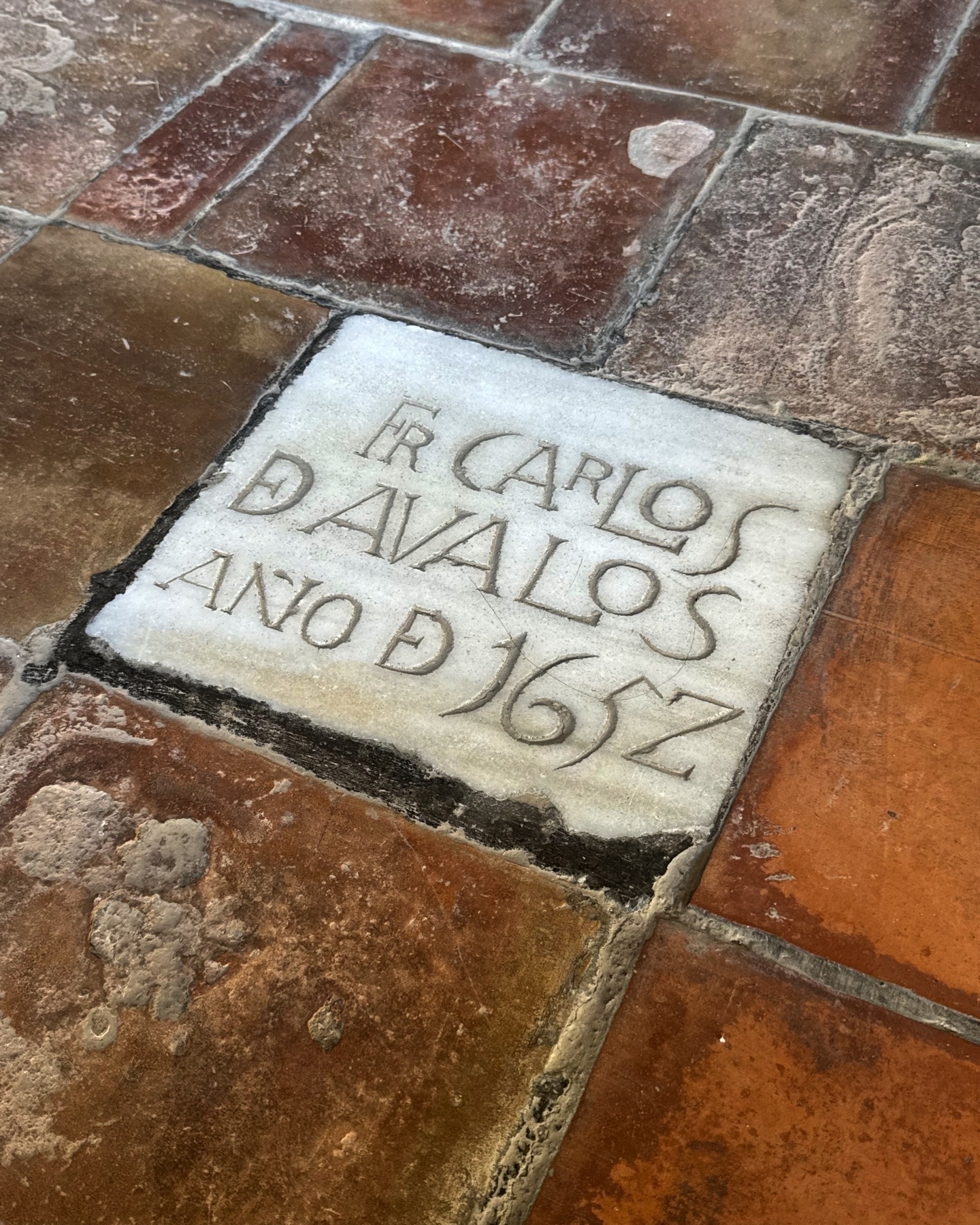
Around the cloister garden, dozens of tombstones marked the graves of monks from centuries ago.